The sale of raw unpasteurized milk is banned in almost half of the United States.
Imported haggis, a traditional Scottish pudding made with sheep’s liver, heart, and lungs, is also banned.
Kinder Surprise chocolate eggs, which hollowed inside contains a small toy, are-- you guessed it-- banned.
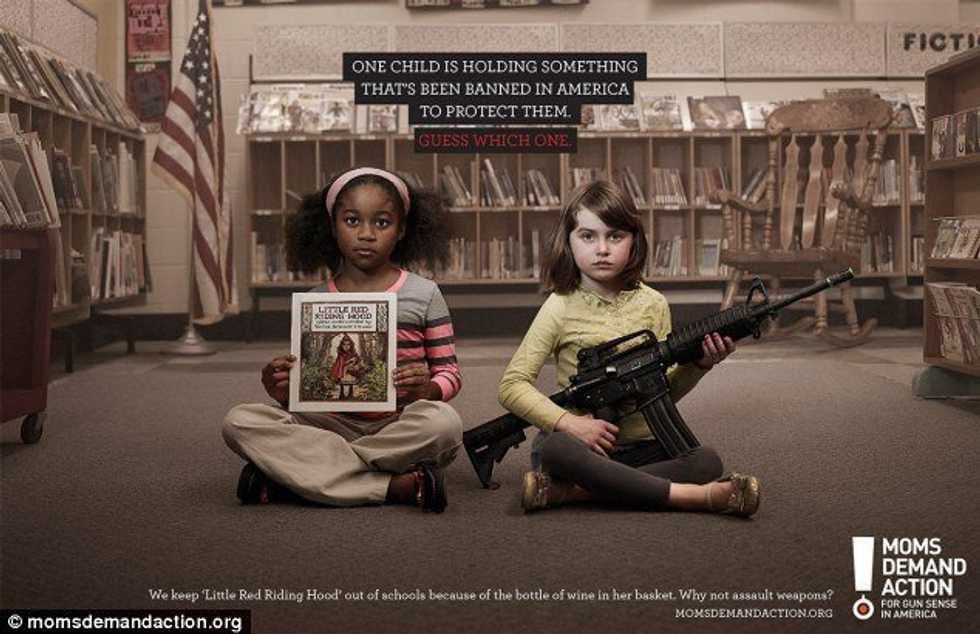
Little Red Riding Hood? Banned by two California school districts because it is written that she was carrying wine in her basket.
And that’s a problem. The first three items are banned because there’s a possibility that they may cause physical harm, and in some cases, even death. The fourth, however, may only cause harm by influencing how people think and act. The misuse of censorship comes into play with people realize the power words have to influence thoughts and expression.
The American Library Association and the American Association of School Administrators defined literary censorship as “the removal, suppression, or restriction of literary, artistic, or educational materials--of images, ideas, and information--on the grounds that these are morally or otherwise objectionable in light of standards applied by the censor.” A literary device can be banned for containing sexually explicit materials, offensive language, or if it is considered to be violent or even goes against cultural norms. The problem with this definition is that what is considered “objectionable” changes from person to person.
According to the Office for Intellectual Freedom, there were almost 6,500 challenges recorded or reported between 1990 and 2000. From those reported, about seventy percent were about materials in schools. In that ten year period, here’s how the challenges an attempt to remove or restrict materials break down:
- 1,607 were challenged to sexually explicit material
- 1,427 were considered to use offensive language
- 1,256 were considered to not be suitable to a certain age group
- 842 involved material with “an occult theme or promoting Satanism”
- 737 were considered to contain material that was violent
- 515 promoted homosexuality
- 419 promoted a specific religious belief or viewpoint
- 317 were challenged to materials containing nudity
As Americans, we have the First Amendment to the United States Constitution to guarantee our freedom of expression. Despite this, however, continued attempts to censor written words or opinions remain constant.
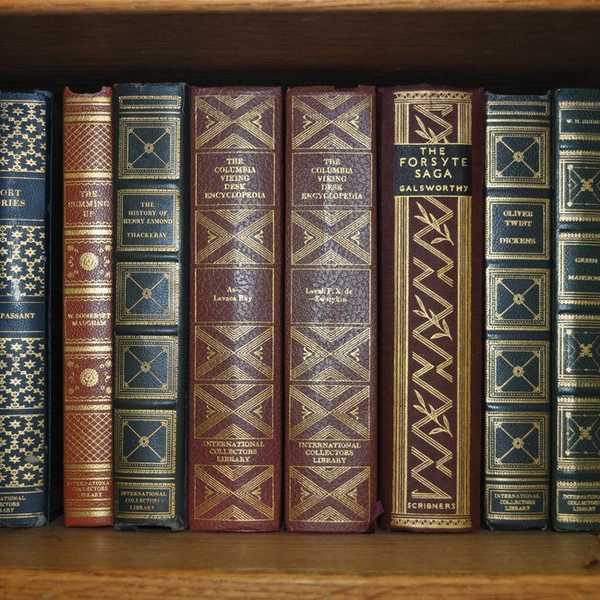
Books especially seem to be a target of this systematic censorship. Mark Twain’s classic, The Adventures of Huckleberry Finn, is frequently challenged for being racially insensitive, oppressive and racist. Jack London’s The Call of the Wild, which I remember thoroughly enjoying at the ripe age of ten, is commonly challenged for its dark tone, bloody violence, and age-inappropriateness. It has even been burned because it was considered too radical. J.D. Salinger’s The Catcher in the Rye has been removed from schools because it is “obscene,” “blasphemous,” “foul,” and even manages to “undermine morality.” Fahrenheit 451 by Ray Bradbury, a book about book-banning, has been challenged several times. Other classics like The Grapes of Wrath by John Steinbeck, The Great Gatsby by F. Scott Fitzgerald, To Kill A Mockingbird by Harper Lee, and Where the Wild Things Are by Maurice Sendak have all had parts of their artistic content challenged.
Books are banned for how they impact the mind. In contrast, society refuses to push for efforts to control guns; something that, especially recently, has had a huge impact on multiple aspects of our lives. And now, through a set of public service announcements, the group Moms Demand Action for Gun Sense in America uses the issue of censorship by comparing banning books and banning guns. Gun control has quickly become one of the biggest issues plaguing the American public. The provocative advertisements were “obviously meant to make a point and create discussion,” according to Shannon Watts, the founder of Moms Demand Action.
For me, the issue is not why people push to ban books but not guns; the two issues are so vastly different that they cannot clearly be staged against each other. The real issue, at least for me, is the inability to see how censorship of literary materials restricts one’s freedom of expression, and in that respect, how we are expected to think and act. And if we’re going to look at the issue of banning books versus banning guns, ask yourself how many books killed someone this year alone.