


It's still a bit hard to believe, but after four years of college I am finally moving out of the university bubble and into the adult world. The world of taxes and insurance. The world of liability and responsibility. The world where seemingly endless mistakes + the difficulty of perfecting the art of the firm-but-not-too-firm interview handshake = one ex-college student curled up on her bed trying desperately to remember why she ever wanted to grow up in the first place.
As you can probably tell, there's a lot about my future that doesn't just make me nervous—it downright petrifies me. But there is one thing that I'm actually quite confident and excited about: my kitchen. I love nothing more than to cook, bake and dance around a kitchen in pajamas and fuzzy socks, so stocking and decorating the kitchen in my future apartment is something I've been looking forward to for a long time now.
Why am I so confident about my kick-ass kitchen furnishing skills? Because I've taken careful mental notes every time I've studied abroad over the past four years. Buenos Aires, Paris, Berlin, Rome, Oxford, Edinburgh—these amazing cities have all shaped my perception of food and taught me some incredibly easy, incredibly useful lessons on how to make your kitchen really stand out.
1. Fresh herbs make all the difference.
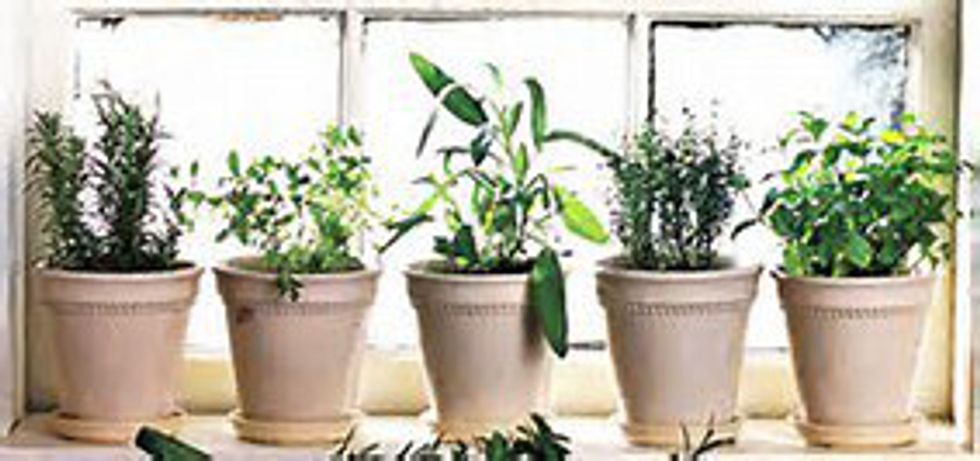
Here in the United States, our grocery store aisles are packed with rows upon rows of little glass bottles, all of them filled with dried herbs and exotic spices. Some of those aromatic little leaves and powders really are best when dried, but others—like basil, thyme, rosemary and oregano—make a dish taste absolutely magical when fresh. This is common knowledge in Italy: everyone has little pots of herbs sitting in their windows or on their windowsills. As long as your kitchen gets a bit of sunshine, you can easily maintain a little herb garden. After that, all you need to do is pinch off a few leaves here and there and suddenly you'll be wowing all your friends with the elevated flavors in your food.
2. No kitchen is complete without wine.

In France, wine is everywhere. Good wine, not the crappy stuff that is all most college students here can afford. Whether you prefer white or red, dry or sweet, having a small bottle or two of a quality wine on hand can make all the difference in your kitchen. You can host wine-pairing parties with your friends, impress a date with your class and culinary refinement, use it to saute vegetables or splash a bit into a bowl full of dark chocolate brownie batter. Even a microwave dinner can be elevated when you pair it with a glass of your favorite Cabernet.
3. Always have tea on hand. Period.

When I was studying at Oxford, I quickly learned that tea was universally accepted as a sort of culinary diplomat. If you wanted to get to know your hall-mates or classmates, you invited them into your room for a cup of tea. If you were invited to your professors' rooms to talk about an essay, you were served tea. If you went to an extracurricular social in hopes of joining a team or club, you would be drinking tea. Tea doesn't have the associated social pressure of a drink at a bar or pub, doesn't have the caffeine content that makes inviting someone to coffee in the evening so difficult and doesn't take so long to consume that the drinker can't leave after five minutes if things get totally awkward. Plus, it's delicious, soothing and incredibly healthy.
4. Don't be afraid to move your dining location.

Every time I walked by a park or river in Paris, I saw people lunching on the grass or sipping wine next to the water. They looked so relaxed, so content, so perfectly chic. I immediately resolved on copying them and brought a sandwich and some wine down to the river the next day. And it was indeed blissful.
Here in the States, we so often rush through meals or down an energy bar while we sprint to the next activity. Parisians, however, have perfected the art of leisurely eating. And that is what the tranquil outdoor picnic helps even the speediest eater to achieve—even if your picnic isn't very long, it will still be infinitely more relaxing and peaceful than your typical meal. What this means for the kitchen: make sure to have plenty of baggies and containers on hand so that you can take your food with you to whatever park, river, lak or meadow strikes your fancy.
5. Make a little bit of lots of different dishes.
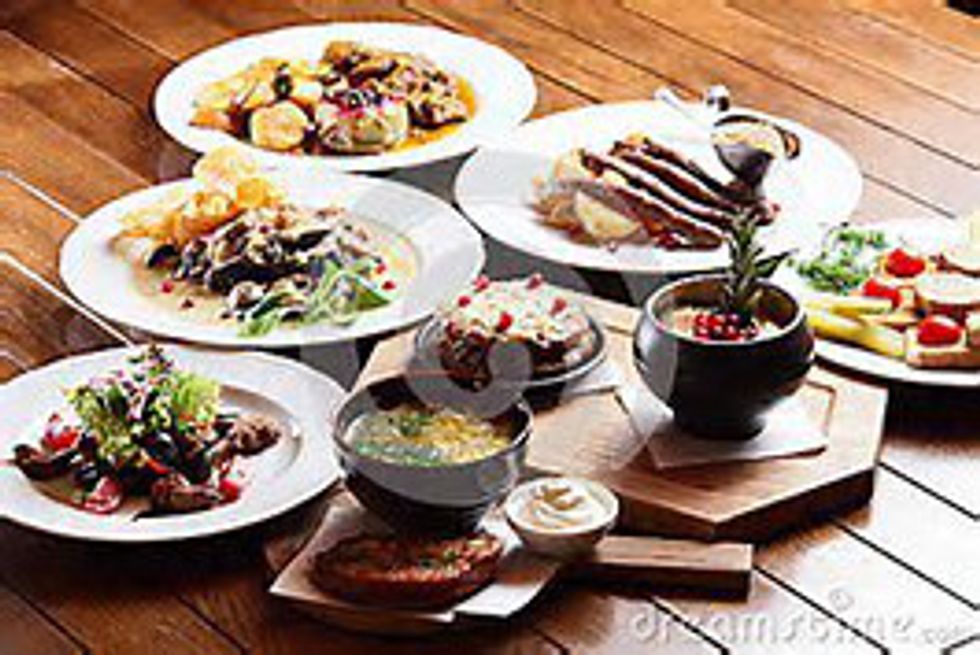
When I was in Germany, I visited some family friends who invited me over for a number of different meals. And whether I came for breakfast, lunch or dinner, I could see one basic principle guiding all their food choices: moderated variety. Breakfast, for example, would consist of three or four different fruits, four or five different pastries and breads and a whole assortment of coffees, teas and juices. But there would only be a little bit of each food: the fruits were all served in small bowls, the drinks in small glasses, and the pastries in a basket just big enough to hold one of each kind.
We Americans have taken the "variety" idea to heart, but we tend to forget the moderation part (buffets, anyone?). It's an easy enough fix, however—instead of buying enormous serving platters and 12-inch dinner plates, look for smaller plates, bowls and trays and set your imagination free as you whip up different recipes to fill each one.