

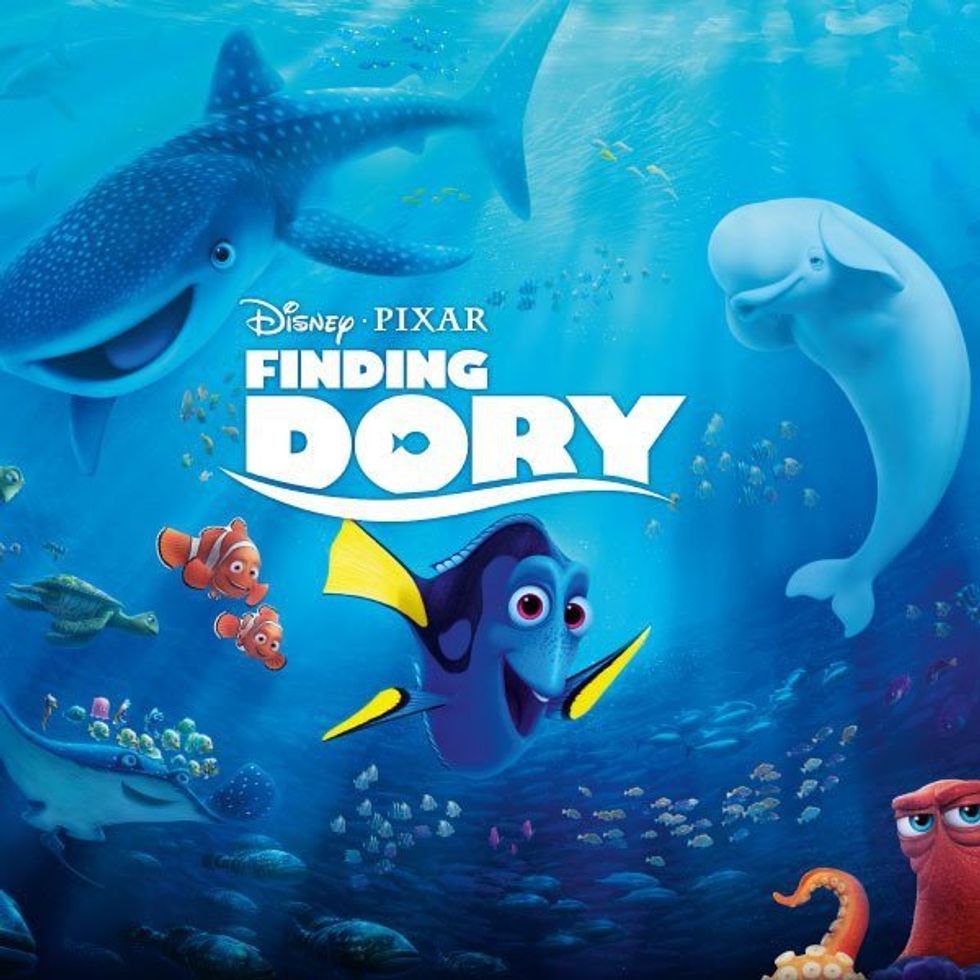
Are you ready to take on a second adventure in the deep blue?� Starring Ellen DeGeneres, Albert Brooks, and Ed O'Neill, the 97-minute, PG-rated movie provides good laughs and an unforgettable �experience.
If you haven't seen the first movie, Finding Nemo, it is a story about Nemo's father, Marlin, who (literally) bumps into Dory after beginning his journey to find his son. Against his wishes, Dory manages to use her humor and kindness to convince Marlin to let her tag along. In the newly-released film Finding Dory, the story-line back tracks to Dory's life as a young fish. Similar to Nemo's experience, Dory finds her adventurous side at fault for separating her from her parents. Importantly, however, Dory suffers from short-term memory loss and thus must heighten her efforts to relocate her family. I won't give away the ending, but let's just say that even at 19 years old, I cried a little.
In addition to the tough circumstances of Dory's situation, the film provides a plot that keeps the audience dying for the movie to end-- and not because it's bad. The movie elicits a sense of urgency that is difficult to handle for an elongated period. You find yourself riding a roller coaster of emotions as Dory comes so close and yet so far from finally reuniting with her parents. She loses progress just as quickly as she makes it, and the back-and-forth is what forces the audience to watch until the end. My favorite part of the film, though, is the message it sends to viewers of all ages: respect and take care of the oceans. It is so important that we care for our Earth, and I think sending that message to a crowd of young children and adults is brilliant.
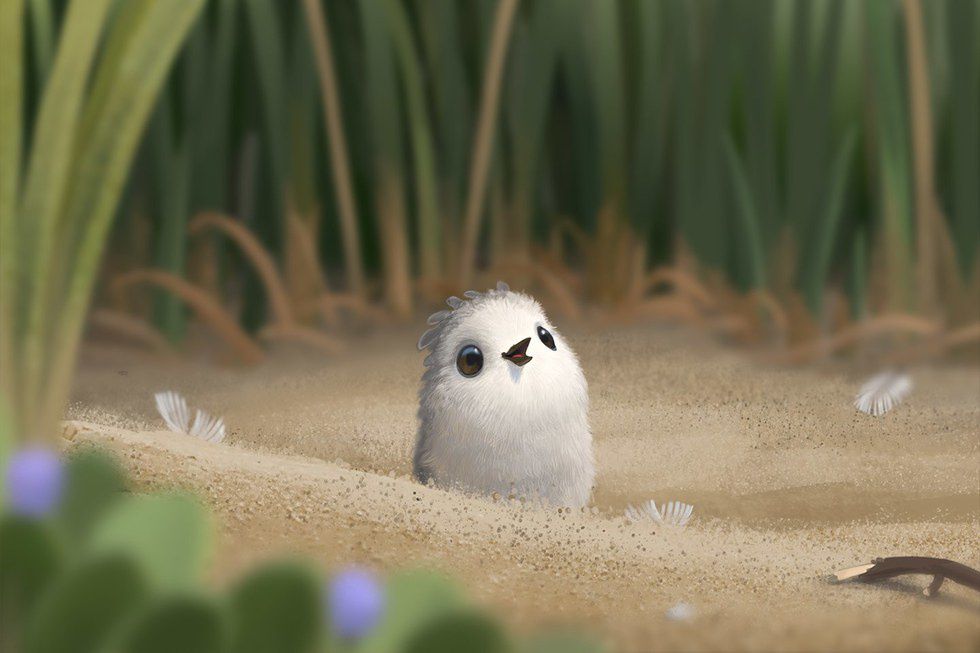
Surely, movies would be boring without their special effects, and Finding Dory is no different. The quality and detail of the illustrations and animations throughout the movie were stunning. They were realistic, articulate, and portrayed the undersea environment in a way that urges viewers to keep it as beautiful as it is. I also noticed that the sound of the fish swimming was constant throughout the movie, which made it that much more life-like. On a final note, I think the part about Finding Dory that resonated with me the most was the use of differences in ability to show that anything is possible. Dory suffers from short-term memory loss; Becky, a loon who helps Marlin and Nemo, is a frazzled, out-to-lunch sort of character with no ability to communicate; and Gerald, a sea lion who is purposely silenced throughout the movie as well, appears to be, well, stupid. Still, each of these characters proves to the audience that despite their different strengths, weaknesses, appearances, and functions, they are still capable of achieving their goals. For Dory, that is simply remembering details such as names and locations; for Becky that is saving the day at the end of the film; and for Gerald, that is finally earning a spot on a rock where the "bullies" of the sea lion world usually reject him. I enjoyed the film and highly recommend it to people of all ages, as there are valuable lessons and messages we can all benefit from.
















