

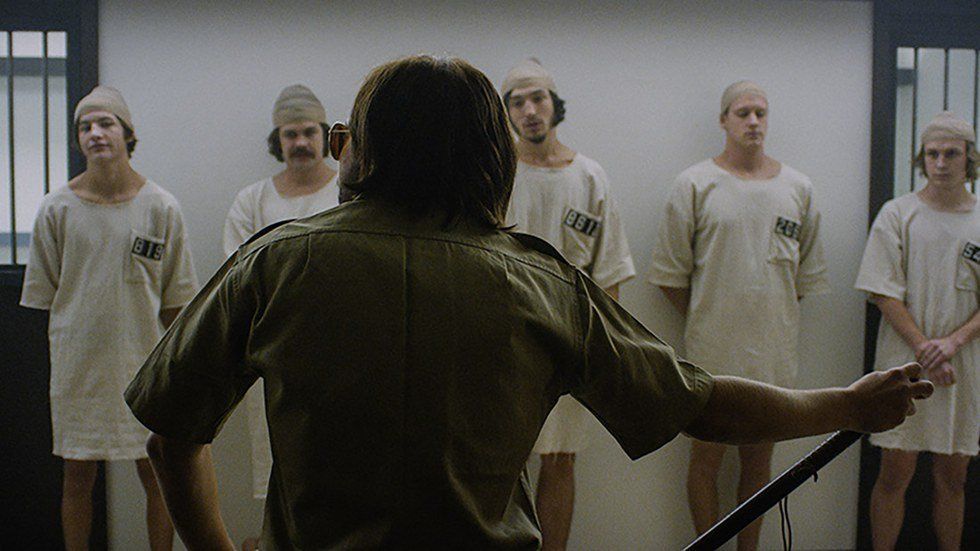
The Stanford Prison Experiment is a story that’s fairly well known amongst older generations. Millennials may not be so acquainted with it, so this film adaptation could be their first encounter with the study.
Dr. Philip Zimbardo, a professor at Stanford University conceived in 1971 an “experiment” that would examine the psychological effects of the prison system. He recruited the help of 24 young men who would act as guards or prisoners, giving them a loose set of rules commonly used in the prison system, but still allowing them to make their own decisions. The study was supposed to last a total of two weeks, but only lasted 6 days due to the intensity of the results he was receiving and mental anguish exhibited by the inmates.
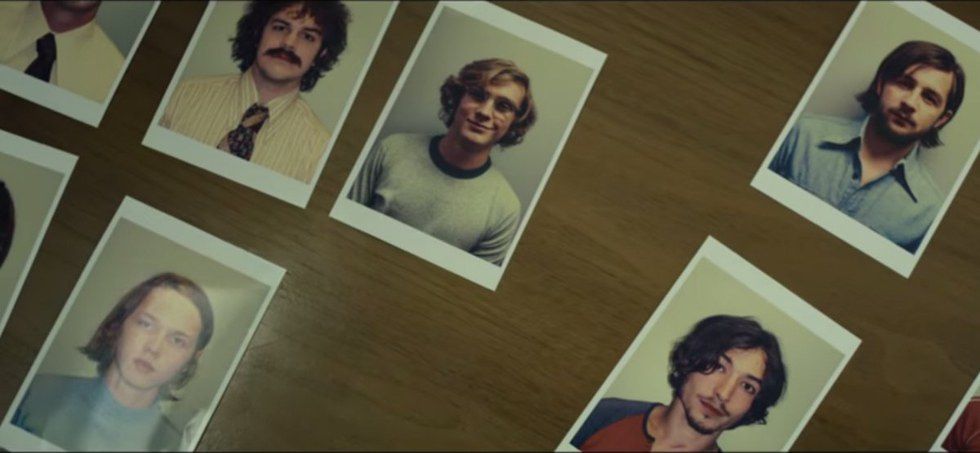
The film directed by Kyle Patrick Alvarez and written by Tim Talbott sticks to the story yet brings the young men who participated in the study to life. One thing I have to say about this film is that the casting was near perfect. Honestly the film consisted of the who’s who of young male Hollywood; all they were missing was Dylan O’ Brien. (Yes, that is Moises Arias from Hannah Montana!!!)
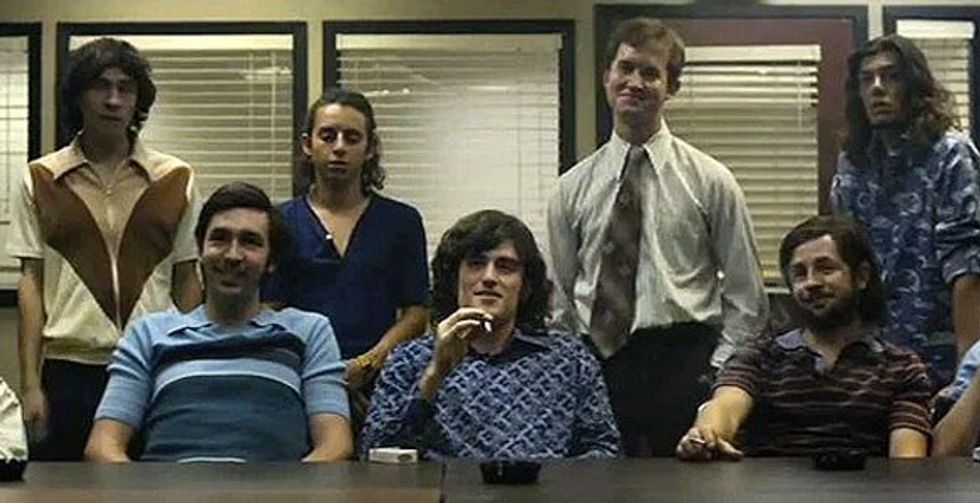
A few characters/actors that were really extraordinary were Michael Angarano who currently is featured on Cinemax’s The Knick, Ezra Miller who’s recently been cast as The Flash, and True Blood alum Nelsan Ellis. The three actors did an amazing job and represented the three different tiers in the prison system: the guard, the prisoner, and the parole board.
In any situation a leader steps forward to take charge and in this situation those three did. Michael from the beginning of the experiment adopted a southern accent and was referred to as John Wayne guy, while Ezra, at first, is destined to overthrow the regime he crumbles after only two days. Nelsan Ellis’ character chooses to draw from his real life experience as a prisoner and the way he was treated by the prison board.
Most of the film takes place in the “prison cells” which are located in a narrow hallway in the basement of a Stanford lecture hall. The small rooms are converted into cells and house three prisoners each. Now the experiment tries to be as close to a real prison as possible. The foods terrible, the inmates are stripped of their individuality by having them wear the same uniform which in this case are burlap dresses. Just like real prisoners the young men must follow the rules of the guards no questions asked, which is where the film finds its real footing.
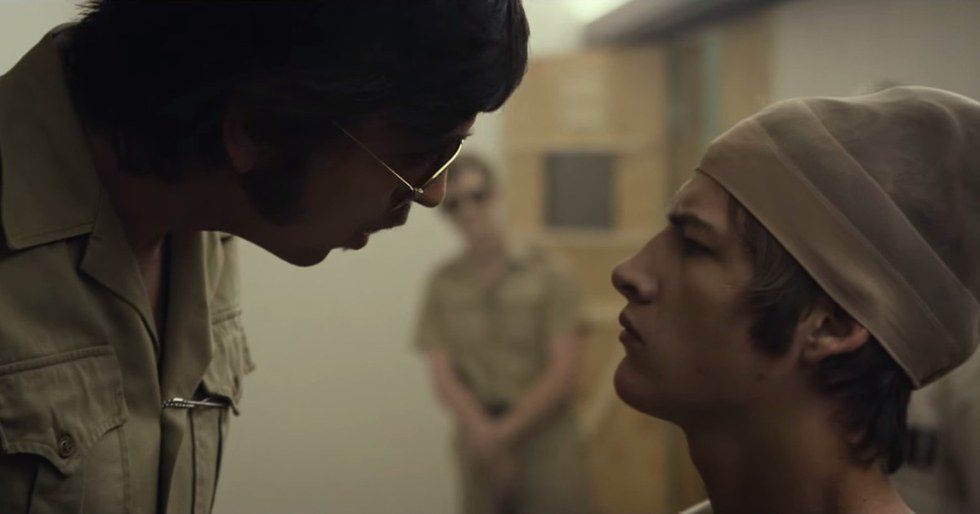
The entire experiment is based on a random divide of prisoners and guards. At first it’s shown that many choose to be prisoners because no one likes authority or having to be placed in that position. Yet when the young men who are guards realize they can do basically whatever they want to the prisoners they start to have fun. The film is spread out over the six days of the experiment, though the first three days seem to be examined much more than the last three.
When all was said and done and Dr. Zimbardo decides to completely end the experiment as it’s taken a toll on himself almost as much as the prisoners, Michael Angarano breaks his John Wayne character and asks about their pay bringing them all screeching into the light that none of it was real. The final minutes of the film consists of simulated interviews between the prisoners and guards in which Michael’s character reveals his disturbance over the fact that no one tried to stop him or oppose his treatment of the prisoners allowing things to become more and more ridiculous and absurd yet no one objected.
Alvarez completely succeeded in replicating the experiment and it seems the story is told straight on. Being an indie film the budget was quite low which in this case didn’t matter as the experiment itself was conducted on a shoe string budget. In regards to Talbot though the film seemed to lack momentum halfway through the film. Now that can be an accurate depiction of the experiment itself as after six days of “fighting the system” the prisoners, guards, Dr. Zimbardo and his team seemed to be a bit over it.
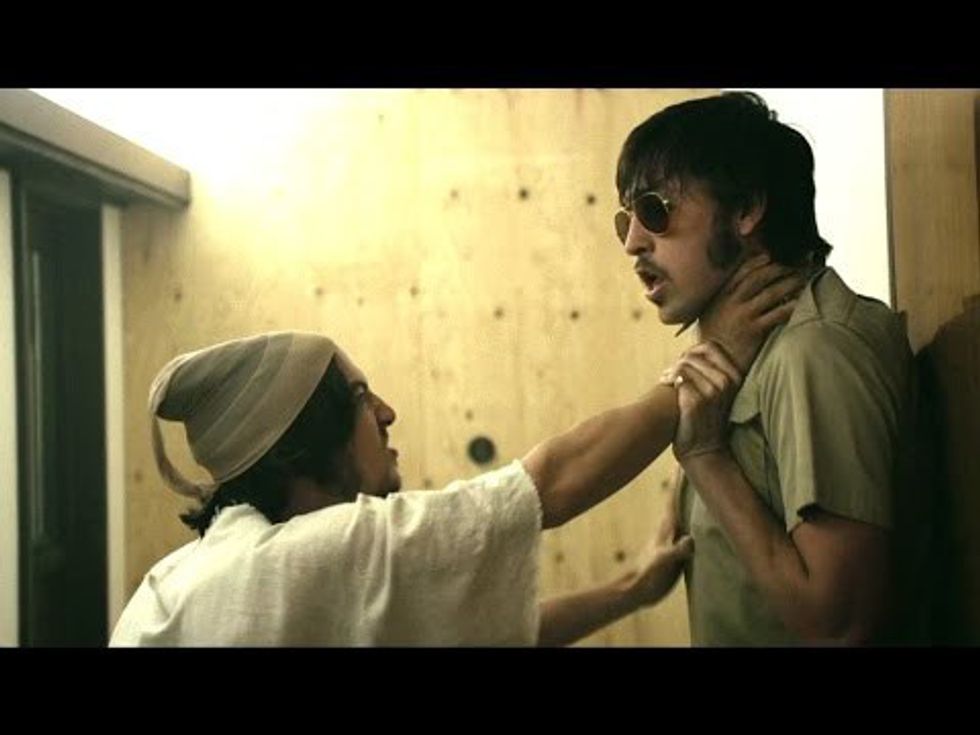
Most of the characters in the film were clearly on a bit of a power high, but what was truly disturbing is how quickly many of the inmates cracked under just two days of pressure. Ezra appeared to be a strong voice within the prisoners, yet he was the first to fall. What this film really shows is how taking away someones basic human rights and need for individualism not only sends rational people off the deep, but gives the oppressor or antagonist the incentive to abuse their power.