
As summer begins and I delve into the books I've been meaning to read and the movies and series on Netflix I've put on my "To Watch" list, I'm struck by the repeated use of archaic gender stereotypes that many female characters embody. Many of these portrayals aren't flattering or accurate, and I'm enraged by how popular these characters are. So here is a list of some of the worst archetypes I've encountered so far.
1. The Dumb Babe
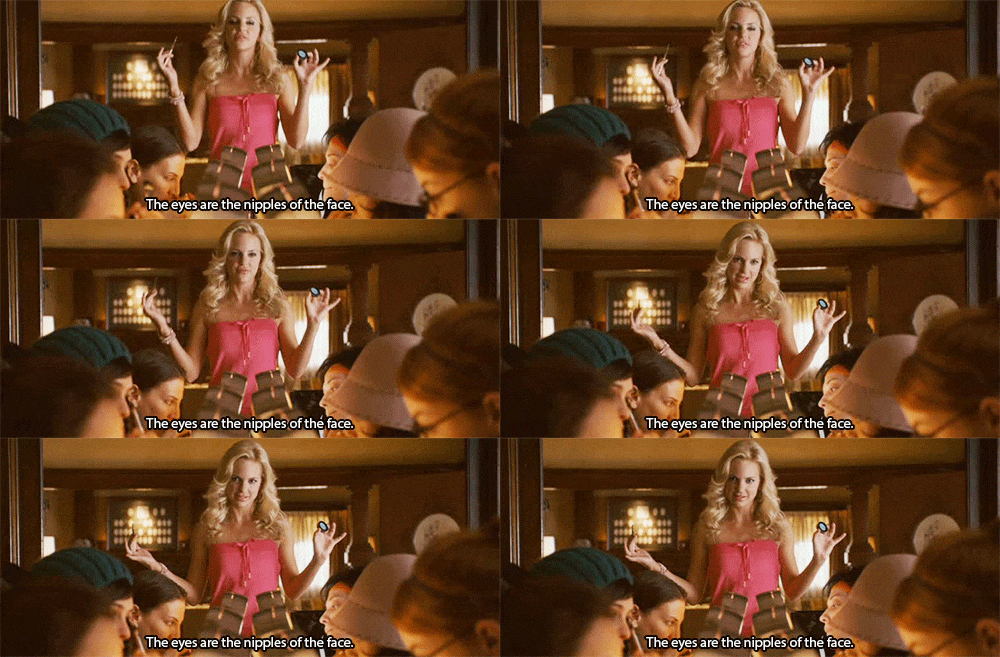
Smoking hot with a brain the size of a pea, this character reaffirms the stereotype that beautiful (and blonde) women are airheads that are incapable of being anything beyond hot. This character leaves audiences with the impression that women can't be both beautiful and smart, and allows the individuals who buy into this stereotype to discredit good looking women as "eye candy" rather than equals.
2. The Shy, Quiet Girl Who Needs a Man to Bring Her Out of Her Shell
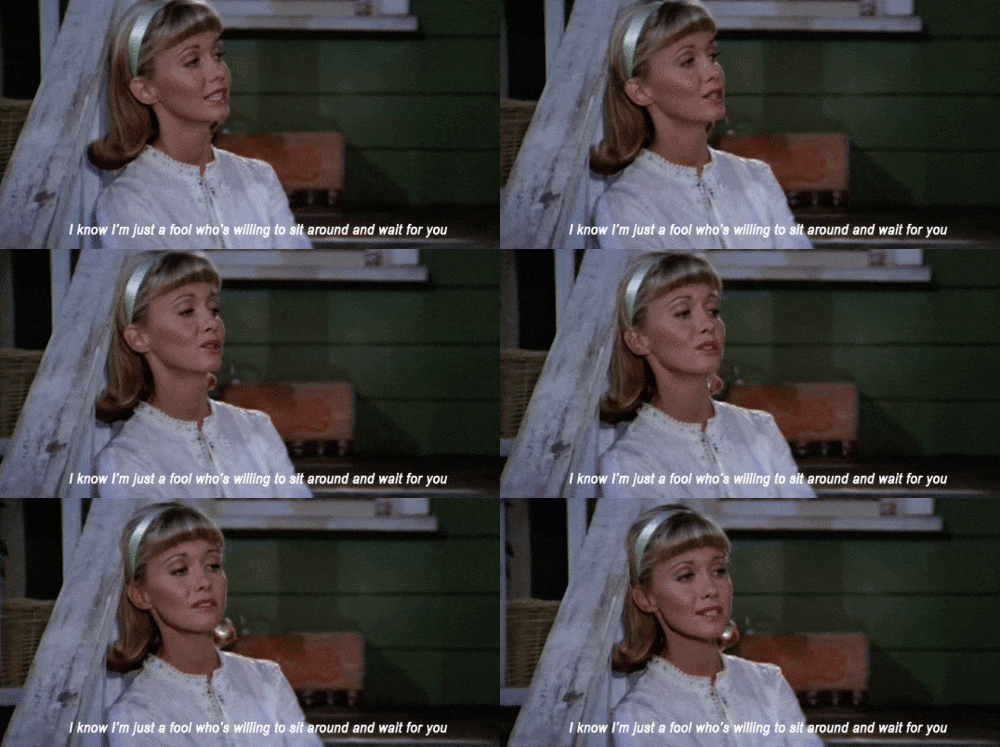
As much as I love the movie Grease, Sandy is cast as an innocent, pining flower that needed Danny's attention to bloom. Characters like Sandy thrive on the attention of a male character, and become more confident and desirable as a result of their relationship. This type of character also promotes the idea that being a virgin is considered more desirable than being a sexually empowered woman - as demonstrated by the way that Rizzo is cast as an almost trashy, vengeful bad girl. No woman should feel reliant on the way a man perceives her to feel confident in her own skin.
3. The Mean Girl

Regina George. The quintessential mean girl of our time. Filled with vanity and overflowing with cruelty, this character goes out of her way to torture her female peers. She perpetuates the thought that women have to tear each other down and belittle one another in order to climb their way up the social ladder.
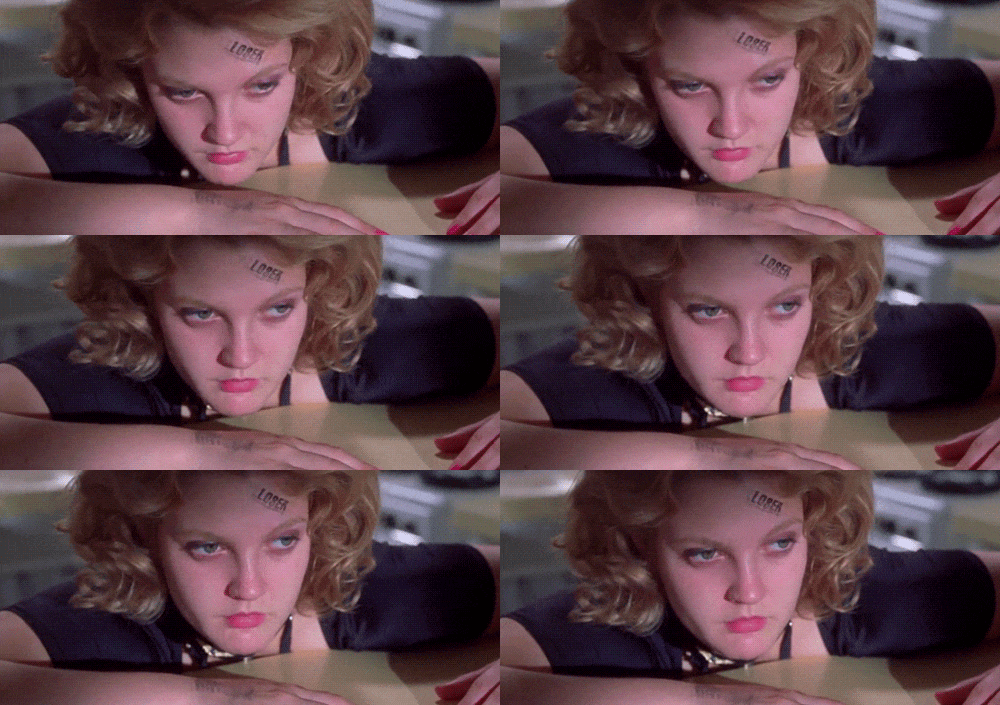
4. Desperate for Popularity Girl
 This
This
This is a girl obsessed with becoming popular - of doing anything it takes to achieve this coveted status in the social pyramid. She’ll get rid of her true friends, set aside her dignity, and act cruel just to be ‘relevant’ in the eyes of her peers. She willingly hands over her power to her classmates, making her dependent on the opinions of others to feel like she is someone worth caring about. Characters like her look to the attention of their peers to determine their self worth rather than loving themselves for who they are.
6. Intelligent Sidekick