How far will we go for fur? This, with or without the PETA stimulation, was the singular argument of ethics rotating around fashion. Critics of fashion, not to be confused with fashion critics, now identify many cracks in the foundation of production and marketing that are fatal to not just the mass-consumers but also to humanity; the lack of sustainability and model misrepresentation.
Fast-fashion has been an astronomical invasion in our lives; it is where new styles are produced weekly to fuel mass-consumers hunger for materials. Factory conditions in foreign territory are entirely misguided, where basic human rights are abandoned. Workers are born into poverty, meaning their profession causes their own fatalities. Sewing, one of the oldest crafts, is being replaced by dangerous machinery in poorly-built locations with no discretion for cleanliness.
Not to be disregarded is the escalation of garment manufacturing done within the U.S. Most sweatshop workers are undocumented, endure violence, receive lower wages, and lack employee benefits. The inexpensive cost of these quick turn-over goods means that they're made with easily tarnishable fabrics, which cause consumers to designate them as waste not long after purchase. We dispose of them and donate them, but eventually, used fabrics congregate in a landfill, which is waste rotting the environment.
If you don't believe this issue to be pressing, allow for The True Cost, now viewing on Netflix, to sway your opinion. The documentary places a spotlight on the Rana Plaza collapse in Bangladesh. Overall, this abuse is cyclical and is in existence because scaling up production and pushing it out to retailers is the way to make a profit, despite the international trade deficit.
From influencing the environment to influencing cultural values, fashion always manages to control aspects ranging from the biophysical world to our individualistic desires. To be noted, fashion always manages to address what matters most; everything on the outside.
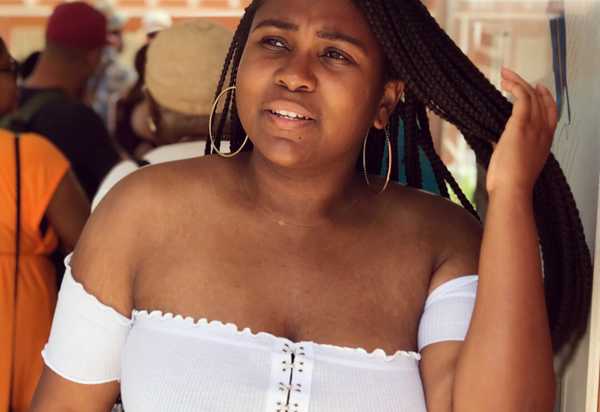
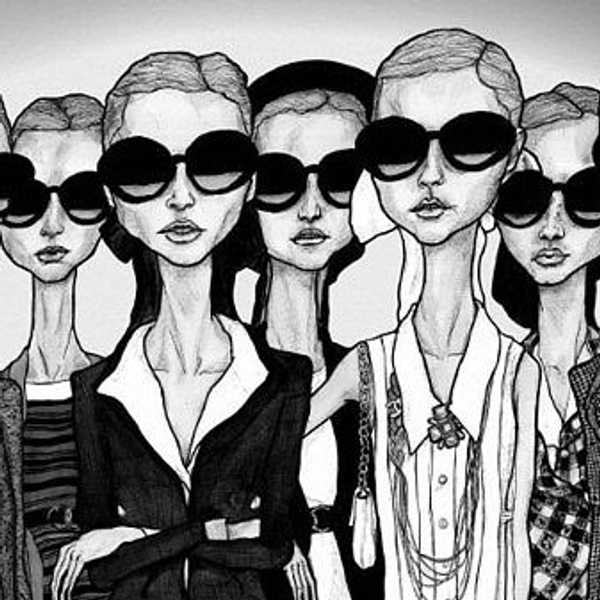
Model misrepresentation can be filtered into the issues of a malnourished body weight and the lack of racial diversity. Both issues are intentionally unrepresentative and inclusive for most of the population.The discrimination high fashion gives to the concept of plus-size is unjust; from ready-to-wear to haute couture, an established fashion house does not put garment larger than a sample size down the runway. There is an immediate connotation that comes with the idea of body regulations; the bad and the ugly. Need a testimony? WhoWhatWear interviewed a retired model on the truths of pursuing this career, that "...the modeling industry is incredibly bizarre. People are so desensitized to the wildest things. It’s so crazy [to me] that it’s glamorized.Diversity, on the other hand, has long been fought for and has been slow to be implemented, yet that doesn't mean it has been neglected in this industry. The digital era makes us more globalized, and fashion at its highest level is an incredibly global market, so things are beginning to look up. In order to appeal to buyers, some minute measures (but measures nonetheless) have been taken. And no, I'm not talking about Dolce & Gabbana's novelty line of hijabs and abayas debuted.
A noteworthy example would be Balmain's Creative Director Oliver Rousteing, who has been breaking boundaries in his choice to diversify the women featured in both his ads and his shows. As one of the youngest to hold such a high position, Rousteing brings a fresh perspective and has proved himself to be a major authority by his own personal background. "I didn't know where I [came] from, and I still don't know," Rousteing confided to CNN Style. "With fashion, I could identify myself to something."
The audience is in support, the consumers are in support, and models such as Jourdan Dunn, Naomi Campbell, and Iman are speaking out about the Catch 22, where agencies hold back models of color, and when a designer casts them, they are restricted to be exclusive to that client. A devotee to implementing impartial judgment in casting is none other than the CFDA Founders winner in 2014, Bethann Hardison, who founded the Diversity Coalition.
More voices like Hardison's should be heard, since 80 percent of models who walked in all four major city's fashion weeks in Fall/Winter 2015 were white, and 2.7 percent of the 260 shows scheduled were by African-American designers. It's biased for the Western consumer to be catered to because only New York, Paris, London, and Milan are widely recognized. Alternative ideas of beauty are neglected in print as well, where under 20 percent of fashion magazine covers in the year 2015 featured models of color.
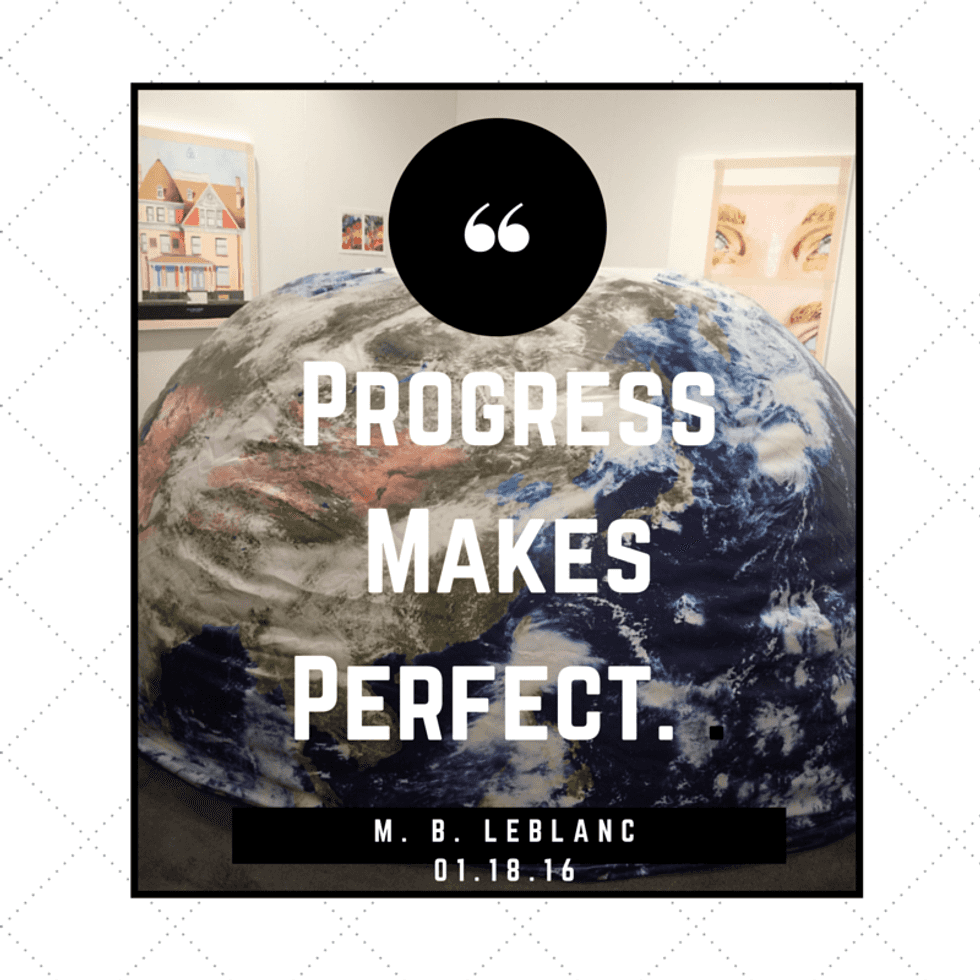
It is mildly disappointing that we find it groundbreaking for women with their natural hair, fuller body shapes, and skin colors of all varieties to be shown, or to have Paris climate talks and nature-inspired collections make Vogue publish a call-to-action requesting "incremental adaptation" due to the pollution of fibers, yet the industry has got to start somewhere. It seems as though a more radical approach is in demand, and progress makes perfect.