Everybody needs a kick of existentialism once in a while to get them thinking and spur them into action. We all go through a whirlwind of emotions, anxieties and joys throughout the year, existentialist thoughts explore the very core of our inner most worries and desires. What better way to start the year than to analyze and tackle the pertinent questions on life? Two existentialist thinkers, in particular, Jean-Paul Sartre and Albert Camus, may give us all a helping hand as we reflect on our goals in the coming year.
Take responsibility for your actions.
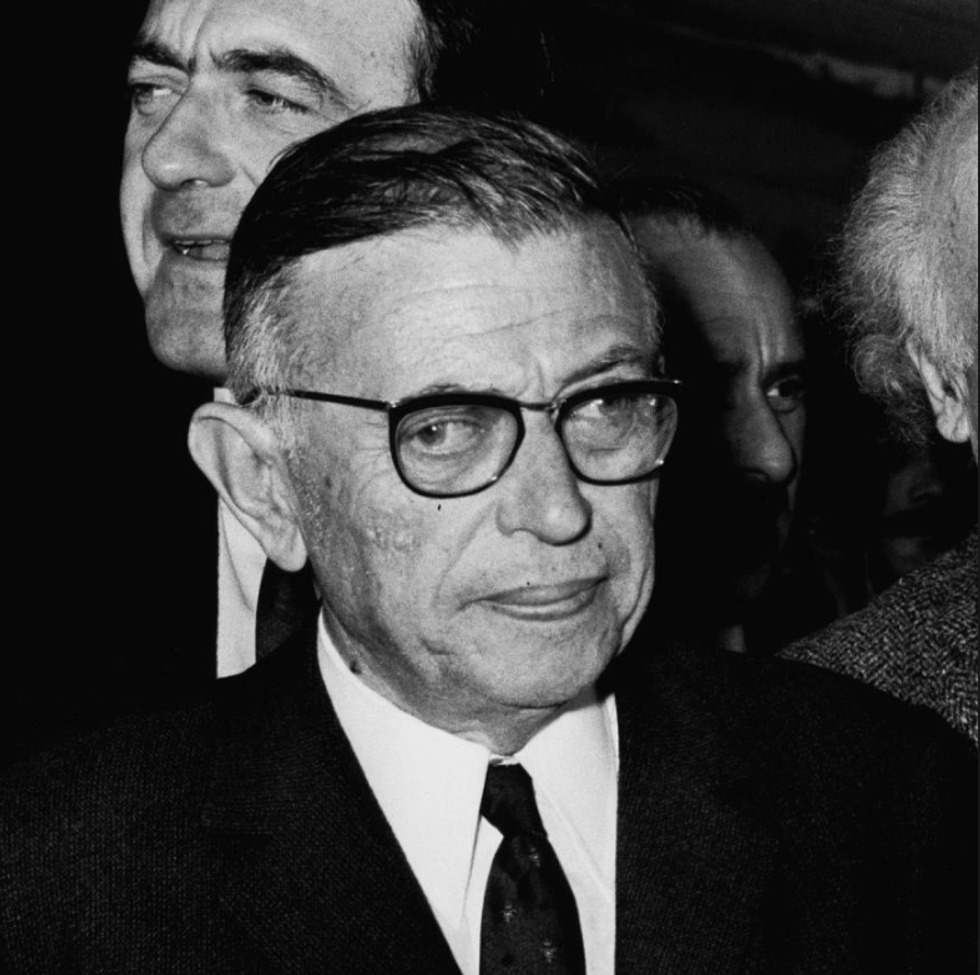
“Don’t live in bad faith this new year!” one of the leading figures in French philosophy in the 20th century, Jean-Paul Sartre, would probably exclaim. But what does “bad faith” mean? Often times we lean on circumstances as an explanation for why we do what we do and why we are who we are. The flourishing of scientific discovery can make us feel as though we live in a mechanistic universe where everything can be explained by cause and effect. To live in a state of “bad faith” is to succumb to these external explanations, to identify ourselves with the facts of our lives rather than our own actions. So in short, “bad faith” is a refusal to take responsibility for ourselves. Sartre reminds us that despite what happens, we can decide how we react to the facts of our lives and what is thrust upon us. The existentialist tells us that we have ‘no excuses’, the responsibility is solely our own. But simply ‘reacting’ to negative events, that lie beyond our control, in a positive way may seem oversimplified. It’s not that easy to go through rough periods smiling, our inner worlds are more complex, full of emotions and anxieties.

However, from time to time we are in need of a harsh reminder; some power ought to be attributed to ourselves. The agency to take action is always within reach, be it through physical action or even a slight a change of perspective. Sartre proposes that our ‘self’, is constantly forming. ‘Self’ is always in the future, determined by the action we take today. You may have all sorts of ideas about yourself, about who you want to be and what you want to achieve but these notions can only manifest in action. So this new year I can imagine that Sartre would urge us to consider what kind of ‘self’ we want to form in the coming year through the action we take.
Choose a good routine.
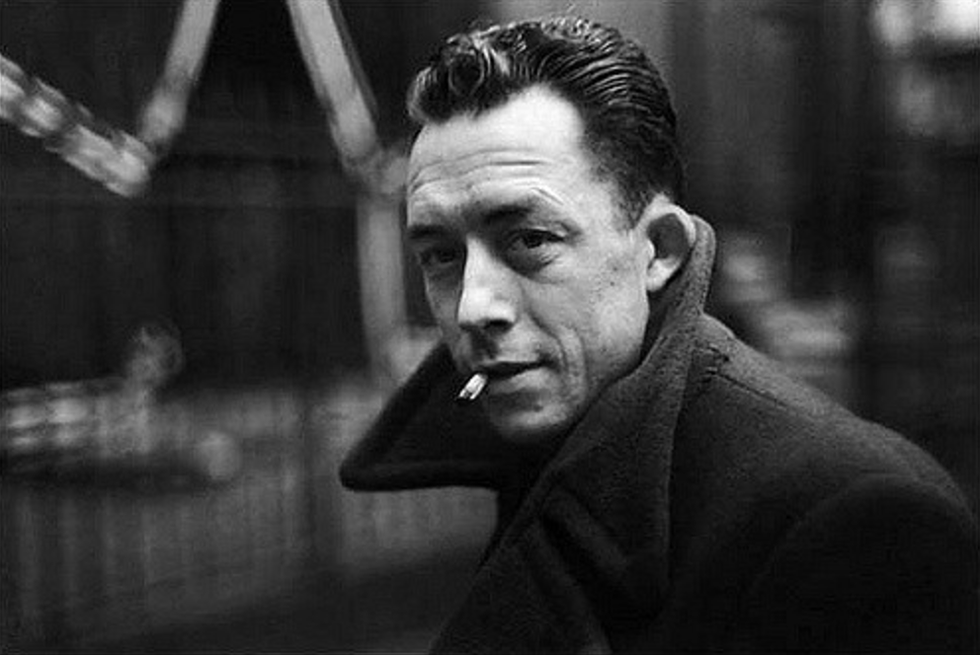
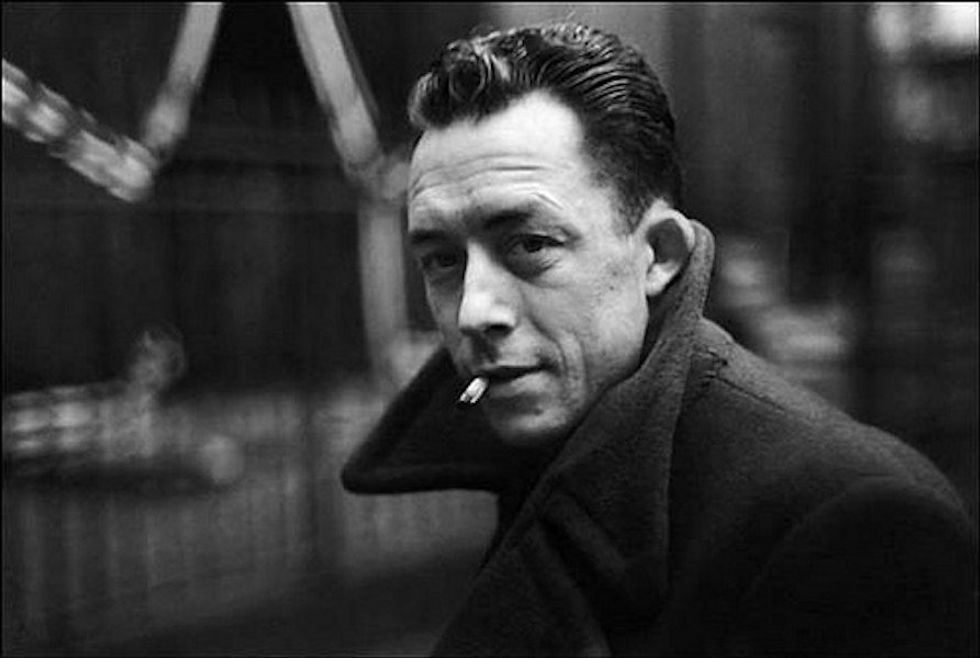
“There is only one really serious philosophical question, and that is suicide”, states Albert Camus in his essay Myth of Sisyphus. A very depressing thought for the new year ahead, but nonetheless, one that can inspire some interesting reflection. In highlighting the importance of this question, Camus asks us “why live at all?”. When you zoom out of your day to day life and look at the big picture, a bleak image arises. Life laid out on a plate looks like a repetitive cycle of routines. You wake up you go to school, you come back home, and the cycle repeats. You wake up to go to work and the cycle repeats, and a year goes by. Camus comes to the conclusion that life has no inherent meaning. You may agree or disagree. People find meaning in life in diverse ways but what most would agree on is that life is made up of habits and routines, the point of agreement or disagreement on Camus’ proposal is whether or not the routine of life is directed towards a particular end goal or if it there is no goal at all.

Regardless of the answer, one might come up in relation to life’s meaning, recognizing its routine nature is distressing. But rather than despair over how unexciting routines are, we should focus on what kinds of routines we want to foster. To escape the misery of seeing life as an empty cycle, Camus proposes we throw ourselves into the motions of our routines. In his essay, Camus recounts the tale of Sisyphus who was punished by rolling a rock up a hill and watching it role down eternally. According to Camus, we are all Sisyphus going through life in a repetitive cycle. However, life is no punishment as he imagines “Sisyphus is happy”. Our daily habits and routinely actions can give us a sense of real joy; your routine may consist of regularly connecting with close friends, doing work you enjoy and helping others. So this new year, Camus would likely insist you choose the rock that represents your routines and habits carefully, reflecting on how they give your life value.