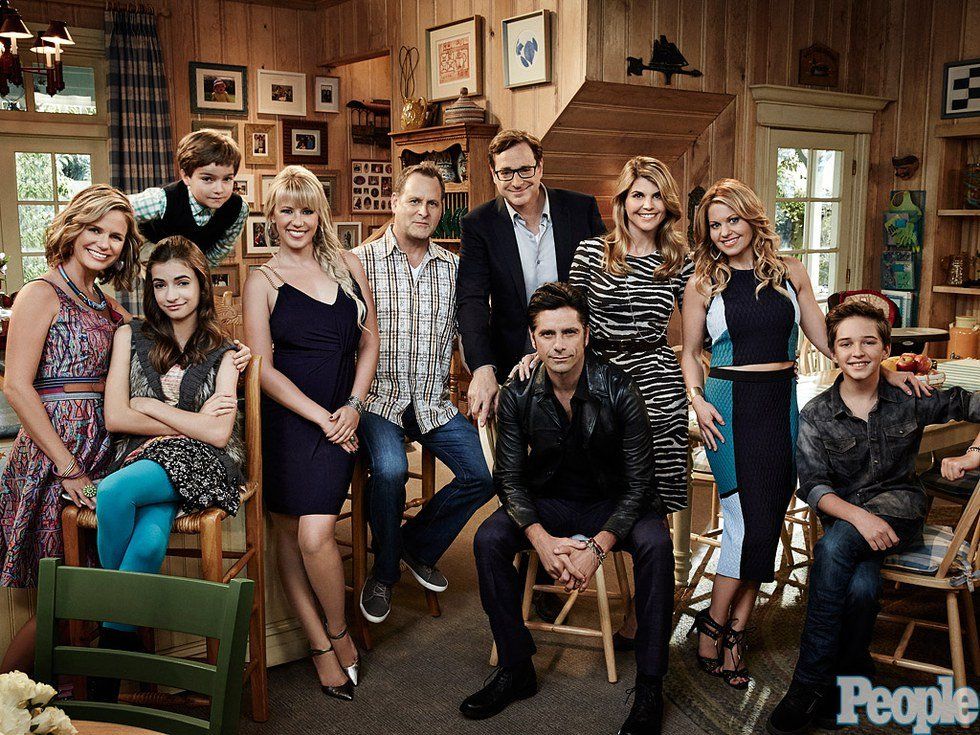
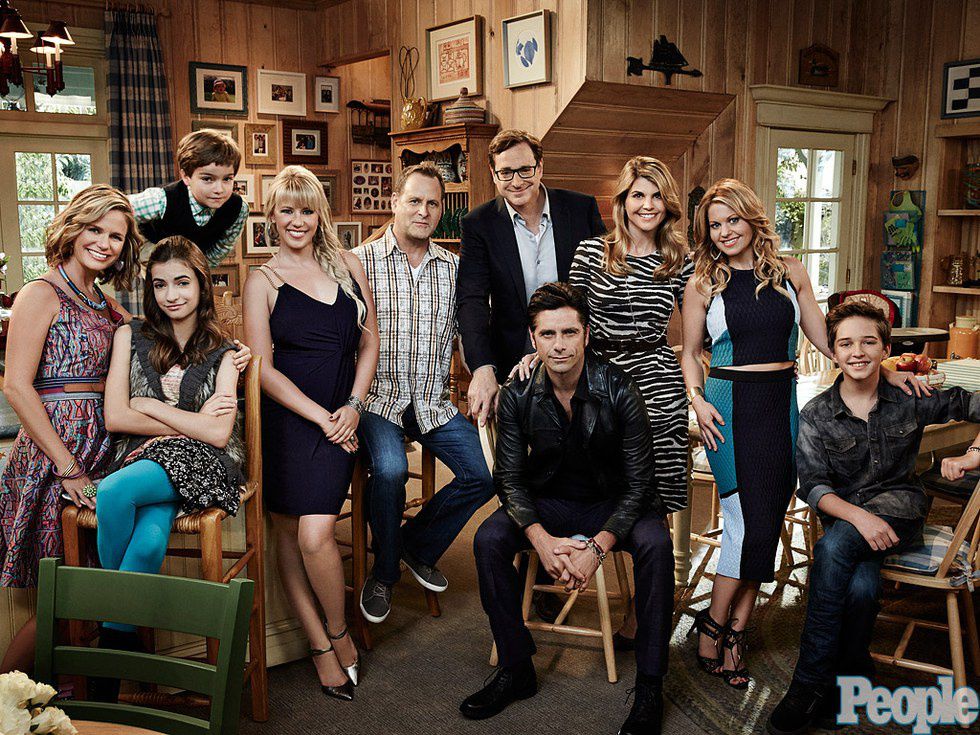
The well known sitcom, "Full House", originally aired from 1987-1995, producing a total of 192 episodes. From an economic standpoint, the show had a very successful and lengthy run; "Full House" reruns continue to capture substantial audiences. But the internet wasn't satisfied and it did what it does best, feed off of nostalgia. So, 29 years after the original show premiered, Netflix has released the first season of the long awaited sequel, "Fuller House." "Fuller House" has 13 episodes, four brand new children (in addition to the original cast minus Michelle), and a whole lot of nostalgia. Lets go through the good, the bad and the downright strange of the "Fuller House" premiere episode.
The Good
New Characters:
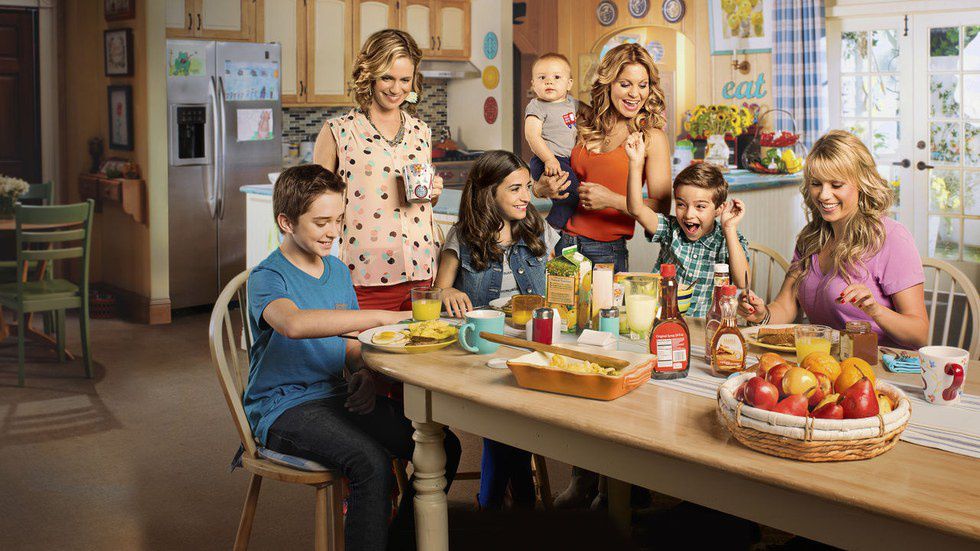
The first episode introduced us to the newest generation. D.J. has three boys, a 13-year old, a seven-year old and an infant; this serves as a parallel to the original show's three daughters. Kimmy, who moves into D.J.'s house to help take care of her children, has a 13-year old daughter. Most of the first episode doesn't focus on developing the children, but D.J.'s middle child, Max, charms from the get-go.
Independent Women
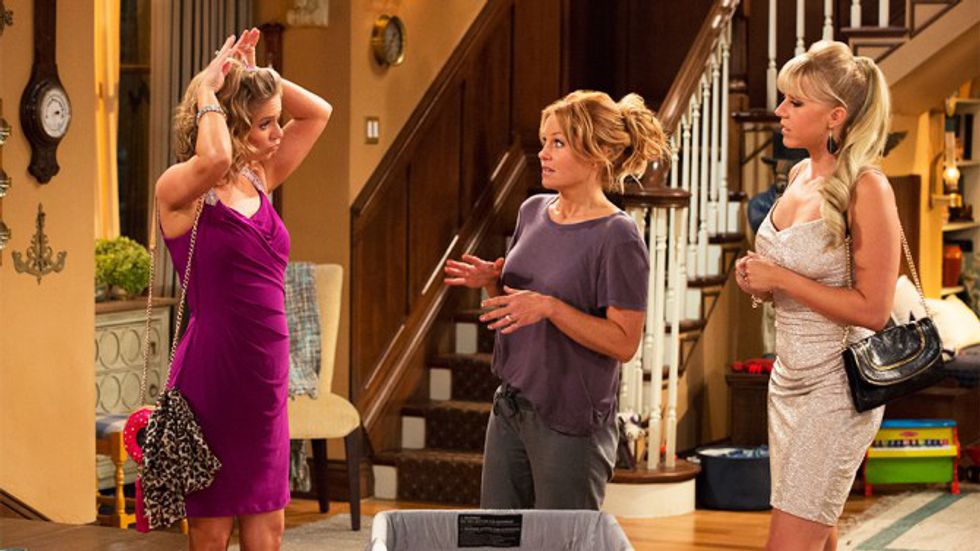
Stephanie, D.J. and Kimmy are all single as of the first episode. While this is likely to change, it is refreshing to see independent women supporting one another. From the start, Stephanie Tanner subverts what being a woman means by being happily childless. But we'll see how long this lasts.
The Bad
Excessive Nostalgia
In the first episode, my computer screen was practically gushing with all of the cheesy one-liners and past jokes "Fuller House" was cramming in. Dave Coulier (Uncle Joey) made a choice to stick to his old Woodpecker impression rather than trying for a more modern impression of Spongebob. This is exactly the kind of mistake that will hold the show back from standing on its own; it can only rely on the original series for so long.
The Downright Strange
Maturity
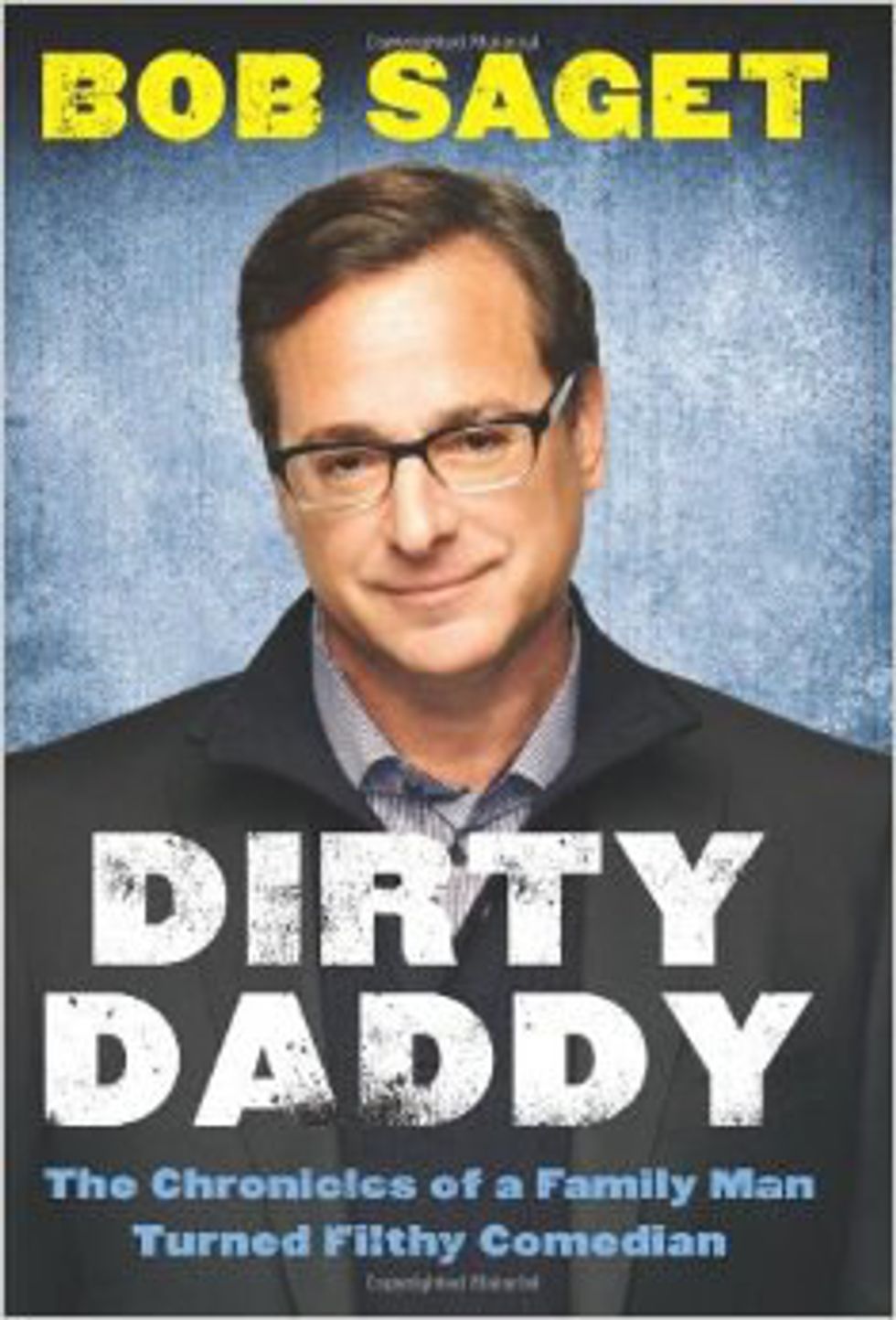
I have to warn you, there are several references and jokes in the premiere that would never have gone over in the first series. For example, Uncle Jesse jokes about his semen and Danny participates in the most uncomfortable dirty talk I've ever seen. I guess we should expect no less after Bob Saget wrote "Dirty Daddy: The Chronicles of a Family Man Turned Filthy Comedian."
Only time will tell if "Fuller House" can stand on its own. But if the internet's history of immense love for nostalgia is any indication, it is going to be success.