Pablo Picasso once said, "Every child is an artist," and I would give my left foot to watch him explain that to my kids.
As I finish lesson planning for my final week with the kids I have been teaching all summer, exiting out of all nine Pinterest tabs, each titled with a slightly varied version of "Art Projects for Kids," I am struck by how much I will miss this. I have spent the last seven weeks creating and implementing project-based learning with the objective of increasing the math, literacy, and social skills of children who are at risk for being held back in school. Basically, I attempt to teach art to a gaggle of high-energy, maniacal eight- and nine-year-olds who think most of what I am showing them is stupid. It's great. The "attempt" in that sentence is key, and "teach" is a fluid term. I do not believe one can truly "teach" art; instead, we learn various creative techniques and methods, some sanctioned by myself and others not. For example, on the first day I learned it is imperative to state that we do not draw on our faces. Shortly after, I learned which markers are really washable.
In all seriousness, one of the most important convictions I will be taking away from this experience comes from watching my students' interactions: children are artists in their own right, but they are also teachers.
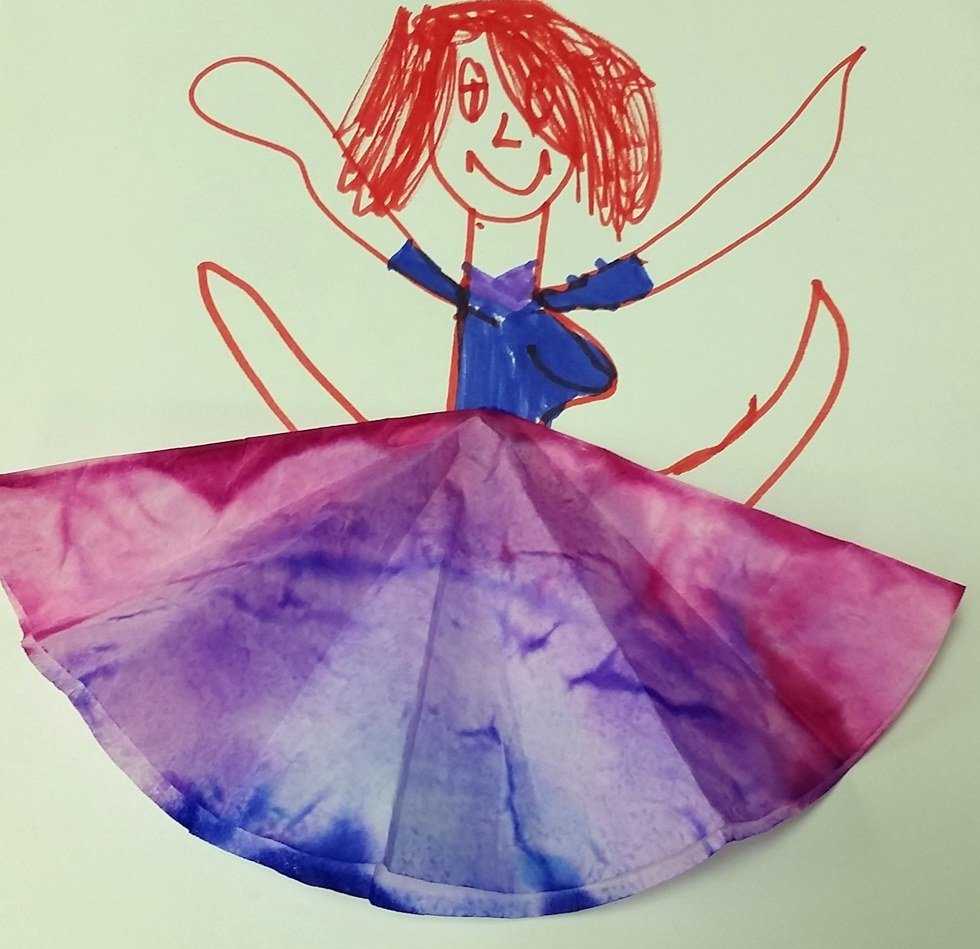
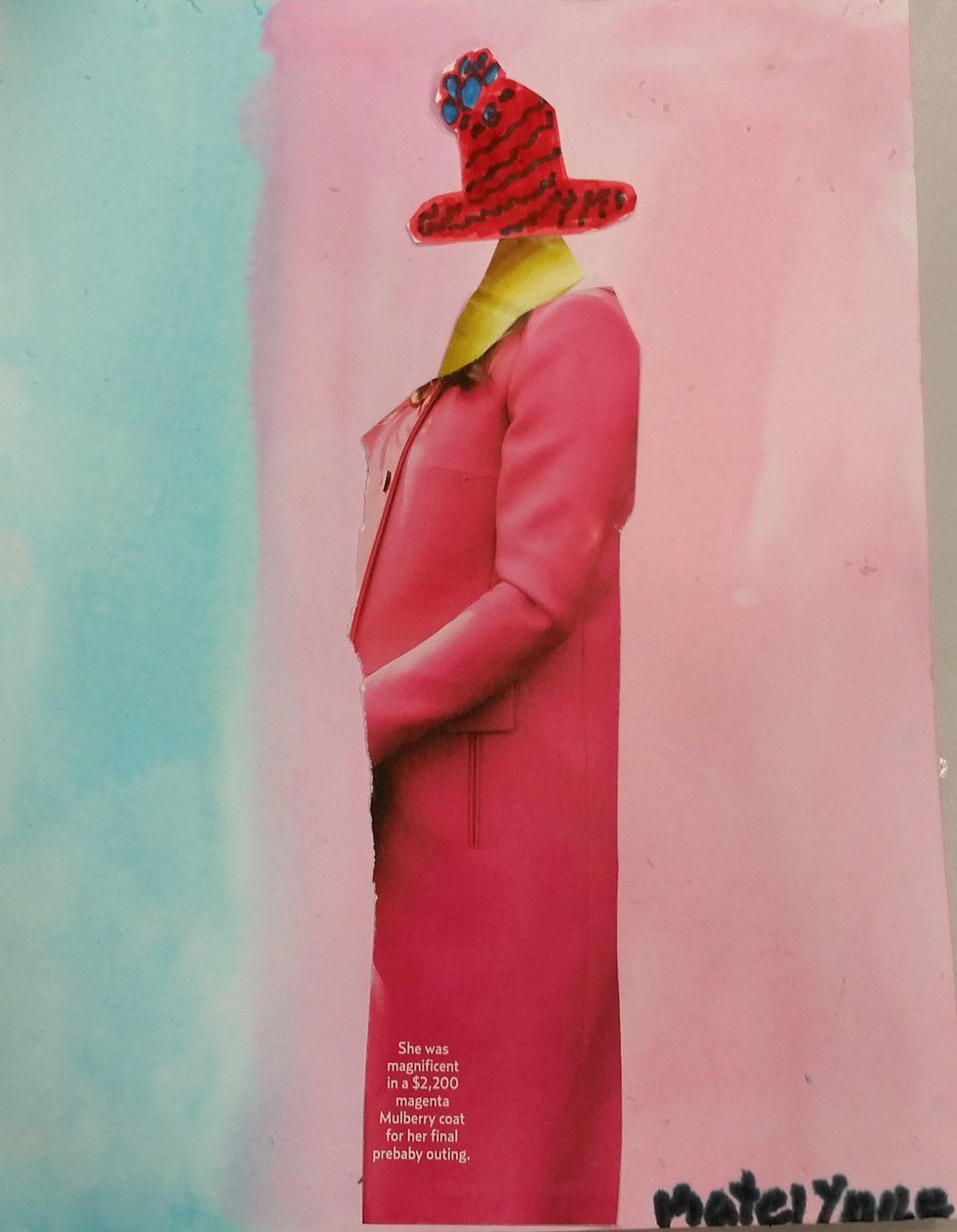
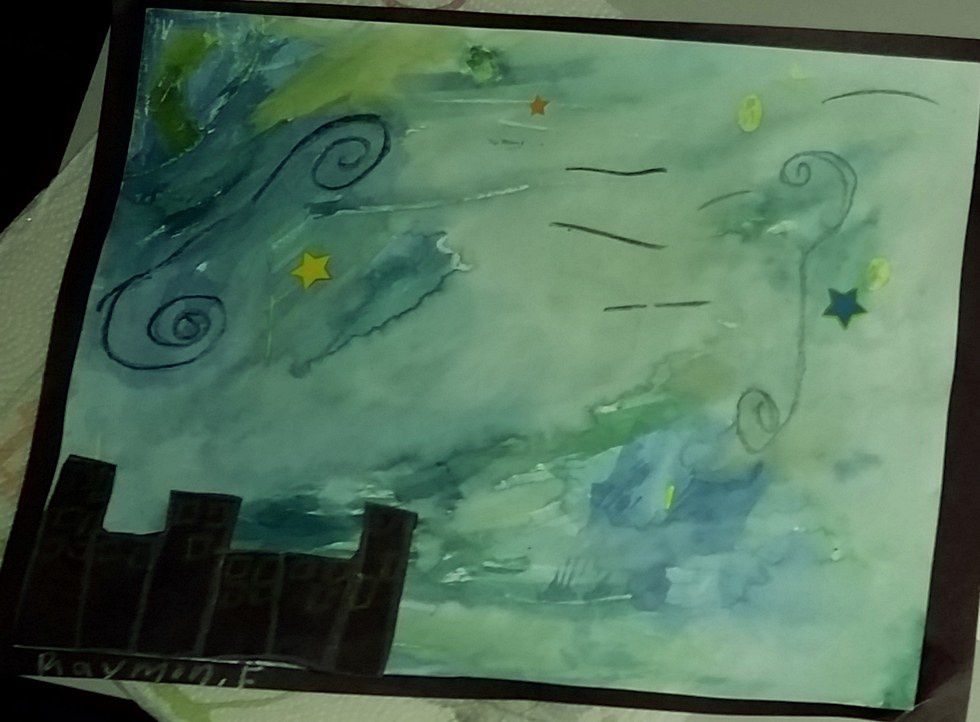
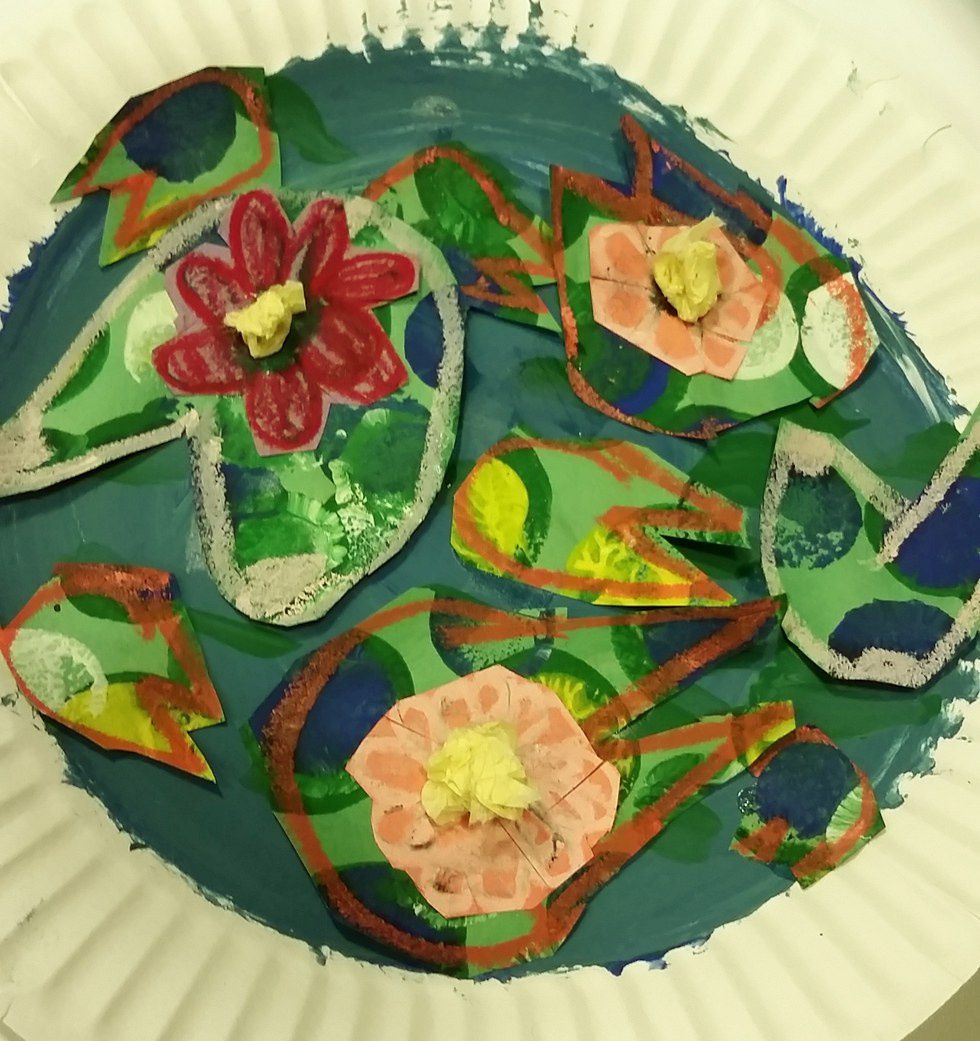 From Impressionism to Cubism to Pop Art, from Edgar Degas to Pablo Picasso to Andy Warhol, from coffee filter skirts on lopsided ballerinas to misshapen, abstract self-portraits to repeated neon, smudgy hand prints, this group of kids has been through the wringer. They fought over scissors when we cut out our versions of Monet's lily pads. They grumbled about Picasso's simultaneous use of frontal and profile as we struggled to draw an eye both ways. They lit up when we created surreal animal combinations à la Dali. They shut down when their Q-tip dots smudged during a lesson on Pointillism. They hated Picasso because his work was "ugly" and have only remembered Dali for his mustache. My kids created beautiful pieces of art, each unique and distinctly theirs. Throughout the process, I had the pleasure of witnessing the range of emotions that played out in their lives, both inside and out of our classroom.
I have glimpsed amazement.
The secretive, excited glances exchanged as they are instructed to walk further down the hallway as a reward for good behavior. They almost cannot believe they are allowed to walk all the way to the beginning of the windows instead of just to the corner.
I have seen unrivaled energy.
A pixie-like six-year-old in a baggy Scooby-Doo shirt ran laps around the gym for the entirety of indoor recess. When we are outside, there is an endless supply of requests for under-doggies and rounds of Crocadilly. Their enthusiasm is both exhausting and contagious.
I have caught sight of rage.
The seething hatred shooting out of a child's eyes after her classmate rips her painting. Little hands balled up into fists and mouth tautly pursed, hot tears welling in her eyes, she is infuriated. Her voice breaks as we go into the hallway to discuss the chain of events leading up to destruction.
I have noticed intense focus.
Concentration that drowns out calls for markers, instructions from me, and any other possible distraction. This tunnel vision is as impressive as it is problematic.
I have witnessed the struggle to control emotions.
A tiny little body quaking with excitement at the prospect of a grape popsicle... and the subsequent transition to despair and heartbreak as the last purple one is snatched away. He slumps into a corner, radiating disappointment with the world.
I have spotted joyful humility.
A smile creeping across a child's face as the other kids compliment his use of color in a Magritte painting. His eyes are averted, but he is soaking up each encouraging phrase they toss his way.
 Children feel purely. They are vessels of concentrated emotion, bursting with love and anger and eagerness and sadness and pride. They feel everything deeply and their reactions are unmasked. When they interact with and create art, it is fascinating and frustrating to observe the range of emotions, from excitement and full absorption to disappointment and disengagement.
I believe Picasso was right. The beauty in my kids' work comes from their interactions with each other. It comes from their struggle to control their emotions. It comes from their sense of being, their honesty, their playfulness, their life beyond the school walls, and it is much more than a few brushstrokes on paper.
For all intents and purposes, my title is teacher. However, spending time watching my students as they wrestle and grapple with their emotions in the pursuit of creativity has taught me more than I could ever hope to teach them. Every child is both an artist and a teacher.