
A cold Arcueil
curtain pushes against sharp branches as faint
streetlamps pry their way through a thick fog. Darius Milhaud,
along with his wife Madeleine, escort themselves to the former
apartment of one of classical music's strangest characters located in
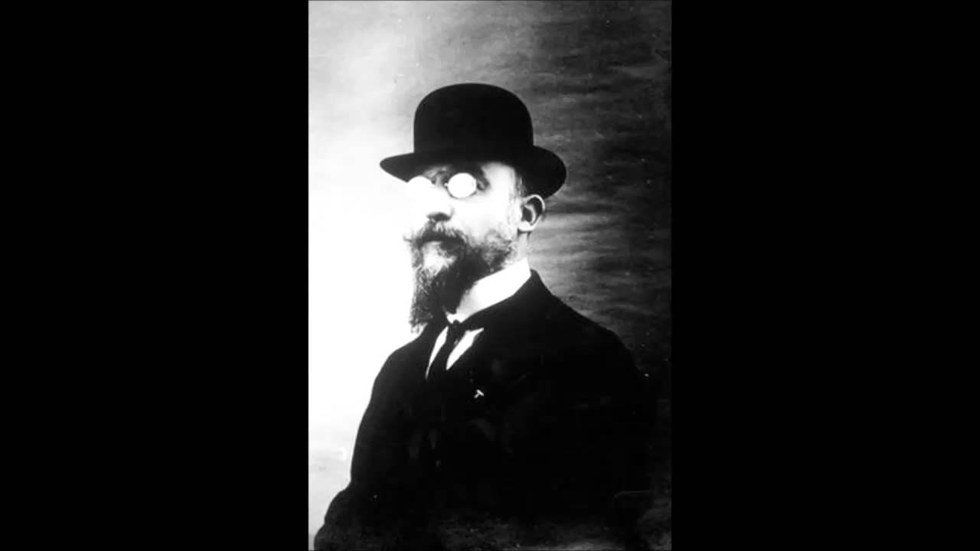
the southern suburbs of Paris. The shock of composer and pianist Erik Satie's sudden demise
and death seemed to fill the very air as if the fog had been stalking this very moment. As they entered the apartment the slight
sense of macabre and dread crescendoed into a composite of equal
parts heartbreak and enchantment. The sight was something to behold.
It was evidence of a reclusive madman and showed the final years of
a once brilliant mind to be as troubling as he was mysterious.
While the Solitaire d'Arcueil was living there, reportedly nobody had ever entered the premises. The images would only further suggest his recluse. Long infatuated with umbrellas and handkerchiefs, hordes of them were strewn about the room recklessly. Unopened parcels and envelopes littered the floor while two sentinels, one piano stacked on top of another, stood watch. The only response Satie ever offered about his inhabitance during his final years was 'I live in a closet.'
Erik Satie died of cirrhosis of the liver and pleurisy, likely as a result of years of heavy absinthe consumption, a green plant-based hallucinogenic liqueur popular in French cafés at the turn of the nineteenth century. Famously used by artists such as Claude Monet and Vincent Van Gogh, the drink proved to be the downfall of Satie.
Who the real Satie was is hard to pin down, but his standing as an enigmatic cult figure has proven to be one of the lasting relics of Impressionism. Satie was a rebel. He faked bronchitis in order to get discharged from the military, which he only joined after failing to impress teachers in multiple enrollments at the Paris Conservatoire. The pianist was labeled lazy, worthless and untalented by his teachers. His style and timing were picked apart. Eventually landing in the Parisian café scene budding with artistic talent, Satie became part of a network of many significant artists of the time. He first met Claude Debussy working in one of his early cabarets, whom he assumed a friendly rivalry with over many years. He also associated with the likes of Maurice Ravel.
Satie was also paramount in forming Les Six with poet Jean Cocteau, one of the most unique and unmatched artistic milieus which, in a sense, served as an avatar for Satie's creativity and personality. It is Satie's style and attitude that ultimately defined him more than his talent or technical proficiency. His pieces are very minimalistic. Seen in his rivalry with Debussy, his work stood up in defiance of many colorful romantic compositions of the time. As writer Jose Bergamin put it, "Erik Satie does not say the opposite of Debussy; he says the same thing only the other way around." It's the defiance that almost defines Satie's art more than the music though. He would "steal" (Now we just call it sampling) pieces of famous works and insert them into his own music in mockery. He invented words and would give pieces ridiculous titles such as Embryons desséchés, which translates into "Dissected Embryos". He was absolutely an absurdist and he loved to poke fun.
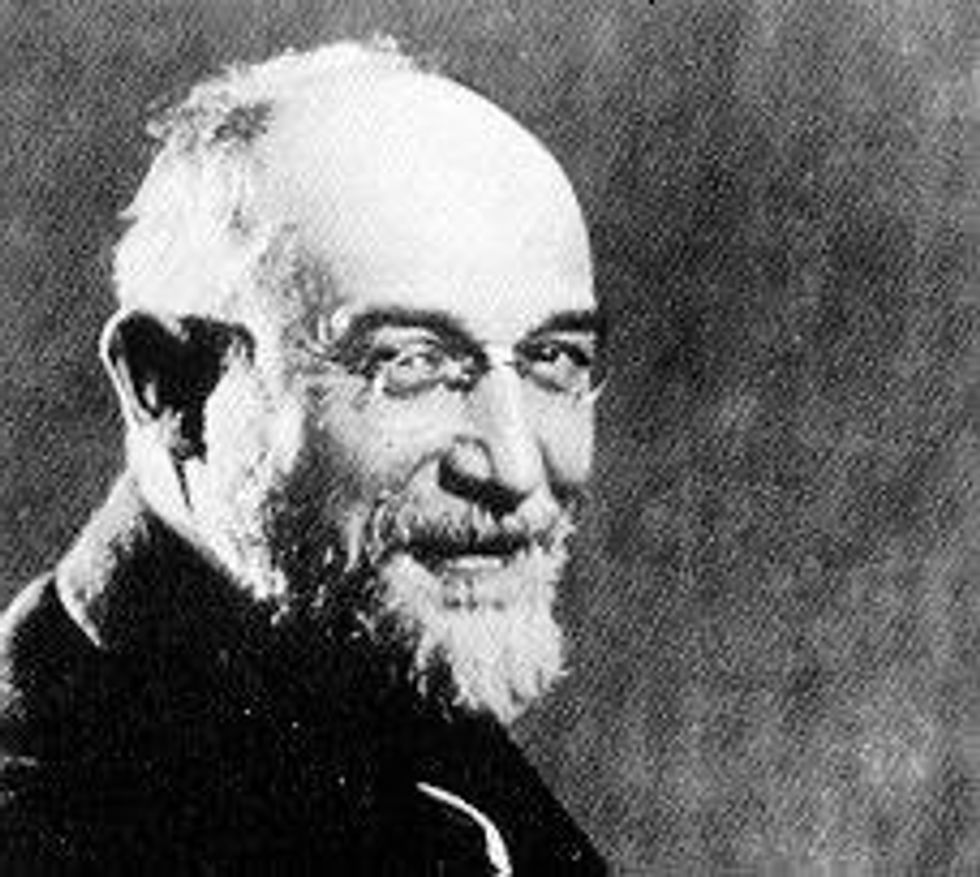
Back in the Acrueil apartment, the ghost of Satie still breathes. The unopened documents and letters are finally read by eyes they were never meant for, their meanings distorted. Stacked pianos, umbrellas and handkerchiefs all lie reminiscent of a Dalinian-esque landscape. The piano uncovers hidden sheet music thought to have been missing years earlier. Was it meant to be heard like this? The man was shrouded in mystery, but perhaps it is even better said that the man reveled in mystery. He is a beloved French icon and in the words of author Ornella Volta, Satie can best be understood as something more than an artist: “It was as if Satie represented a kind of patron saint for any new venture, he who lived by the rule of always reinventing himself." He was the human manifestation of riposte. Ultimately elevating himself to become part of the artistic experience itself, the great marvel of Erik Satie's career was his character's elusiveness and the shadow of eccentricity that he cast over himself as an artist. Perhaps what the Paris Conservatoire was trying to say all along was that Satie was merely just ahead of his time.