The effects of Hurricane Harvey prove that differences in gubernatorial action cause minority communities to be impacted harder than white communities by natural disasters. The disproportionate impact of natural disasters can be characterized as environmental racism. After extreme flooding during Hurricane Harvey, Army Engineers decided to release water from Houston dams. Intended to slow the effects of flooding throughout the city, the release caused downtown damage. Neighborhoods such as Manchester experienced flood levels of nearly nine feet, the highest amount since 1998. Inversely, Meyerland citizens have seen recent upgrades to flood infrastructure and have flood insurance included in their mortgages. Manchester has nearly 90% hispanic people and Meyerland has nearly ⅔ white people. Shouldn’t all people be protected from environmental hazards? Unfortunately, Houston is not the only recent example of environmental racism. In 2016, two Indiana cities experienced polar opposite reactions to lead contamination by the state, fueling one of the worst cases of environmental racism in recent memory.
Greentown, Indiana has a population of 2,400 people, comprising 96.3 percent White, 1.5 percent Hispanic and 0.5 percent Black people. In February 2016 town residents were notified of lead contamination in their drinking water. We know from studies generated by the contamination of Flint, Michigan that lead exposure causes fetal deaths and alters brain function, amongst other health issues. Greentown’s water measured a lead level of 20 ppb, above the EPA’s 15 ppb limit. The state administration sprung into action, citing that coverage of Flint’s lead contamination caused increased sensitivity towards the issue. By March, Governor Pence personally visited Greentown and influenced the installment of a polyphosphate injector at the town’s water treatment facility to coat pipes to prevent future damage. In addition, a preventative maintenance plan was enacted for Eastern Howard school drinking fountains and filtration systems were added to town drinking fountains. Within a month of the initial notification of contamination, the Howard County Health Department assured Greentown’s water safe for human consumption.
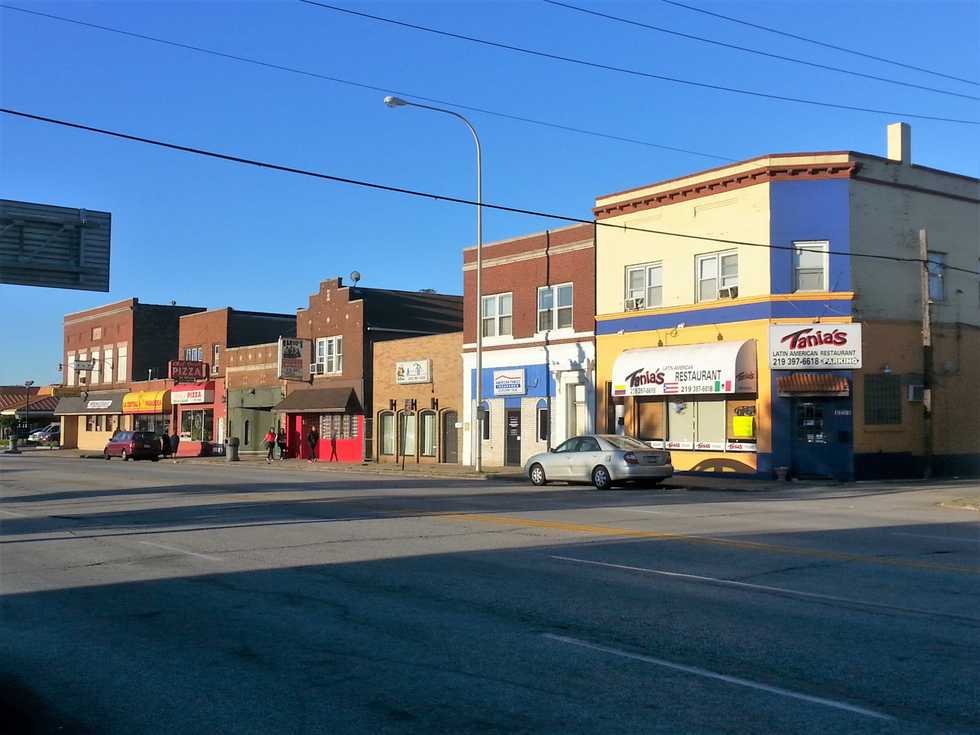
East Chicago, Indiana has a population of 28,000 people, with 90.1 percent minorities, 38.3 percent Black and 51.8 percent Hispanic, and only 9.3 percent White. In Fall 2016, residents were informed of extremely high lead content in their soil. East Chicago soil measured lead levels over 91,000 ppm, 227 times the EPA’s 440 ppm limit. In reaction East Chicago Mayor Anthony Copeland ordered the relocation of residents of the West Calumet Housing Complex, which was built on the site of a lead smelter. Indiana Department of Health records show an awareness since 1985 of East Chicago lead contamination, although citizens were not informed until 2016. Mayor Copeland requested an emergency declaration from the state but was ignored.
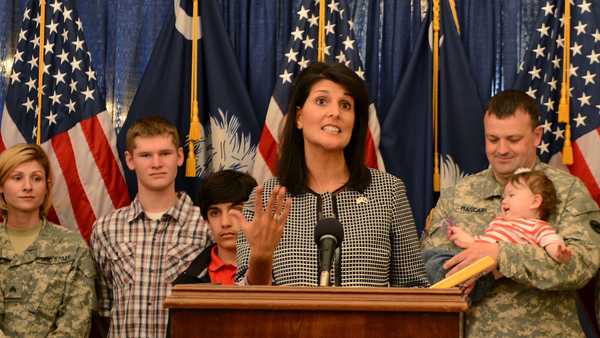
On February 9, 2017, a few weeks after assuming office, Indiana Governor Eric Holcomb signed Executive Order 17-13, declaring a disaster emergency for East Chicago. Prior to his election as Governor, Governor Holcomb served as lieutenant governor to Mike Pence. Ironically both men are members of the Republican Party. It was discovered on March 3, 2017 that in addition to soil, East Chicago’s water supply has high lead content. Today East Chicago residents are still reeling for a healthier environment, while Greentown enjoys clean water.
It is easy to focus on destruction caused during short term disasters like Hurricane Harvey, however the nation needs to be equally as vigilant about long term exposure to environmental hazards in places such as East Chicago. Although no single event caused the extreme lead contamination of the area, many systemic factors have lead to today's circumstance. Generations of East Chicago children have lived in a toxic environment, with lead affecting their daily health and long term cognitive ability. These same citizens have a harder time fighting their circumstance due to decades of housing discrimination, difficult access to legal resources, and disproportionate health care. How long will it take for environmental racism to become a household issue? East Chicago needed our help 32 years ago.