


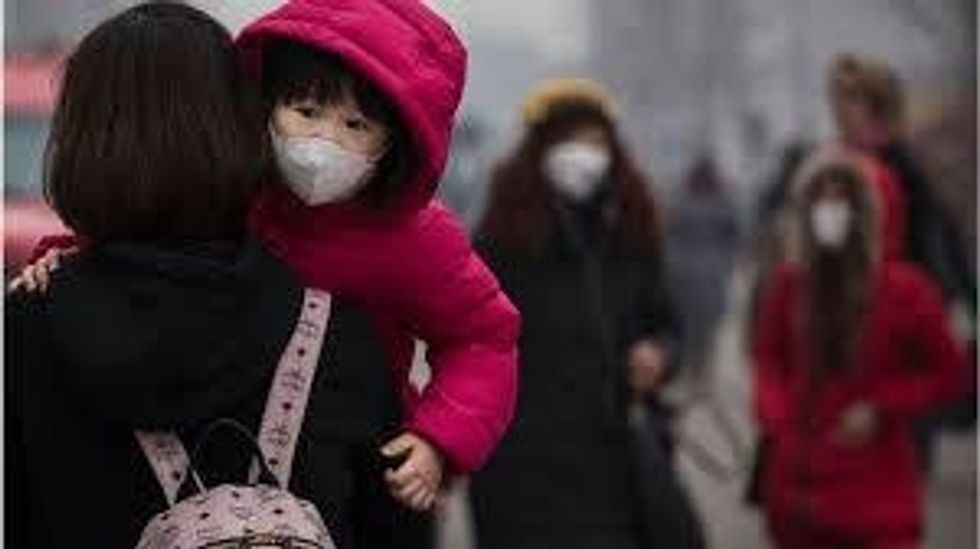
Almost 25 percent of all global deaths are due to unhealthy environments, according to a new study published by the World Health Organization published early this year. The study reveals that, as of 2012, 12.6 million global deaths (23 percent of deaths) are linked to physical environmental risk factors, namely air, water, and soil pollution, chemical exposure, climate change, and ultraviolet (UV) radiation.
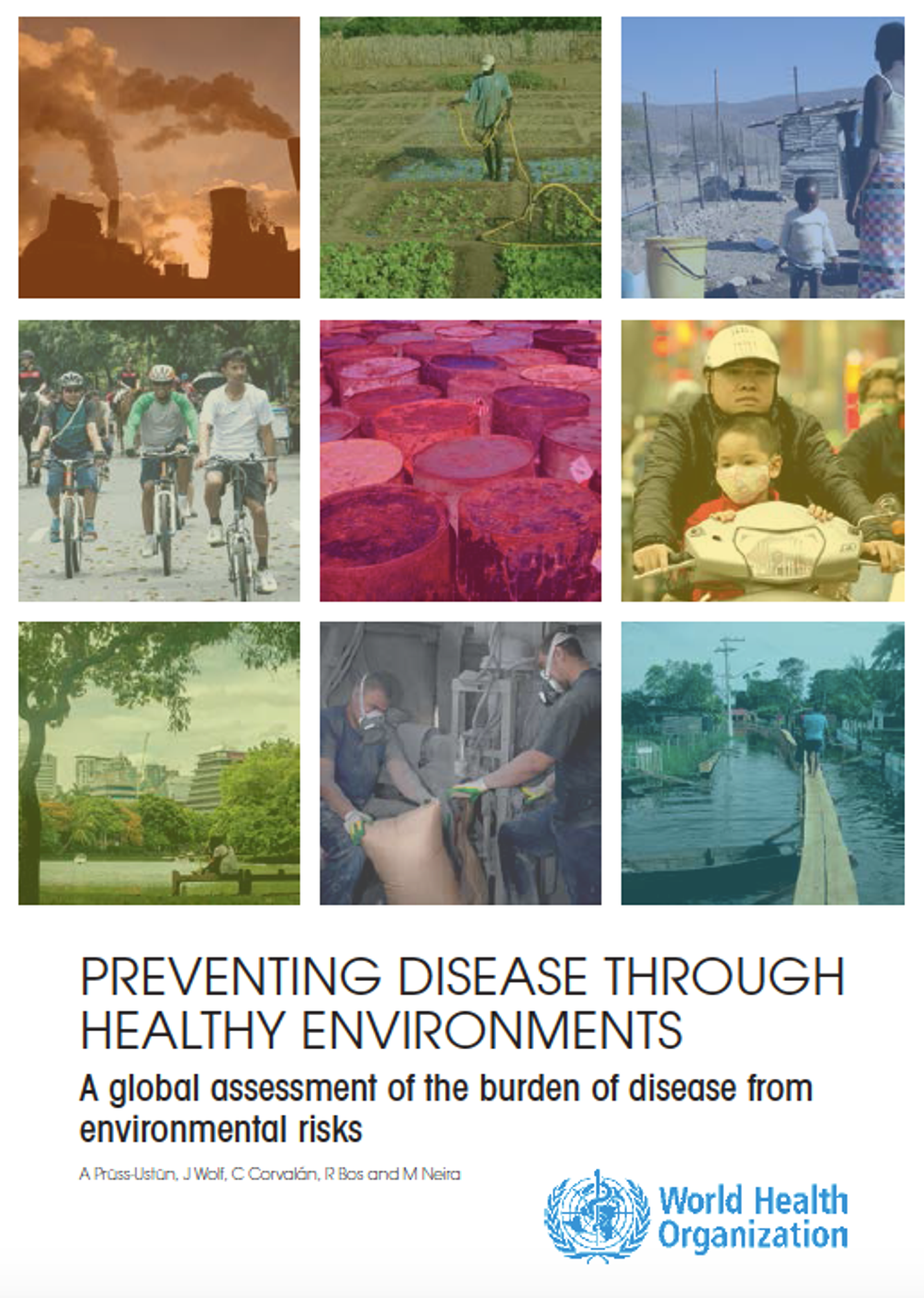
The WHO reports that approximately 100 serious injuries and diseases came from one or more of these environmental factors. Various illnesses and incidents, especially in developing countries, are linked to factors such as pollution, exposure to toxic wastes, and even unhealthy behaviors, such as secondhand smoke and unsafe working conditions. According to the WHO Public Health and Environmental Chief Maria Neira in a statement to Voice of America (VOA), 8.2 million of these deaths can be linked to air pollution and secondhand smoke alone.
However, the environmental factors affect different age groups and genders differently. The report highlights that unhealthy environments impact children under five years old and older adults the most. Many of these deaths used to be caused by poor sanitation and waste management, according to VOA. Now, these deaths come from non-communicable diseases and other illnesses (not contagious), and unsafe conditions derived from environmental problems.
The WHO press release reports that strokes, heart disease, unintentional deaths (i.e. traffic deaths, falls, burns), cancers, and chronic respiratory infections are among the top environmental-related deaths. These deaths have occurred in each region of the world. According to the WHO report, these particular deaths come from household air pollution, secondhand tobacco smoke, UV radiation, construction on housing improvements, stressful and unhealthy working conditions, exposure to mold and dampness, and exposure to allergens on a regular basis. Unintentional deaths worldwide come from falls as a result of unsafe construction environments, poorly designed infrastructure or current infrastructure projects, accidental and hazardous exposure to poisons and heat, and even drowning. Not even developed states are immune to these incidents.
While these are the most common environmental-related deaths, the report discusses how other diseases like diarrheal diseases come from continued water and hygiene inadequacy, agricultural practices, and even climate change, one of the most politicized issues in the world. Intentional injuries are also on the list of environmental-related deaths, accounting for over 245,000 deaths each year, according to the WHO. Ease-of-access to toxic chemicals and firearms cause deaths related to self-harm and interpersonal violence.
Since before the publication of the WHO report, the WHO has been working with several countries to combat indoor and outdoor environmental conditions, particularly air pollution. The WHO recommends implementing green and clean technologies for use in cooking, heating, and lighting to avoid cardiovascular and heat-related injuries and diseases. Furthermore, the implementation of tobacco legislation could reduce pollution and respiratory infection related to secondhand smoke.
The WHO report recognizes that more must be done to prevent these incidents and illnesses from occurring. “Ninety-seven percent of the medical expenditure, which are trillions of dollars,” said Neira to VOA, “are going to treatment of a disease - medical care. And, only three percent of those resources are going to prevention.” Therefore, by expending more on prevention, states can save money on medical treatment since the rate of injury and incursion would decline. Investing in the well being of people is immediately and perennially beneficial to global health and security.
For the full WHO report, visit Preventing Disease Through Healthy Environments.
For the WHO press release, visit WHO news release.
For the VOA press release, visit Nearly One Quarter of Global Deaths Environmentally Linked.

















