


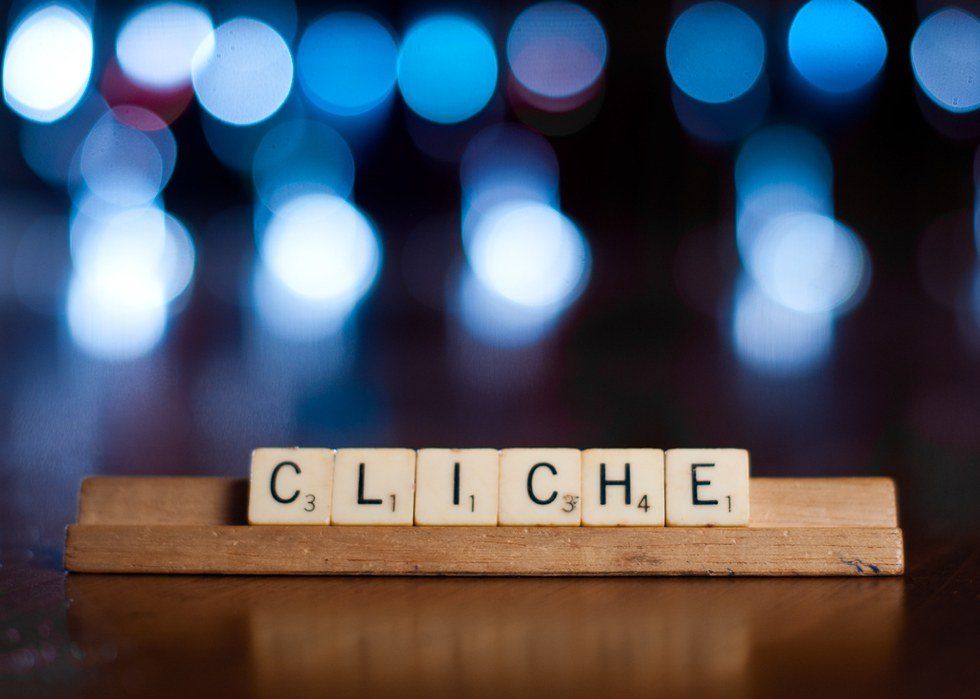
We've all seen clichés in various art forms, and have been led to believe that any form of artistic expression riddled with them get somehow tainted, subsequently losing all inherent value. In this short article I hope to discourse on why we should all embrace the cliché in popular media, or at the very least, be able to cut them enough slack so that we can see the true value of the art they help to contribute to.
1. If something is considered cliché, then all that means is that it was, in its reception, a reflection of universal sentiment or truths. It was simply overused. Imagine a song on the radio, that, while catchy at first, proved unbearable after it was played too much. The inherent value of the song didn't change, but your perception of it did. Clichés are the same way, in that they shouldn't detract from the value of the piece they're in simply because they have been used a lot before.
2. Clichés can be the starting point for an artist to veer in a new direction. In film, a great example of this is the recently highly successful children's movie Zootopia, that, while starting off with a "youth with big dreams disillusioned by reality" cliché, the movie expediently developed with surprising depth and social commentary. If you had dismissed the cliché from the start, instead of simply seeing where the movie was going, then you may have been less receptive to the big picture Zootopia was trying to get across.
3. “We're all clichés, all following scripts that have been written and played out long before we landed the role.” -Jonathan Tropper "One Last Thing Before I Go"
The paths that most of us take in our lives are extremely predictable. Story telling is ultimately the product of the writer's life experiences. Why then, should we resent artists for using a bit of predictability in story telling?
4. "There is no such thing as a new idea. It is impossible. We simply take a lot of old ideas and put them into a sort of mental kaleidoscope. We give them a turn and they make new and curious combinations. We keep on turning and making new combinations indefinitely; but they are the same old pieces of colored glass that have been in use through all the ages." -Mark Twain
Another way to express this is to imagine a piano. Sure, you can technically create something no one has ever heard before by randomly bashing on the keys, but it will sound horrendous. Beauty in music comes from melodic phrasing, and the repetition of melodic phrasing. Most songs follow the tropes that countless composers before have utilized with success, they merely alter them to create something new. Art is bound to have some themes that predecessors before have used, but that shouldn't in any way diminish its beauty or significance.
I hope I was able to provide a compelling argument for the cliché, or at least make an interesting read.















