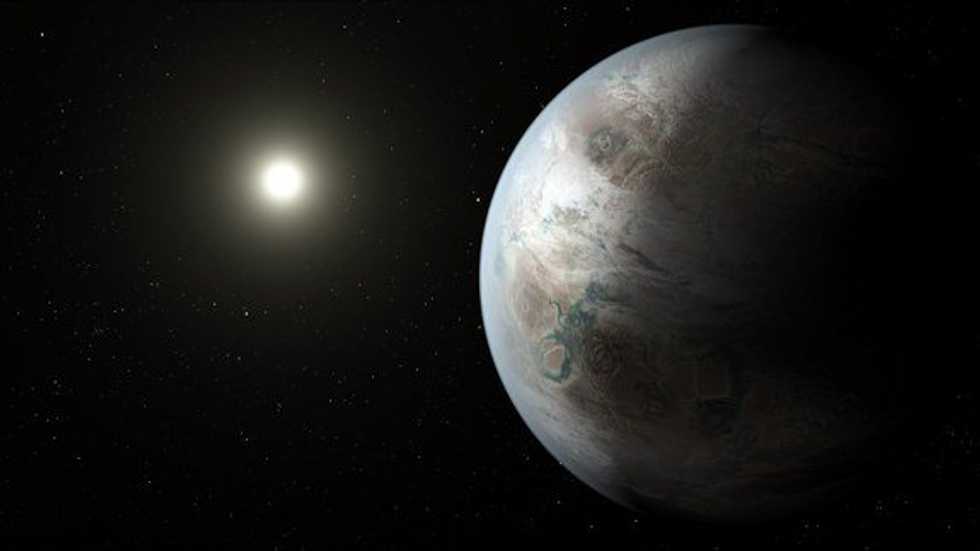
If you did not believe in life on other planets before, you might want to take a second look at NASA’s newest planet discovery, -- Kepler-452b.
On Thursday, July 23, NASA announced their discovery of “the closest twin to Earth” in the constellation Cygnus, named Kepler-452b. This planet is the first possible planet in the habitable zone -- where liquid water may exist on a planet -- of a G star similar to our sun. Although it is 1,400 light-years away from our planet, it is only five percent farther away from its star than the Earth is to the sun, with 385 days in the year rather than 365 days. The similarities are the closest to Earth out of all the planets the satellite discovered so far. However, NASA believes that the differences between our planets are a thicker atmosphere, five times more mass than Earth and gravity twice as strong.
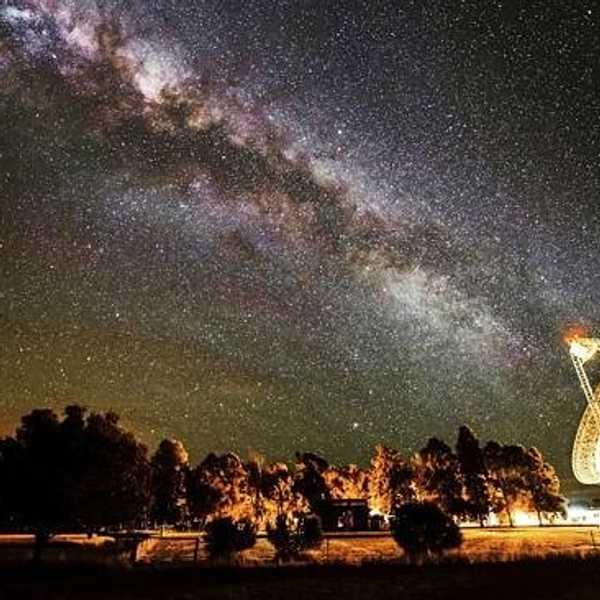
Launched in 2009 through 2013, the $600 million Kepler mission’s goal was to scan the Milky Way for habitable planets. It works as so: it scans the light from distant stars looking for a star’s brightness, which suggests that a planet has passed in front of the star and the telescope. This project has discovered more than 1,000 planets but only a handful have been similar to the Earth’s size, orbit and zone. The space telescope was looking to find “Goldilocks planets” -- worlds where it’s neither too hot nor too cold, similar to that of Earth and capable of living organisms.
Researchers from NASA were looking through four years of data from the Kepler space telescope when they found “Earth 2.0.” Although the observations of the planet alone seem similar to that of Earth, there is a definite need for more advanced instruments to confirm the true composition of the planet. Scientists do not know if the atmosphere is habitable for life, but according to NASA researchers, there has been plenty of time for organisms to develop there. NASA is planning to launch a second Kepler mission in 2017. This satellite will search for the nearest solar systems with exoplanets.
As far as life on this planet goes, there are three ways to detect it, according to Seth Shostak, senior astronomer with the SETI Institute. The first would be to go out there and look, however our technology can not handle that distance. The second would be building large telescopes to analyze the light bouncing of the planet but the star is too dim for that. The last option is to search for signals on the planet and that is what SETI does. This project will take time as well but there is hope that if alien intelligence exists on Kepler-452b, researchers will find it.
This planet is six billion years old with the host star about 1.5 billion years older than our own sun. These findings can give us a good idea of what Earth will be like millions of years from now. So, with all this information known to us, the question running through all of our heads is: are we no longer alone?