
If asked to define the relationship status of American political culture, you could probably fall back on the old adage, "It’s complicated." For a couple just starting to date, this vague search for clarity is acceptable if not expected. But for an aged and established institution like the United States government, the lack of defined priorities and boundaries is outlandish, bordering on absurd.
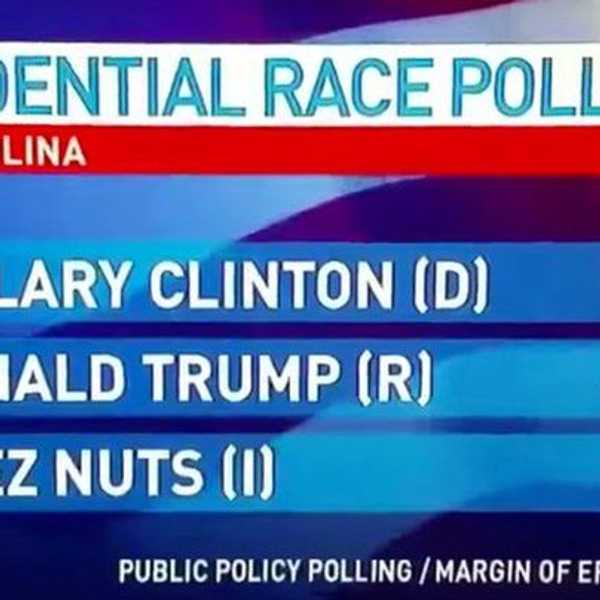
While the political parties in power may have clearly outlined their hostile relationship, the public struggles to adequately understand its role in a rapport that focuses more on labels than legislature. And, as the desire to stake property on a party lawn eclipses the voices of the people calling at the gate, bipartisanship rears its ugly head. The laundry list of causes and stances that divide Republicans and Democrats undermines the basic function of government: a large population of people looking to a select group of leaders to protect and serve them. Politics should not be about what color tie you wear on Election Day, and yet officials have become more concerned with beating their opponent than serving their country, isolating the human element and turning it into an animal one, obsessed with rivalry and survival. Because of America’s compulsive competitive complex, we perpetuate a cycle of bipartisanship that prevents legitimate issues from occupying the forefront of the United States political scene.
Being a Democrat or a Republican now accompanies a handicap of predetermined perspectives and stances; you can assumedly guess an individual’s position on any given topic based on what news station they watch while they sip their morning coffee. The danger of allowing umbrella associations to dictate personal policies is the same threat that accompanies profiling individuals you see on the street; an over-arching judgment overlooks the potential for discovery, diversity and growth based on the power and unique lens each person lends to the world. But until the electorate demands change, the upper echelons that stalk the halls of the White House ready to slap an association or allegiance on any subject that comes their way, the power remains in the dirty cogs of the label maker. As we look to the national and international stage, voter turnout and education becomes a crucial aspect of communicating public opinion and remolding the practice of American democracy. This is not a change that will occur in a singular election societal demand of issue-centric partisan practices over party-prioritized pandering must evolve with the problems that need to be addressed.
Like the stereotypical teen it truly is, the United State’s political culture would rather obsess over whether a relationship is Facebook official than see the issues for what they are: threats to the public interest and well being. As the American community attempts to DTR with its ruling body, priorities must be outlined, boundaries must be drawn, and a clearer expectation of responsibility and purpose must be the driving force. Overcoming status preoccupation is not a quick-fix task, but a change in democratic practices from party-dominated to issue-fueled.