
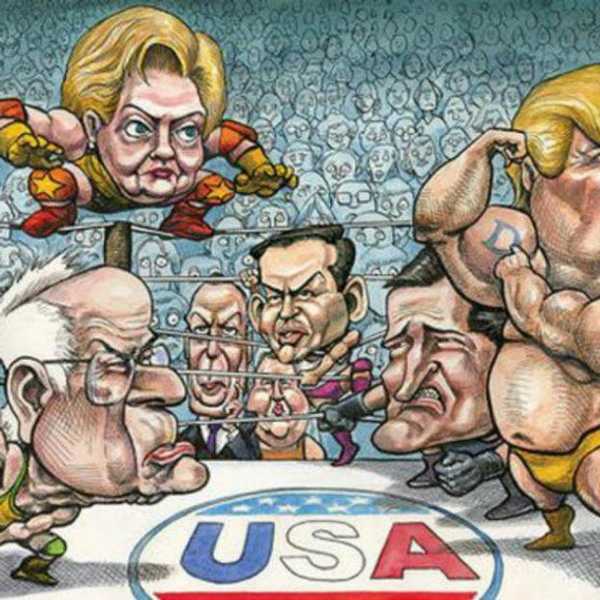
While the US was busy counting votes on November 8th, Indians were busy counting notes.
The current Modi government has taken action to break the grip of corruption and black money by demonetizing higher denomination notes of Rs 500 and Rs 1000 notes which took effect midnight of November 8th. All citizens were required to deposit the former notes of Rs 500 and Rs 1000 in Bank or post office by December 30 as they would be illegal and “merely paper”. There would be a new Rs 500 and Rs 2000 notes issued. The move was hardly unprecedented as India has pulled select denominations of its currency twice before. Yet, many praised Prime minister Narendra Modi’s attempt as "bold in its intent and massive in its measure" Arguably, this is Modi’s biggest move since he was elected prime minister.in order to directly attack the black money market which usually takes the form of high-value notes (Rs 500 and Rs 1000 in this case).

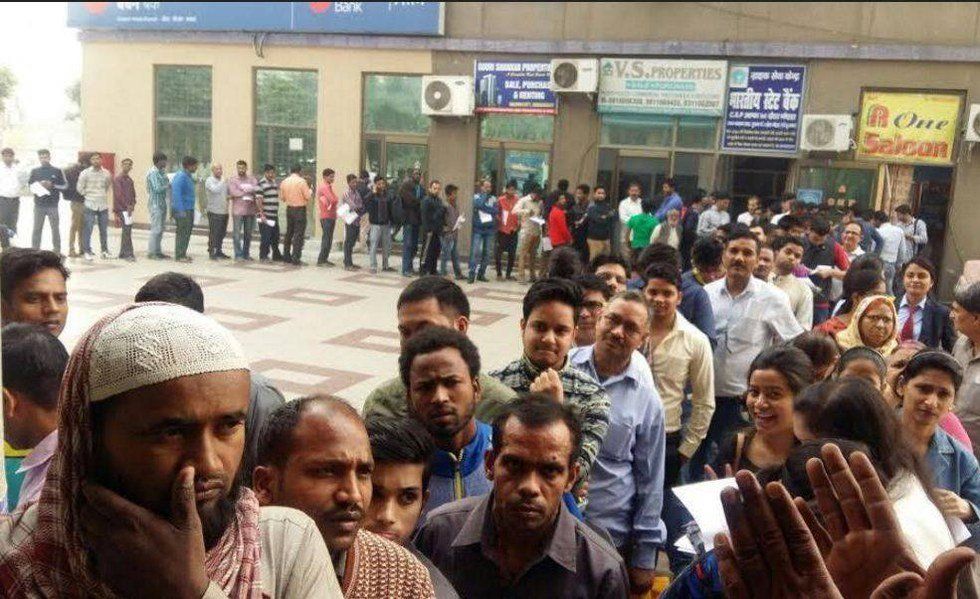
This sudden decision has come with enormous costs. The immediate effect for the Indian working section who work on cash transactions are massive. India is a cash economy where 90% transactions are done in cash. While the banking network has spread in rural India, many people don’t have bank accounts or operate one. This is leading to immediate chaos and anger amongst average Indians as banks struggle to dispense cash while the ATMs either have long queues or are not operational.

The smaller businesses in urban and rural areas are also mostly run on cash as they use hard cash to make payments for their inventories or to receive payment for their services. The new switch to Rs 2000 notes might take some time to effect and until then, these small industries will suffer massively due to limited circulation of 100 rupee notes. India could lose its tag as one of the “world’s fastest growing economy” as India Ratings note that the informal sectors, real estate and gold market which see a high element of cash transactions may slow down.
Many “big shots” in India, whose wealth Modi had sought to target, have found loopholes around the new rules. They don’t stack black money in cash but rather they stash in undisclosed accounts in Swish bank. Thus, the demonetization will hardly affect them.

There is no denying that this is probably the boldest move that Prime minister Modi has taken in his efforts to tackle the problem of corruption in India. However, it is a sudden big reform which has immediate huge impacts on the lives of most Indians. The Indian economy just had a massive disruption overnight and only time will tell how successful Modi’s “bold and revolutionary step” will be at curbing the black market.