
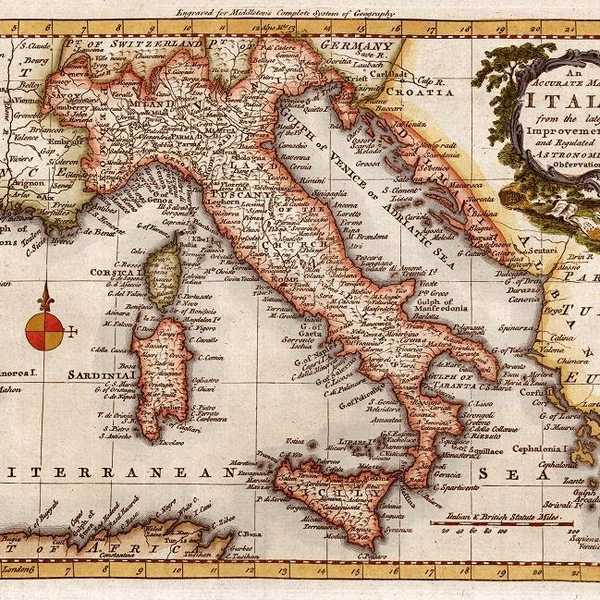
I haven’t been all over the world, but I still have been to some pretty cool places. Outside of the United States, I have been to Italy, Greece, Spain, Turkey, and Morocco. Because I love traveling so much, I thought it would be fun to write about some of the places I’ve traveled to so that you can read about them from someone who’s already been there. That way you can (maybe) figure out if you would want to travel to any of these places.
Rome
Rome is a vibrant city full of countless things to do, but its legacy as a city, coupled with the feeling that I was walking through history, was what truly awed me. You can’t help but be enthralled as you walk through the Roman Forum and the Colosseum. They are truly awe-inspiring, and it is hard to comprehend that the cobblestones you are walking on are the same cobblestones that Roman emperors walked on.
Pompeii
Nearly all that is left of the ancient city of Pompeii is history. When Mount Vesuvius erupted in 79 AD, the city was preserved under all of the ash and rock that decimated it.
When I went to Pompeii, I had an old Sicilian tour guide named Roberto who somehow managed to wear patent leather shoes, pressed khaki pants, and a button-up plaid shirt in the blazing heat that is Italy in late June. I thought I might die in my shorts and short-sleeved T-Shirt, so I was at a loss to understand how he could bear the heat, except to think, "Maybe it's a Sicilian thing."
Pompeii is really a fascinating city. Unlike most traditional ruins, many of the buildings are nearly perfectly preserved (with frescoes intact), and you can actually go inside most of them. If you’re in the area and you like history, you should definitely try to go to Pompeii.
Olympia
Who wouldn’t want to see the original birthplace of the Olympics? It’s mind boggling to think that you are standing in a place of such historical significance; to think that Ancient Greek citizens traveled for weeks, even months, to visit that same exact place and watch the Olympic games.
Mykonos
Mykonos is a rocky (but beautiful) little island city. There are no roads in the inner city--only twisting, narrow paths. And everything is painted white--even the cobblestones you walk on. If you get the chance, try to see the sunset on the ocean from Mykonos. It is truly stunning.
Santorini
Most people know Santorini from The Sisterhood of the Traveling Pants, but I know it from hiking to the top of the Santorini Volcano and then jumping into its caldera and swimming in it. Pretty cool, right? Many experts believe that the Santorini eruption may have inspired the myth of Atlantis. Who knows? Maybe Atlantis is out there, hidden deep underneath the Aegean Sea. If you get the chance, you should visit Santorini and brave the old volcano’s caldera--it’s truly an unforgettable experience.
Rhodes
Rhodes is another beautiful little island, similar to Mykonos, but less rocky in nature. It’s a bit more green, and there are gorgeous magenta Bougainvillea flowers everywhere. The old walls of the city fortress still surround the city, making Rhodes another city of historic interest. If you ever make it to Rhodes, you should get a chicken gyro from one of the street vendors--they are probably the best gyros you will ever have, and they only cost about 2 Euros. Some of the vendors even put french fries inside the gyros. It is surprisingly delicious.
Sevilla
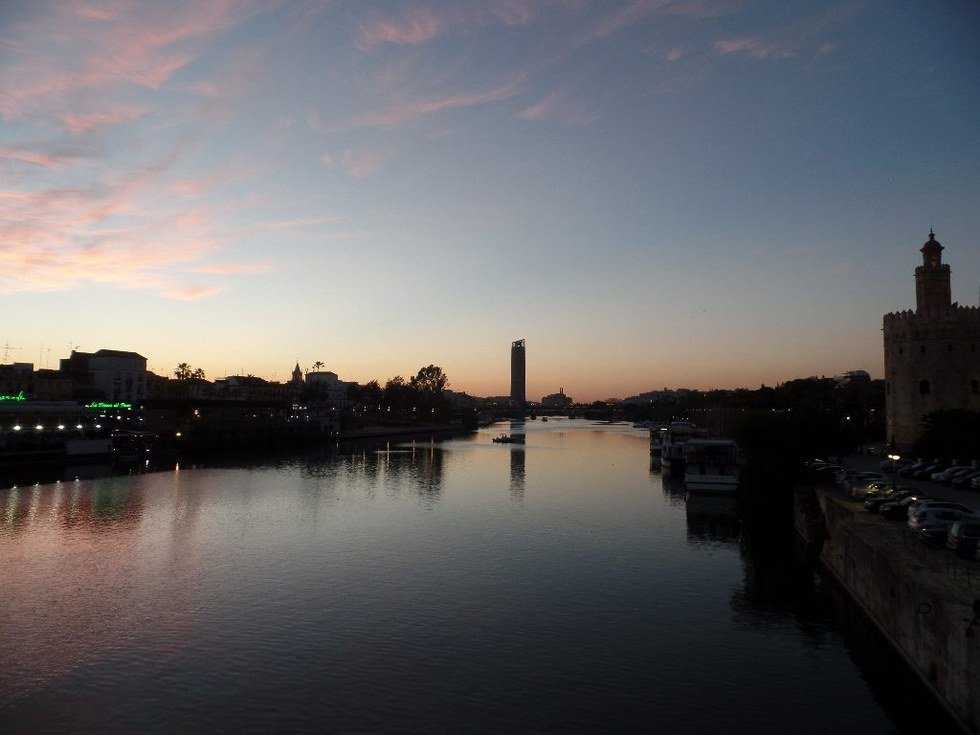
If you ever go to Spain, please go to Sevilla (Seh-vee-yah). I spent 4 months studying abroad in Sevilla, and it is one of the most beautiful cities I have ever seen. Sevilla is warm, bright, and ever-welcoming. In the 4 months that I stayed in Sevilla, I never had so much as one bad experience with a local. If that doesn’t tell you something about the warm and welcoming nature of the locals, I don’t know what will.
Sevilla is a beautiful mix of history and modernism, of old traditions and new ones. It is a vibrant, beautifully alive city. If you visit Sevilla during the spring, check out la Feria (you really don't want to miss it), and Semana Santa (Holy Week). They are Sevilla's two biggest festivals, and they are both incredibly vibrant windows into the culture of Andalucía.
Sevilla was one of the last Spanish cities to be reconquered from the Arabs, so the Moorish influence is clearly apparent in the architecture, the culture, and the language. Studying how these two cultures have intersected is truly fascinating. But you don’t have to take a history class to understand how this worked--their interaction throughout history is evident just by looking at the Giralda (Sevilla's tower) and seeing where the architectural styles change.
Granada
Granada is a fascinating city because it was the last city to be won back from the Muslims in 1492. Because Granada was the last Spanish city to be reconquered, its Arabic influence is perhaps even greater than Sevilla’s. Granada is basically on top of a mountain, which is part of the reason it was so hard to conquer. If you go to Granada, you should visit la Alhambra (silent “h,” please), the ancient Arab fortress at the very top of the mountain. The detailed carvings in the walls and ceilings are exquisite and definitely worth seeing. Also, there's apparently great skiing in Granada if you're interested in that sort of thing.
Córdoba
If Granada was the Muslims’ military fortress, Córdoba was their spiritual heart. Home to la Mezquita (known to English speakers as the Spanish Mosque), Córdoba harbored many great scholars. Just like Sevilla, Córdoba also has had quite an interesting history. Before the Arabs built la Mezquita, there was an ancient Roman-Visigoth cathedral in the same place where the Mezquita now stands. The Muslims tore it down in order to build their mosque on the sacred land. So now we have la Mezquita, which now is actually a Catholic mosque.
Cádiz
Cádiz is where Christopher Columbus sailed off from in 1492, and the city was a veritable fortress because it was impossible to attack. Cádiz also has a cathedral at its center, but unlike Sevilla’s cathedral, Cádiz officials ran out of money while they were building it, and to this day it is still unfinished. Be sure to get some seafood if you go to Cádiz, and make sure you give yourself some time to go to the beach--Cádiz is famous for its beautiful beaches. The city is also the proud host of Carnaval, which is exactly what it sounds like it is.
Morocco:
If you can go to Morocco, I would definitely recommend it. While I was there, I went to 4 different cities: Fez, Meknes, Chefchaouen (the blue city) and Asilah. Aside from being my first time in Africa, seeing Morrocco was an eye-opening experience. You don’t realize how fortunate you are to live in a developed economy like ours until you see an economy like Morocco’s. Morocco is an absolutely gorgeous country, but there is no denying that the standard of living is lower. Like I said, it’s eye-opening. I would recommend going to all four cities that I went to. I would also recommend getting a tour guide to tell you about the history of Morocco--it is absolutely riveting. Be sure to visit la Medina (the marketplace) in Fez, and check out the imperial city of Meknes, still surrounded by its original walls.
Hopefully, you learned something you didn't know before, and maybe you’ll want to visit some of these cities. Happy traveling!