
Usually, when I hear the word “graffiti,” the first images that come to mind are gang signs scrawled inside tunnel walls or profanity slapped over signs and advertisements. Defacing public and private property is against the law and can result in heavy fines, or arrest if you’re caught in the act. On a small scale, I would tend to agree that graffiti is disrespectful and can be inconvenient, but on a larger scale, I would disagree. While graffiti has traditionally been frowned upon, we must recognize that it provides a space for people to voice their opinions about politics when they otherwise may have remained silent.
In recent years, the popularity of political graffiti has skyrocketed in countries riddled with political turmoil. Graffiti has become the tool of political activists worldwide and provides a universal language that is easy to understand. One reason why political graffiti has become so popular is because it includes the illiterate in its protests. Even people who can’t read or have very limited literacy can understand the message behind many of these images.
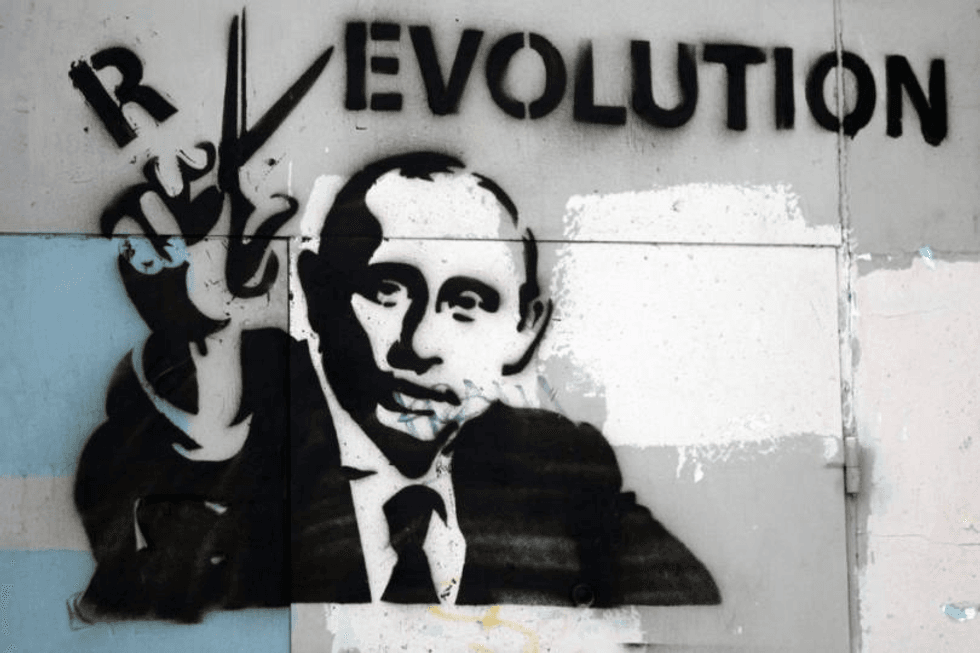
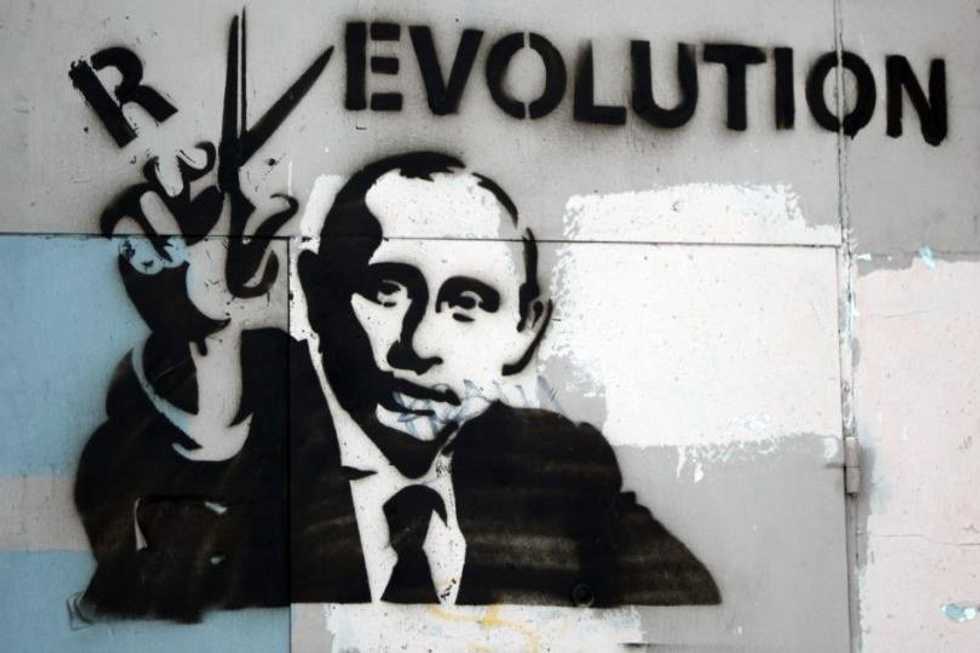
This image displays the Russian leader Vladimir Putin who has become known for his strict and authoritarian attitude in foreign affairs. The image was put up in Moscow before the 2012 Presidential Election in which Putin was elected. The image is very telling of Putin’s attitude towards other countries and expresses concerns about his Presidency.
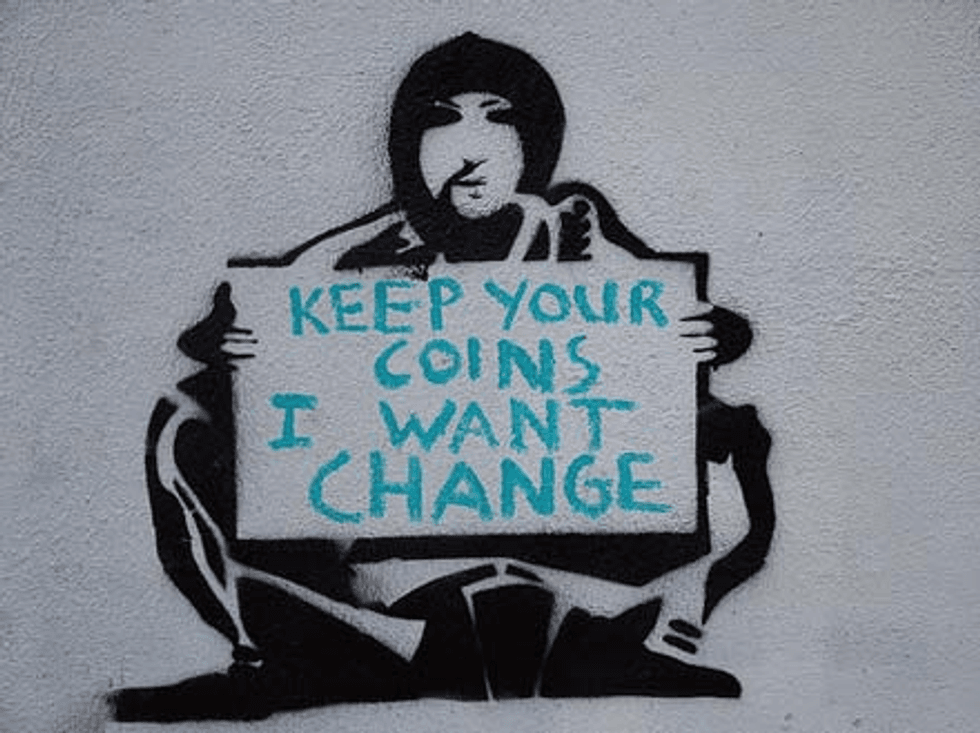
Political graffiti can protest anything from political leaders, to conflict, to frustration with a larger system. This is another piece attributed to Banksy protesting the continuously growing wealth disparity in the West.
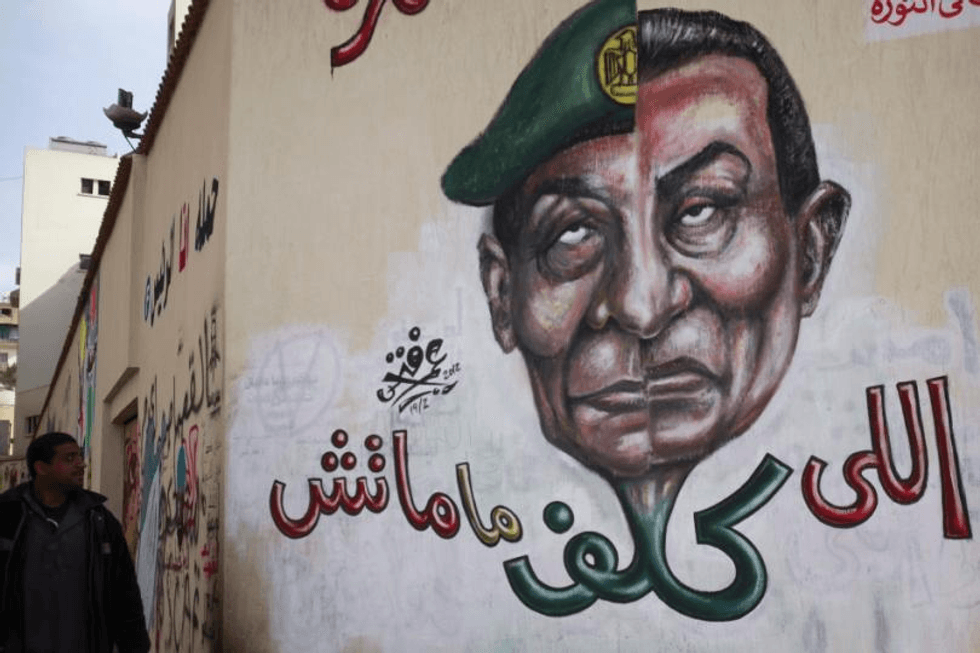
This piece of graffiti artist melded the face of the ousted President Hosni Mubarak with Field Marshal Hussein Tantawi, a high ranking military and political figure. The image, located in the heart of Cairo, was created in 2012 in response to Tantawi’s leadership between presidential elections. Many Egyptians felt that Tantawi was no different than Mubarak in his treatment of the people.
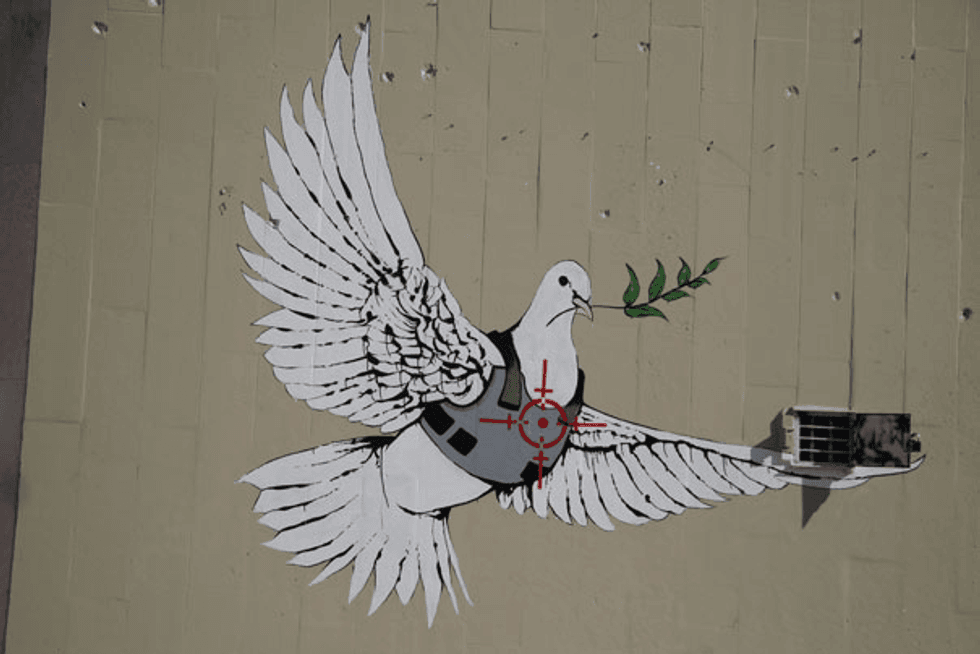
This image uses no words, but communicates a very strong message about attempts to bring peace to Israel and Palestine. Regardless of whether you support Palestine or Israel, the message behind this image is clear. This piece is part of a series created by the street artist known as Banksy. Banksy in an English street artist who has become known for his politically charged images. In recent years, Banksy has created a set of images on or near Israeli and Palestinian walls to draw attention to the tension and instability in the region.
I have a newfound appreciation for graffiti because, to me, all of these images point to something larger. I think they point to the idea that people will always find a way to express themselves, regardless of the system of regime that is surrounding them.