
If you are like many smart phone users, you own an iPhone, and odds are, you own an iPhone 5 or newer model. These newest iPhones are great. They have bigger screens, better picture quality, and get faster and faster with every new model. While we love our iPhones, there is one thing not so great about these newest devices: the Lightning charging cable.
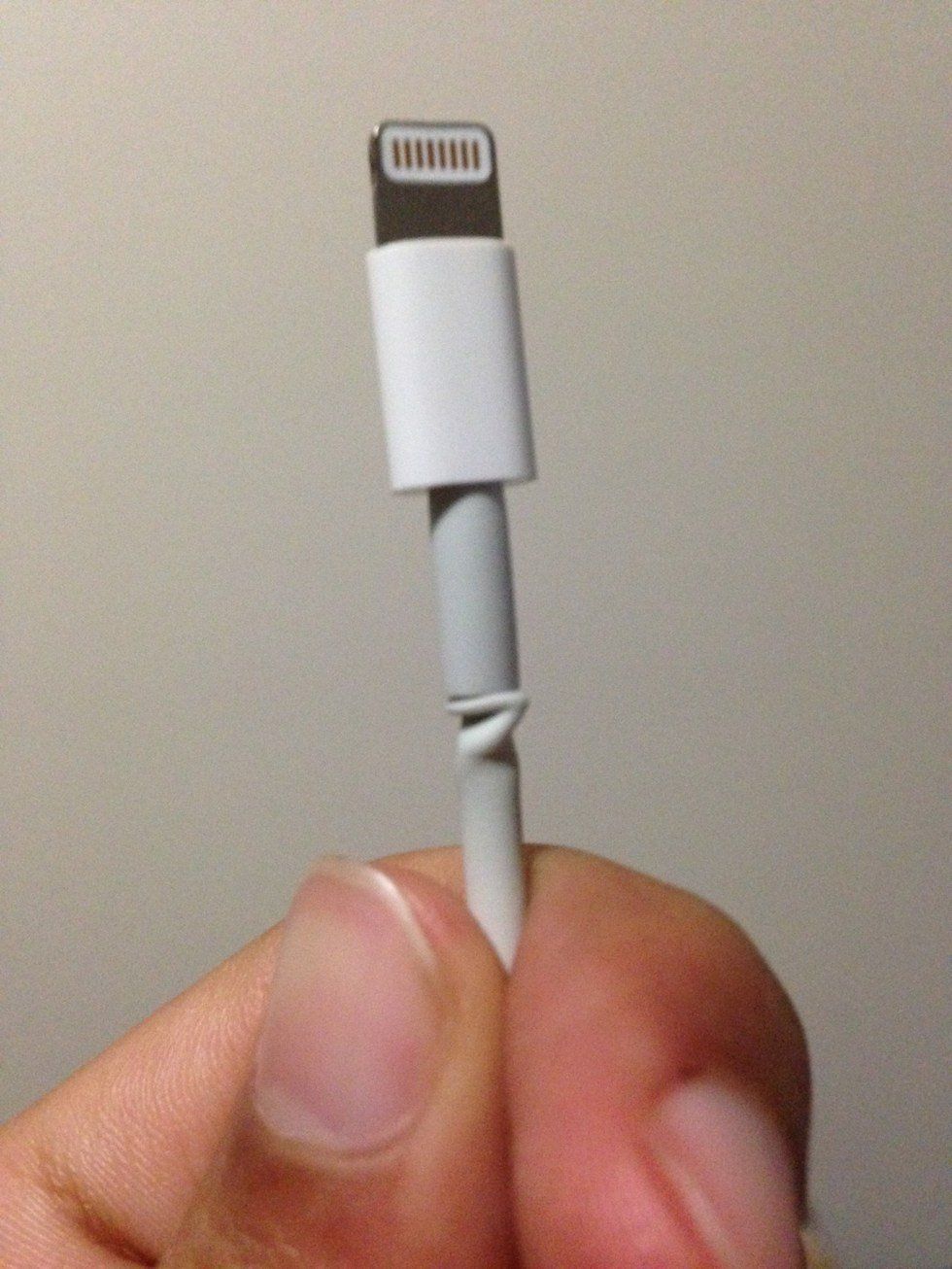
The Lightning cable was introduced as the USB cable for all Apple mobile devices with the launch of the iPhone 5. This cable's port, as you are probably aware, is about a quarter of the size of the old 30-pin cable that Apple had been using for years. Despite the gripes many people had about Apple changing the charging port just to make money since people would have to purchase new accessories for their devices, the Lightning cable seemed great when Apple introduced it. It was smaller and sleeker, and was reported to charge devices faster than the old 30-pin cable. However, when people purchased their new devices and used their Lightning cables, they discovered their greatest pitfall -- these cords break extremely easily.
To put the fragility of Apple’s Lightning cable into perspective, I have gone through many of these pesky little charging cords. I consider myself to be someone who takes good care of her electronics and am not particularly hard on devices. With that being said, I have had my iPhone 5 for just over a year and a half and I have gone through six Lightning cables. That’s a lot. To put this into even more of a context about how awful these cables are, I had previously owned a 30-pin cable that I used for six years -- from the time I got my first iPod mini in 2007 until I retired my iPhone 4 in 2013.
If you own one of the Lightning powered Apple devices, you probably have experienced similar difficulties and frustrations with your cables. Apple products are far from cheap, and many of us wonder why a company that used to boast supreme quality and customer satisfaction (particularly under the leadership of the late Steve Jobs) would allow these cables to continue to be so poorly constructed.
The flaw seems to be in the general design of the Lightning cable, not just in Apple produced cables. According to an examination of this issue by Quora.com, it seems that the smaller charging end of these cables, as compared to the larger end of the 30-pin design, makes them much more fragile than the old cables. When bent at strange angles such as when laying in bed and trying to stretch the cord or resting the charging end on a surface, it seems that the design of the Lightning cable allows the wires inside to become loose, making the cable useless. Unless you charge your newest Apple device lying flat on a table and don’t touch it while it’s charging, you have probably experienced the frustration of your phone charger only working when the phone is held in certain very careful positions. For this frustration, you can thank Apple.
For those of you who like dramatic ideas or are critics of Apple, Inc., others have blamed Apple engineers’ negligence and obsession with aesthetics over quality for the finicky cable. Many people have accused Apple of knowing that the cable would not work as well as the 30-pin cable, but deciding to change the design due to its more visually pleasing look, comparable to the micro USB port used by Apple’s main competitor, Android powered devices. Some have taken it to an even more cynical level, accusing Apple of knowing about the design flaws, but not changing them because they knew people would continue to buy the cables to replace the broken ones, generating some extra dough for the company.
Whatever your opinions on Apple, we can all agree on one thing: Lightning cables suck. They break easily, are not cheap to replace and frustrate iPhone users around the globe. Whether it is due to a design flaw, or a corporate scheme, Apple needs to do something about these pesky cords, returning to the old values of customer satisfaction from its previous days.