For the purposes of context, I’m a white American born and raised in Nairobi, Kenya. Growing up, I often experienced the visits of various American travelers as they came and went. Each group was unique in many ways. They had diverse purposes, personalities, quirks and talents, but there was one thing that united them — they all were, at one point during their trip, treated to some kind of cultural show. Indeed, for many of them this was a highlight of their trip because it seemed like the peak of their involvement with the Kenyan culture. However, it was not the peak. In fact, the peak of their involvement was undoubtedly the unplanned interactions with Kenyans. It’s remarkable that we have come to value a cultural show as being a more fulfilling way of interacting with other cultures than actual interaction. Spending time with and talking with people from other cultures is what it means to interact with that culture. A show featuring traditional dances, while informative and entertaining, does not actually imply involvement with that culture because an audience is limited in how it can interact with a stage.
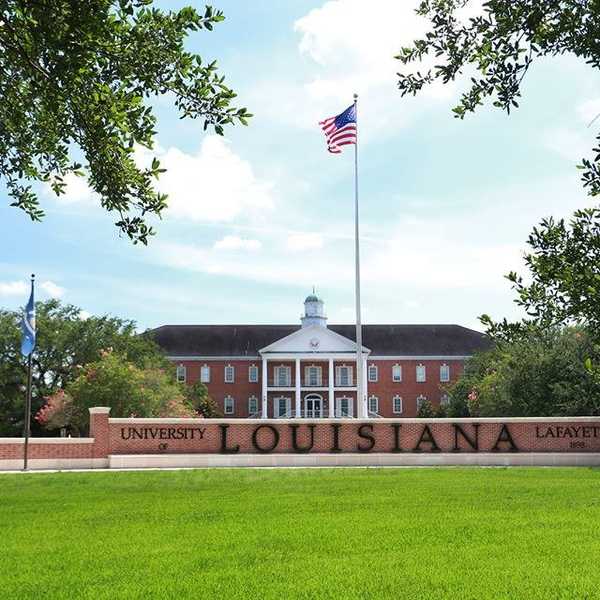
This sounds like a point that should not have to be made. I doubt many people would disagree that relationships create better understanding than speeches and performances. And yet, this idea of a cultural showcase being the peak of interaction has filtered beyond the plight of the tourist and onto college campuses. I am just now nearing the end of my first semester attending George Fox University (GFU). I remember my first day on campus. Being from an international and multi-cultural setting, I attended the multi-cultural welcome. It was here that I first discovered that students who are referred to as multi-cultural scholars are members of a separate entity on campus called Mosaic. To be honest, I was ecstatic to hear that GFU was creating scholarships specifically for multi-cultural students because, coming from a diverse background, I craved a wealth of culture at my campus.
My first concern came when a speech was given by the director of Multi-Cultural Life. Nothing was wrong with the speech. In fact, she was a very good speaker, she made a fine point and I did, indeed, feel welcome. The thing I could not escape thinking about was the fact that my campus had a director of Multi-Cultural Life. Maybe, I need to explain. My whole life has been a multi-cultural life, but it has never been directed. The idea that multi-cultural life requires some sort of management is, at it’s core, misaligned with my understanding of what a rich multi-cultural life entails and with my experience of said rich multi-cultural life. I grew beyond my initial suspicion of this corporate terminology being applied to a natural and beautiful experience, and I started getting caught up in classes and friends, as college students do.
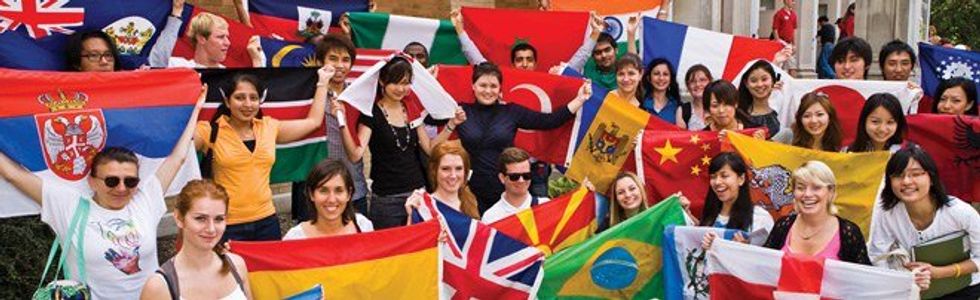
Later, I heard Mosaic had planned a program, and I was excited. It was called World’s Got Talent, and they had all the multi-cultural students at our campus perform. The performances were good, and after each performance, the student was interviewed to explain the cultural significance of his or her performance. This, to my knowledge, is the only cultural interactive experience that this multi-cultural program, Mosaic, has planned on campus. The idea of cultural interaction coming from a showcase is somehow ingrained in people’s fabric.
All that to say, multi-cultural life does not exist on a stage or in a spreadsheet. Multi-cultural life has to happen in a living room, the most natural space where people feel at home. Do not make multi-cultural life synonymous with multi-cultural celebration. Celebration is cheap — life and experience are challenging.