


As a person who lives on the Coast of Maine, it is very concerning to know that the ocean is rapidly taking over the main lands. When I stand outside on my widows walk, the Atlantic Ocean stands before me less than a quarter mile down the road. However, with the climate changes and sea levels rising, the chance of getting waterfront property is likely.
This epidemic threatens the underwater ecosystem maintaining all sorts of organisms, disturbing the food chain cycle.
"Big changes are occurring in one of the fastest-warming spots on Earth," the Portland Press Herald wrote.
The increase of water elevation causes submergence of land due to climate change throughout the distance of southern Nova Scotia to Cape Cod. Of course, this change is inevitable with the constant evolution of life.
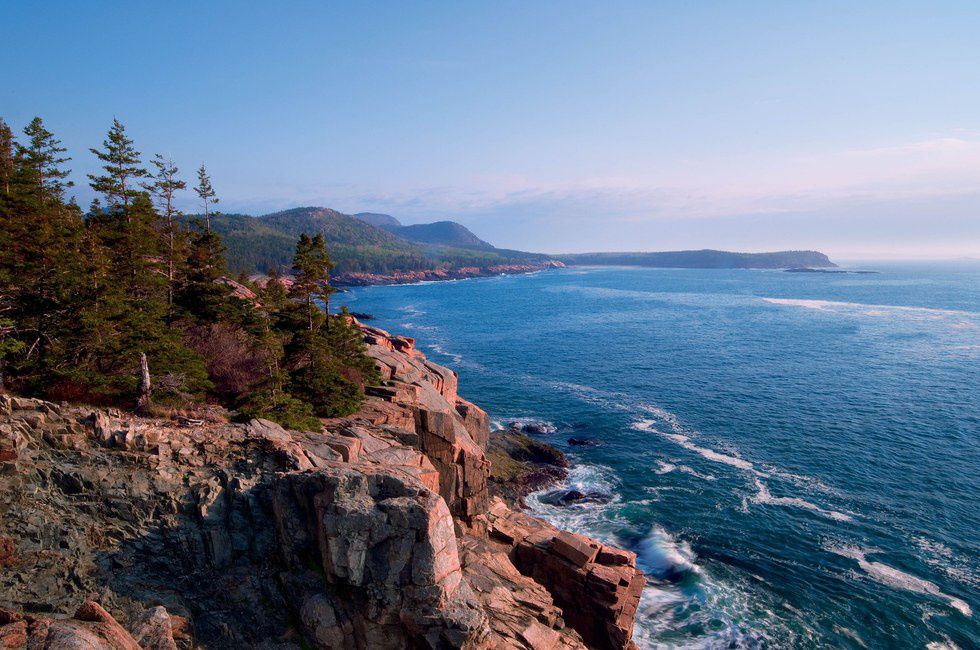
The water elevation increases depend on the architecture of two underwater islands, Georges and Browns Islands, that control the tidal directions of the Coast of Maine. The deterioration of these islands is the main reason for the increases.
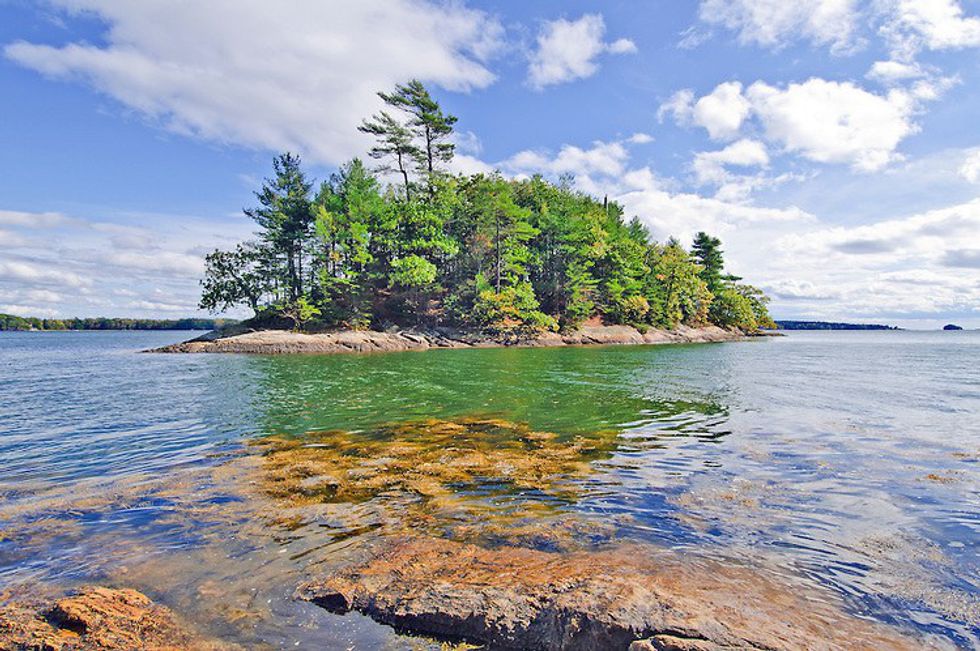
Along with this increase, the water is also getting warmer due to channels from southern coasts intermingling. In this transaction, a whirlpool is formed conjuring nutrients from the bottom that react to the sun and elicit heat. The earth is also challenged by human’s large carbon footprint that aggravates the sun to elicit more heat.
The marine life may not be adaptable to these changes. Because of this temperature increase, there will be a decline in phytoplankton and calanus finmarchicus, which are a major food source to fish, said Sylvie Guenette, a fisheries biologist of St. Andrews, New Brunswick.
Without zooplankton, this will cause the food chain to trickle and eventually reach humans that eat fish. If there are no fish, then the fish market will decline as well, forcing seafood restaurants to close down.

This is a continuous chain reaction. In order to delay heat increases, a suggestion of minimizing one’s person carbon footprint by limiting usage of fuels could be beneficial. Even the smallest change in a person’s daily routine can impact the world in a huge way.
It works both ways - currently, humans are making negative changes to increase the temperatures. However, if we work together with positive alterations, the climate change might just delay a little.