Imagine you’re out shopping, and you are in awe of a beautiful sight… a bright, bold, neon sign in front of your favorite clothing retailer reading: $20 JEANS.
What. A. STEAL. Any college student on a modest budget would jump on this sweet deal without hesitation. Every now and then when I’m in need of some retail therapy, I browse for good deals on clothing. Sometimes when I come across something as good as $20 jeans, I can’t help but think it’s too good to be true.
While most of us would be floating on Cloud 9 after purchasing an awesome pair of jeans, there is an unsettling reality behind the manufacturing process of this single pair of jeans. In this article, I hope to bring to light the terrible cost of conglomerate clothing brands and at what cost clothes are actually worth.
Unfortunately, a lot of big name brands thrive off of sweatshop labor, which means that the manual workers (mainly women and children) are paid very low wages for extensive hours while operating under poor factory conditions that violate two or more U.S. labor laws. The following brands have been involved in various sweatshop scandals. Here are some of those retail brands that should be avoided if you choose to shop ethically:
Forever 21
H&M
GAP
Zara
Victoria’s Secret
Nike
I know, you’re probably thinking that the alternative ethical retail stores are more expensive and unrealistic to shop at for broke college students... I totally sympathize. You feel like your hands are tied, right? I was feeling the exact same way—going to a university that values social justice has had a great impact on my moral values. These values led me to find realistic solutions for us, students, who desire to leave a positive impact on the world and be catalysts for social justice.
Here are some inexpensive suggestions for maintaining an ethical (and sustainable) wardrobe:
1. Shop at consignment and/or thrift stores.
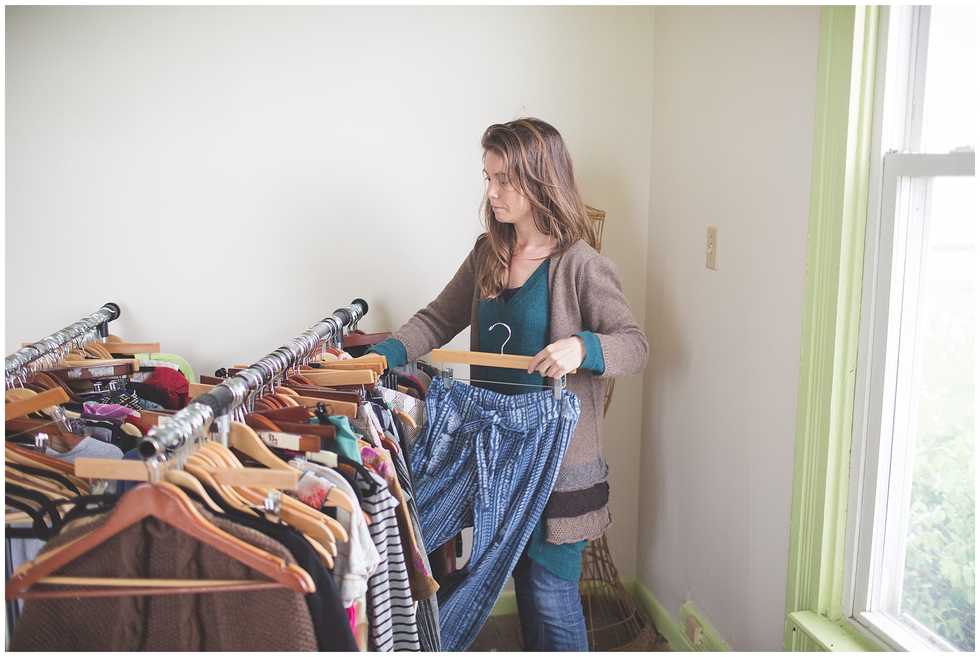
You’d be surprised by some of the super stylish outfits people have created solely from previously used clothing.
2. Host a clothing exchange party with some friends!
Use this opportunity to snag that sweater you've had your eye on that your friend's tired of wearing, and in the meantime get rid of any of your unwanted clothes while hanging out and get free clothes in exchange!
3. Learn to DIY!
I know learning how to sew may be a daunting challenge, but make it a goal! It’s extremely useful, and you can adjust, mend, and reinvent something new out of old clothing. Check out some sweet looks and find inspiration from Pinterest.
After committing myself to purchase only mindfully manufactured and fair trade clothing, I have had to do extensive research on the most affordable ethical/sustainable apparel. Here are some awesome ethical brands I've discovered that don’t break the bank:
1. Citizen and Darling
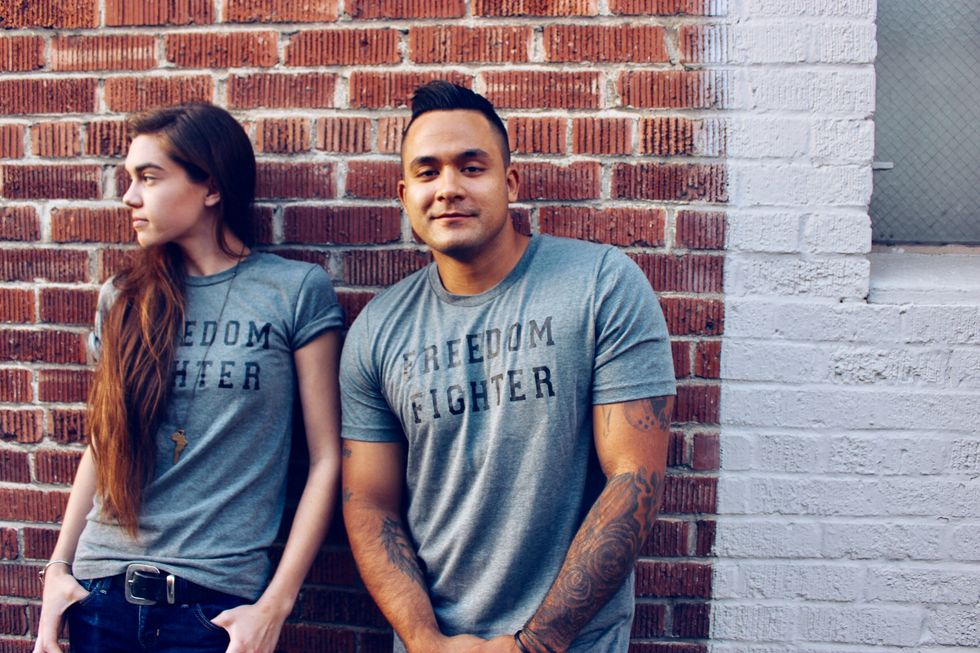
2. Elegantees
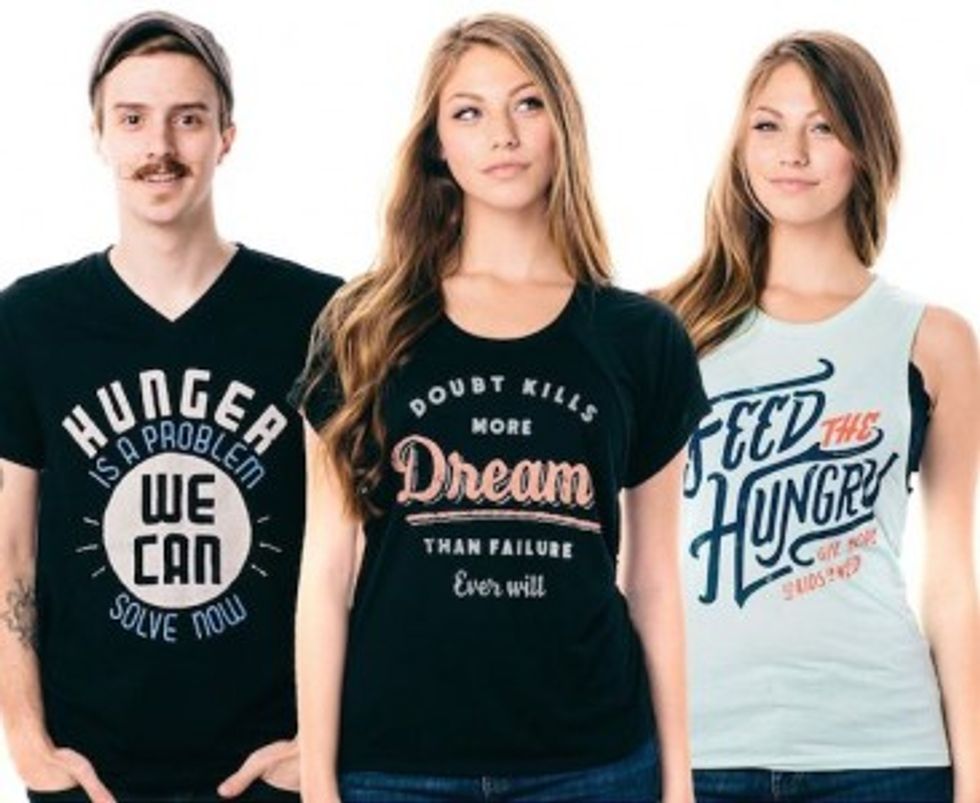
3. Sevenly
This is one of my personal favorites because $7 of your purchase goes to the company's charity of the week (plus their shirt designs are SUPER cute).
4. Patagonia
5. Levi’s
Yes, this wonderful, famous brand of denim was named one of the most ethical brands in 2014 by Project Just.
6. Everlane
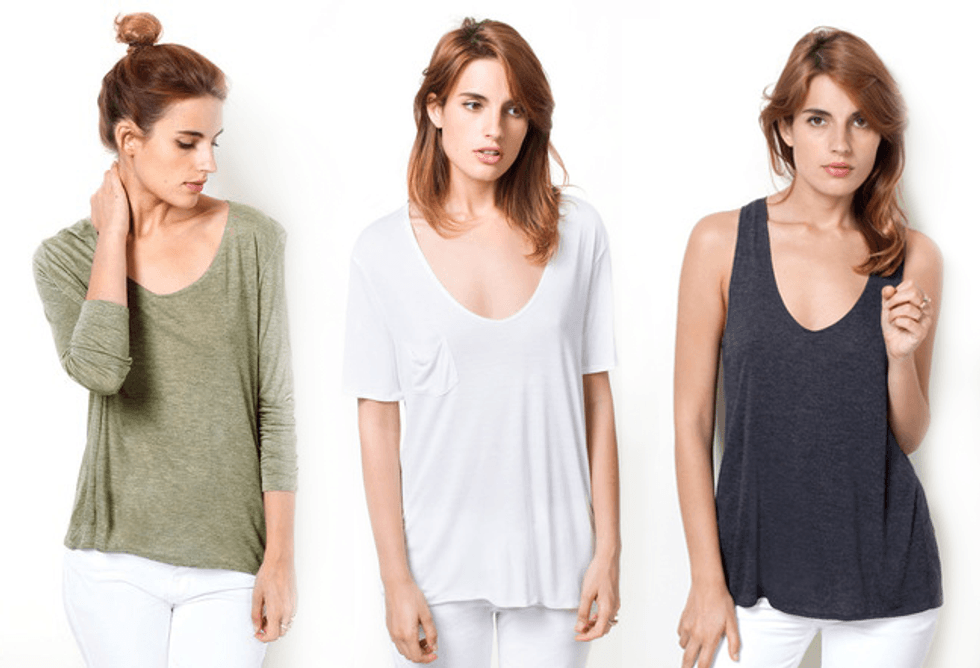
7. Alternative Apparel
This is an awesome source for your basic tees.
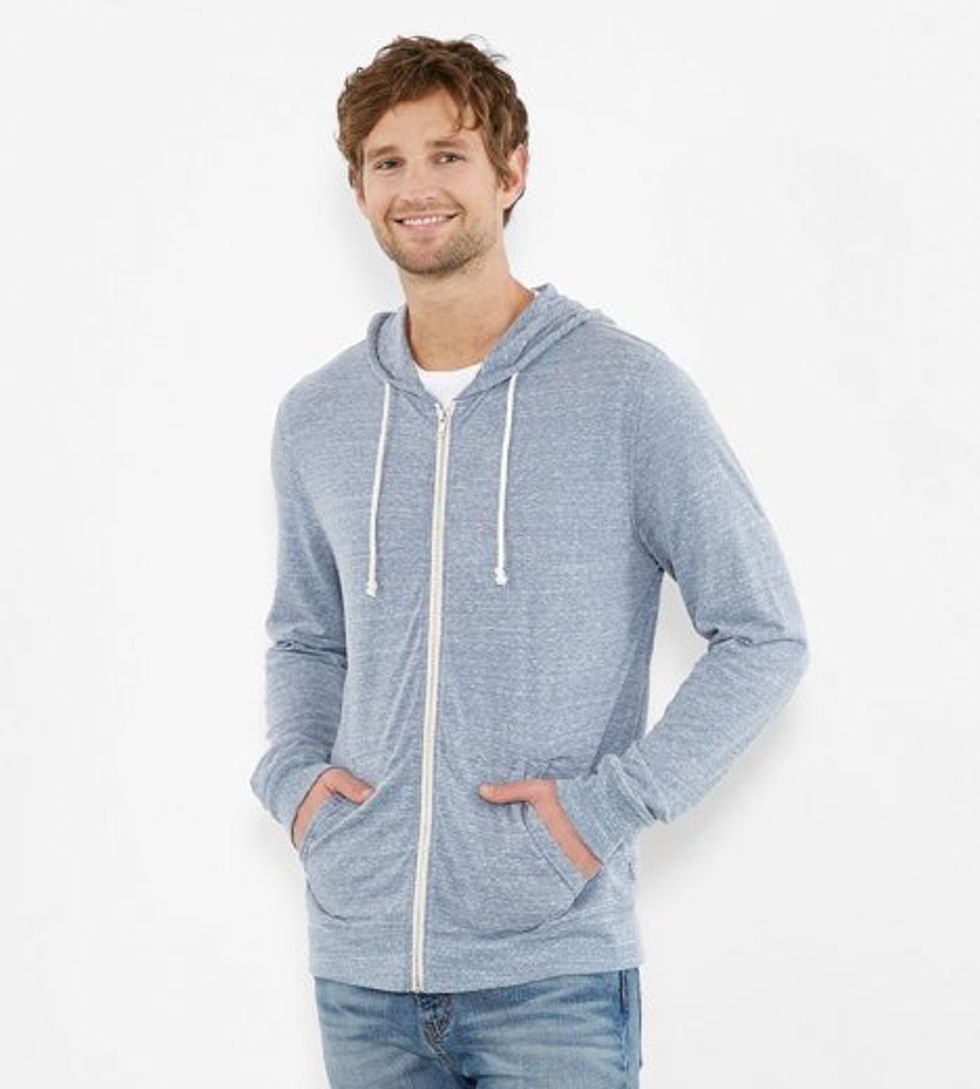
8. Threads for Thought
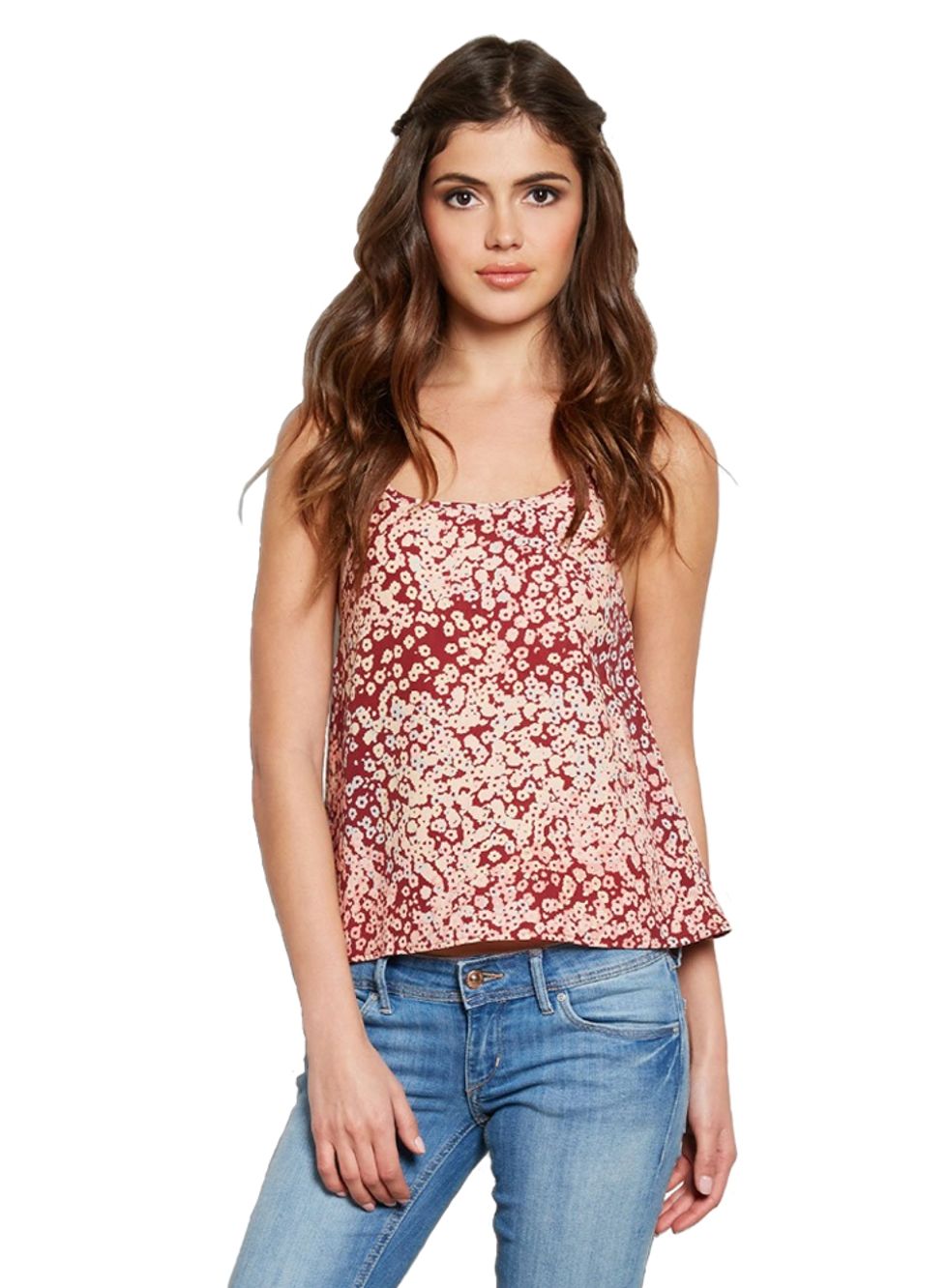
9. Amour Vert
And for plus sizes as well:
10. Fresh Produce
11. Smart Glamour
12. Synergy Organic Clothing
In conclusion, I can't stress enough how amazing you can feel about wearing clothes from brands that you support. By selecting fashion brands which focus on quality and the lives of those manufacturing the apparel rather than on profit, we can revolutionize the world of fashion. I think it’s safe to say that all moral people agree that no one should have to suffer or die for fashion—it’s as simple as that. Transition your shopping mindset from bargain hunting to intentional spending. If you’re going to spend money on new clothing, you might as well look into spending it on an article of clothing that also benefits the very hands of who made it, right? I’ve only scratched the surface of what it means to shop ethically, but to summarize the factors you should look out for while shopping, it's best to choose clothing that is:
1. Eco-conscious materials (recyclable/sustainable)
2. Locally produced
3. Profits philanthropic causes
4. Cruelty-free
5. Preserves artisan tradition
Let’s just not start a trend, but spark a movement to promote an ethically fashionable fair-trade lifestyle.