


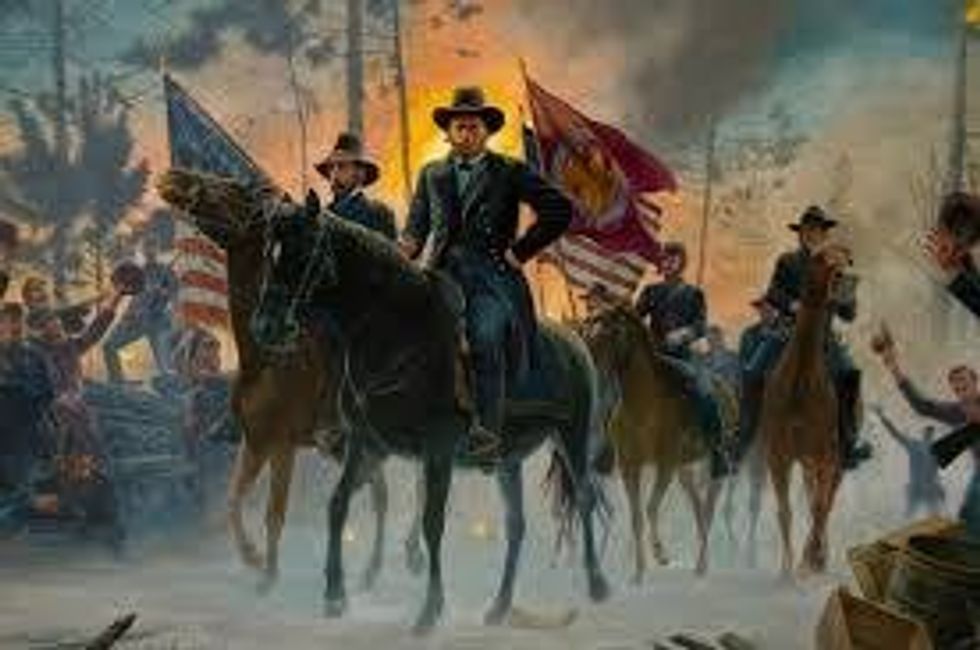
When reading about the past, one can gain a general understanding of a particular location and the events which occurred in that space. A completely different appreciation for the stories and personalities involved is gained when you have your “boots on the ground” and are visiting the places you read about. This sentiment plays itself out when visiting a historic structure or a battlefield. Within the National Park Service, nearly 70 of the 400+ units have a connection to the American Civil War. (For a list of relevant national parks, go to http://www.nps.gov/cwindepth/cwparks.html) For example, Fredericksburg and Spotsylvania National Military Park (http://www.nps.gov/frsp) preserves and interprets four battlefields which had effects on the course and, ultimately, the outcome of the War: Fredericksburg, Chancellorsville, Wilderness and Spotsylvania Court House.
One of the most important campaigns of the War, a campaign which began the 11-month journey to Appomattox Court House, started in a small cornfield in Orange County, Virginia. In this article and its subsequent chapters, we’ll take a look at why you should visit sites associated with the Overland Campaign and what you should see during your tour. The first battlefield to take a look at is the Wilderness Battlefield, a site largely overlooked. This battle, fought on May 5-6, 1864, marked the first time that the two titans associated most with the war, Ulysses Grant, and Robert E. Lee, clashed with each other.
As the name suggests, the battle was fought in a dense, second-growth forest of 20-30 foot high trees, with much underbrush growing underneath. This caused problems in maintaining individual unit cohesion in moving through the woods. After two days’ worth of fighting, Grant lost roughly 19,000 of the 120,000 he entered the fight with while Lee had 11,000 casualties of his 60,000 man army. This battle marked a turning point in the war, with neither side retreating after the battle. On May 7, instead of returning back to Washington D.C. and leaving Lee in command of the field, as many of his predecessors had done, Grant turned south towards Richmond, forcing Lee to shift with him to protect the Confederate capital. This battle also began a new style of warfare with both sides entrenching (digging trenches) on a fluid battlefield.
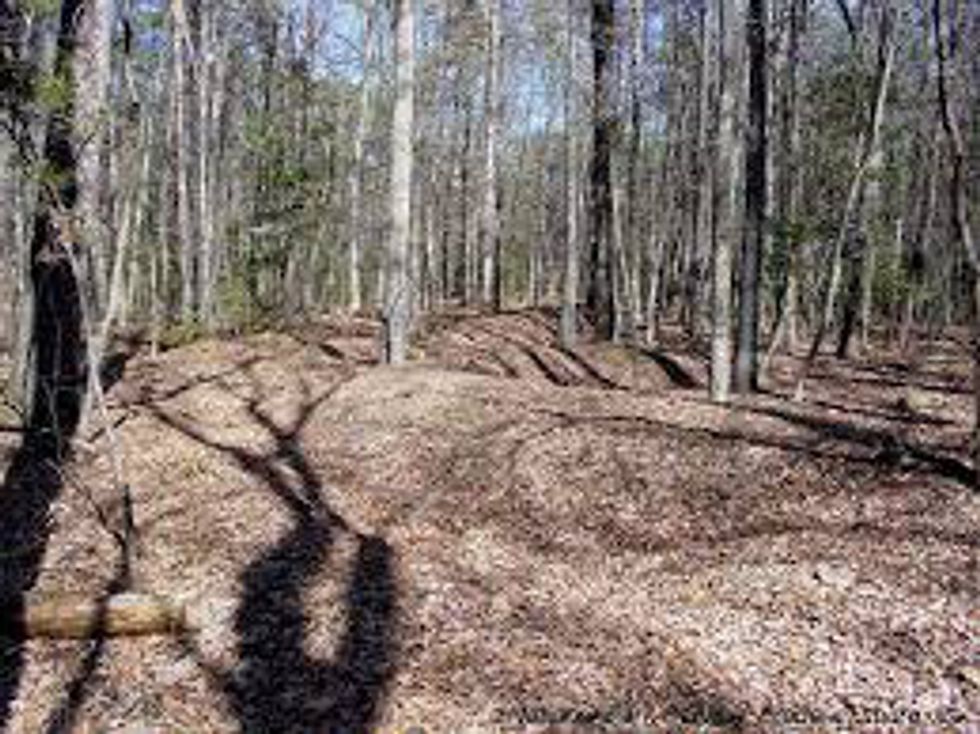
Trenches of Confederate soldiers near Saunders Field.
This style of trench warfare which began in the Wilderness, improved upon over the subsequent half century, saw itself in practice once again along the Western Front of World War I.
There are two stops on the battlefield which are worth a stop to help better understand the confusion and to see the new method of trench warfare in action.
Stop 1. Saunders Field
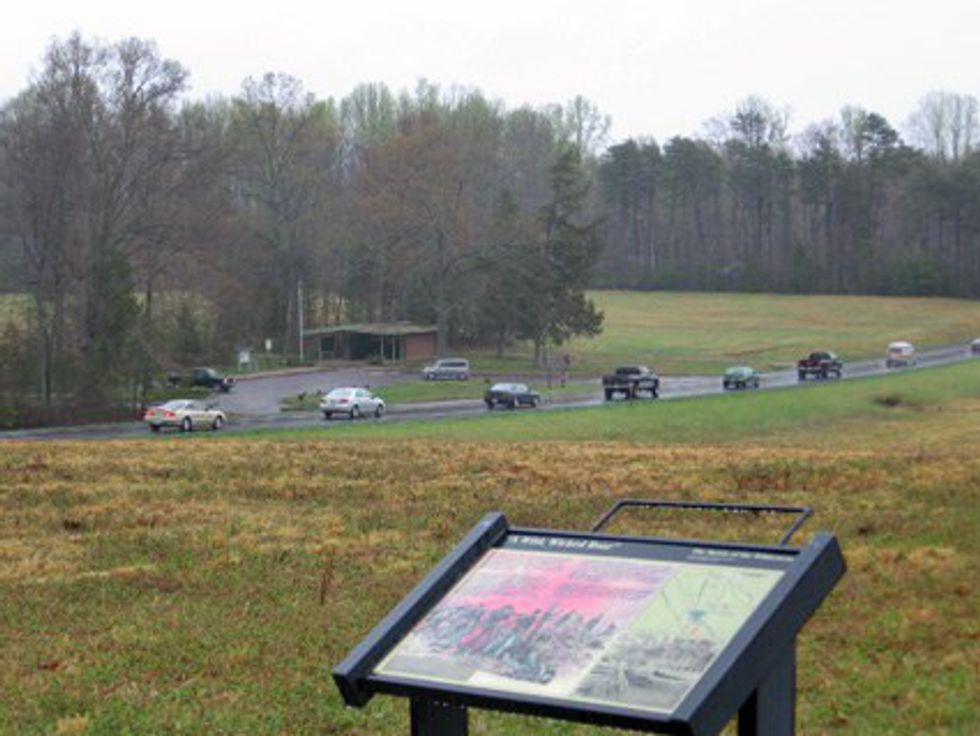
This is the second/third stop of the Park’s self-guided auto tour for the Wilderness Battlefield. If you were standing here in the early afternoon of May 5, 1864, you would be witnessing the first shots of the battle. Union soldiers on Gouvernor Warren came across this open field and advanced slightly uphill to encounter the veteran soldiers of the Confederate II Corps on Richard Ewell. While some of Warren’s troops were successful in breaking through the Confederate line, fresh Confederate reinforcements from Georgia helped to turn the tide against the union attackers. While the confederates were successful in pushing back the federal soldiers, neither side truly gained or lost anything on this sector of the field. The highlight of this stop is the Confederate trenches which were dug throughout the day on May 5 and improved upon during the course of the battle. These trench lines, which extend deeper into the woods, trace the Confederate line during the battle and give a sense of the change in warfare from simply standing in straight lines and firing at each other to assaults being made against an entrenched enemy force and showing the necessity of having to dig in to survive.
Stop 2. Brock Rock-Orange Plank Road Intersection
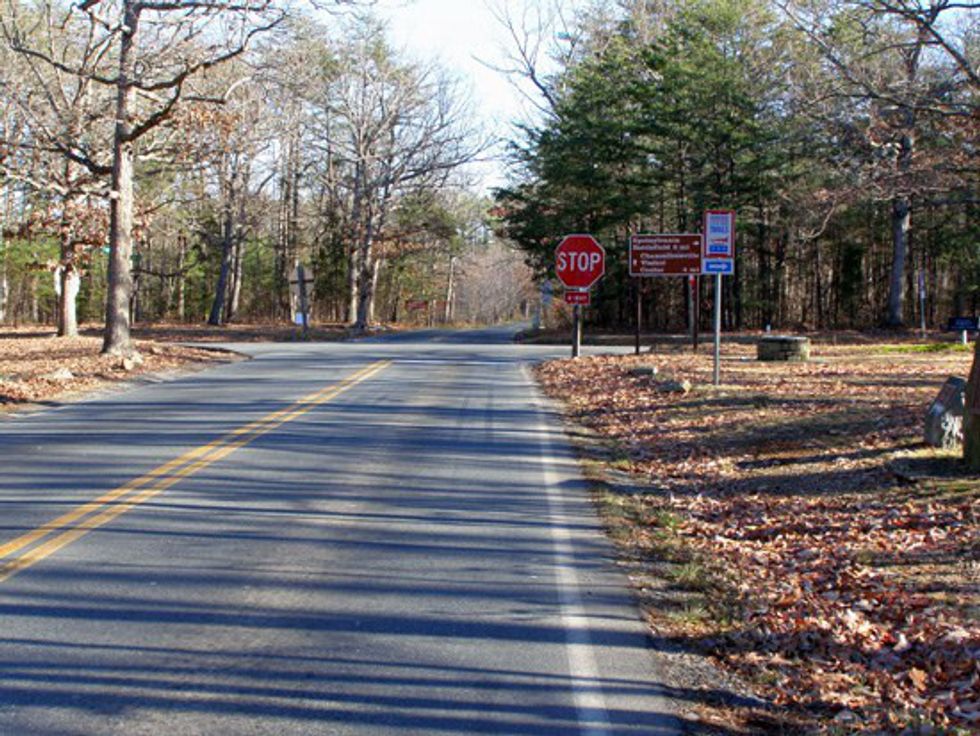
The other sector of the fighting in the Wilderness occurred around this intersection, stop 8 on the battlefield’s auto tour. When the fighting began in Saunders Field, Grant sent other troops to secure this important intersection which would allow him to shift troops along his entire line while also keeping a key route towards Richmond open. The lines were stabilized along the Brock Road overnight going into the 6th, allowing for the federal soldiers to begin digging in while preparing for the biggest attack of the battle. In the pre-dawn hours of May 6, over twenty thousand soldiers moved through the woods from this point towards exposed and not entrenched right wing Confederate army.
While ultimately successful in breaking through and threatening the rear of Lee’s army, timely reinforcements saved the day and counter-attacked towards this intersection. In the early evening hours, Lee led his largest attack of the battle in breaking through this intersection, causing the federal entrenchments to catch fire. Ultimately, union soldiers were able to solidify and maintain control over the intersection at the close of the fighting. Highlights at this stop include the Vermont Brigade monument (along a half-mile trail through the woods) along with the remains of federal trenches.
It is also at this intersection that the turning point of the War occurred. On May 7, Grant made the decision to turn south on the Brock Road in not turning back, but continuing to wage the fight against Lee. There would be no turning back for the next six, the armies would be in constant contact with each other all the way to the doorsteps of Richmond. Next stop: Spotsylvania Court House.

















