As a college student, I’m constantly being taught to critically evaluate information. I grew up in a Christian home (Mennonite, to be specific) and have always had a strong sense of the reality of God. But when pastors or other Christians start to talk about certain doctrines and beliefs regarding abstract ideas like salvation, heaven and hell, I have a hard time believing it. I hear mainstream “Christian” language about salvation and I can’t help but think about the harm that Christian evangelism, paired up with colonialism and patriarchy, has caused. I’m always full of questions about religion, both in terms of philosophy and in terms of practice.
All of these questions are a big part of the reason I took a liberation theologies class this spring. I had the chance to learn about theology from black, queer, feminist, womanist and indigenous perspectives. I learned about ways that the mainline Christian church has victimized these groups and the ways that they have reclaimed the Christ narrative to reflect the God they believe in. I was inspired by the new vision of God that I read about: a God who identifies with the oppressed and works to put the world back into right relationship.
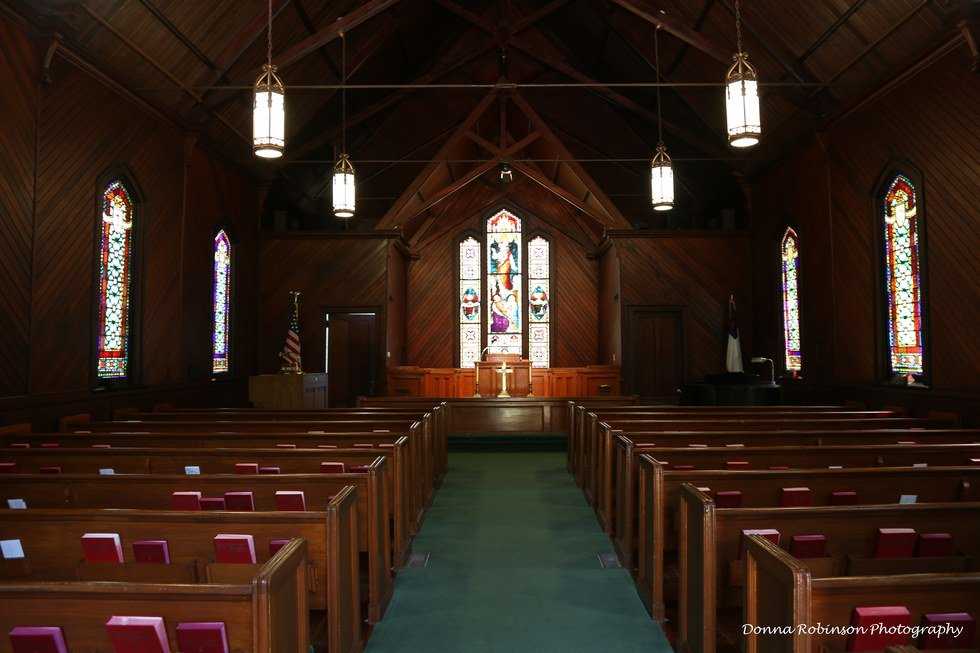
Every time someone has a question or a doubt, it’s a reminder to the church to be accountable to the lived experiences of people. If churches really want to minister to doubters, they need to stop condemning questions. The answers aren’t going to come in a quick-and-easy way. Plenty of the time they won’t come at all. As long as I am in a church setting where questions are welcome, I want to keep attending, no matter where I'm at in my own beliefs. There’s something about walking into the doors of a church and listening to the way other people wrestle with big questions that gives me hope. I go to church because I believe in something bigger than people, sometime good, and I think it’s God.