
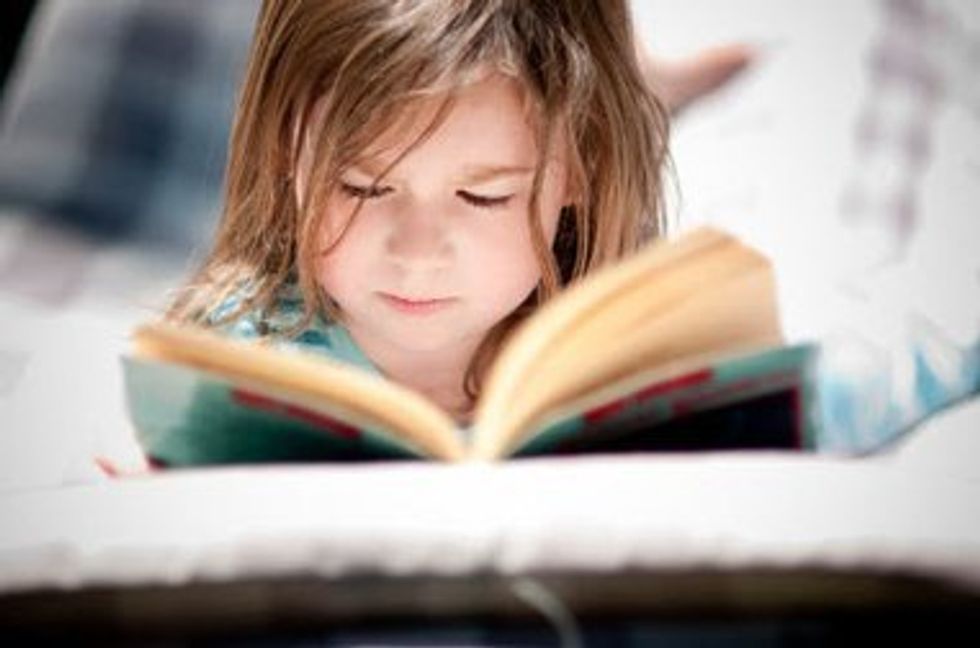
Remember when you were little? The joy of everything was that there were no worries; I lived absolutely carefree and the pictures are proof of that. There’s me on a mountain in Oregon, a big smile peeking out from underneath a bright pink jacket. There was me on my first birthday, my first Christmas, first Easter—everything was new and I wasn’t scared of it (except the photo-ops with creepy Easter bunnies).
And so that’s why I wonder: what happened?
Why am I afraid of things that are changing? I find myself afraid of the future, afraid of what kind of job I may be stuck in, how I’ll pay off college or pay for my future apartment. I’m afraid of growing up.
I want to go back to when I was little—I want that same kind of acceptance, I want to be as carefree as I was then.
My solution to my problem? Revisit those stories that I loved as a kid. They taught me at that age how to paint worlds of my own, with fantastic creatures. I am lucky to say that is one trait that I have carried with me into adulthood and one that I continually build upon. But as for that exalted, free spirit? I think I left that behind in my books.
There’s something about childhood, and I’m sure it wasn’t only mine; there’s a certain magic that lives within it, a certain magic that helps every child soar.
And perhaps, that magic can help an adult soar, too.
Without further ado, here are a few children’s books to reread:
1. "The Little Engine That Could" by Watty Piper.

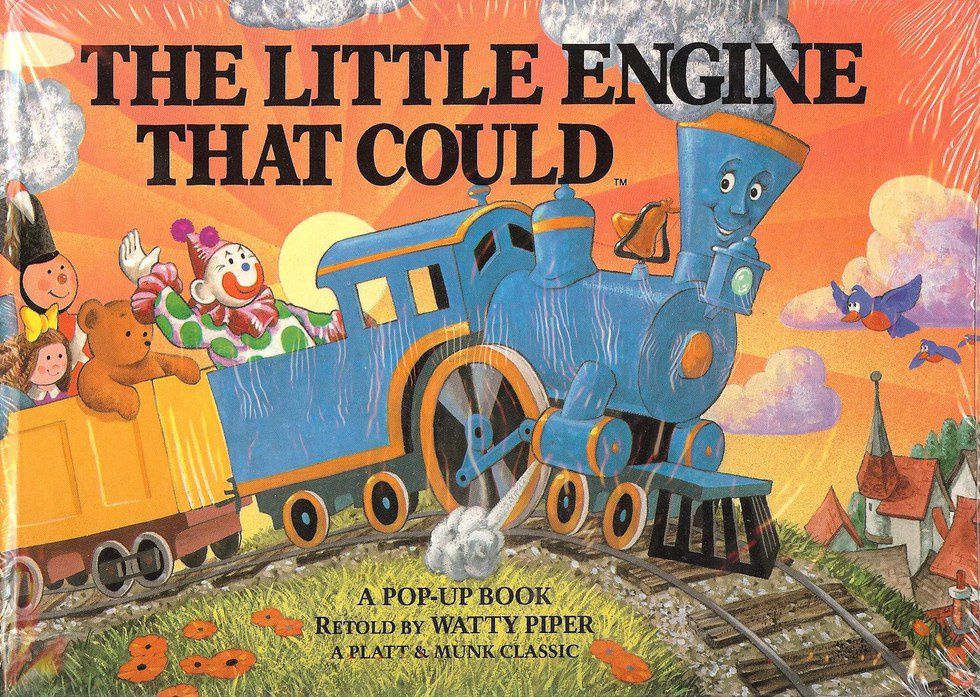
Not only is this story one that will stick in your mind for (probably) the rest of your life,
it is also one that’s effective. A year ago I was probably going through something I thought I would not survive, and I’m here today. “I think I can, I think I can,” Piper rallies. It can be annoying, because I heard it so often from my mom. But it’s incredibly effective. I am capable of more than I realize at times, and so I need a children’s book to remind and encourage me to try - just try.
2. "Oh, The Places You’ll Go" by Dr. Seuss.


This is important to remember, I think, because it tells me that I can do whatever I choose. “And YOU are the one who’ll decide where to go…” I am my own person, and I’m not obligated to do anything that I don’t want to do. And Dr. Seuss went on to tell me that I would succeed in whatever I wanted to do, that I would in fact, “move mountains.” But, before that, I may encounter things that’ll nearly make me stop. Bad things may happen, but if I preserve, Dr. Seuss said, “You’ll start happening, too!”
3. "Alexander and the Terrible, Horrible, No Good, Very Bad Day" by Judith Viorst.

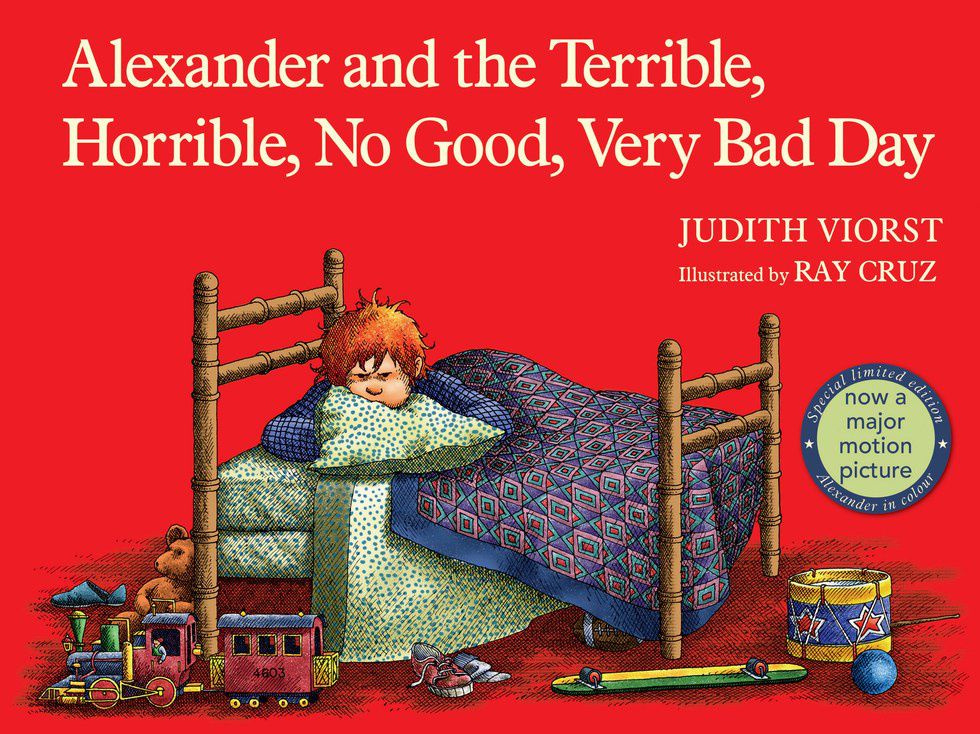
Like Dr. Seuss, Judith Viorst told me that bad things were going to happen. Of course, as a kid, the “bad” things were a scraped knee, no ice cream for dinner, and getting reprimanded for climbing the trees at school. Now that I’m older, I know what the bad things are. I know that there’s pain in the world, and a lot of it. And I know that I won’t ever be ready to face these things (and that I’ll want to run away)- but that the strongest display of my character is the fact that I’ll face them anyways. “Some days are like that, even in Australia,” Viorst explains.
4. "Harriet the Spy" by Louise Fitzhugh.

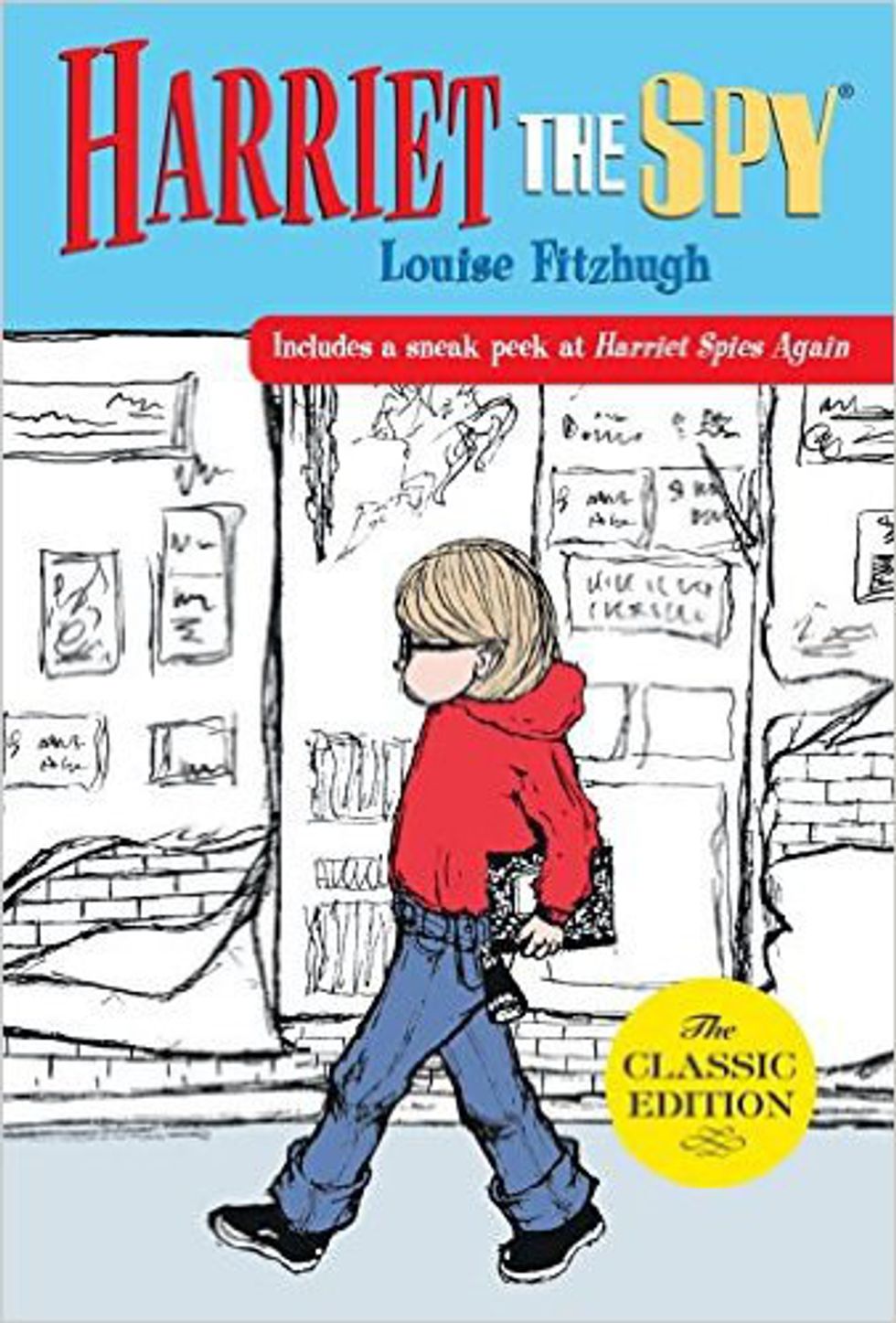
Where do I start with this one? This book had everything - and revisiting it with the knowledge I have now blew my mind. This book had marijuana references! And gender nonconformity! As a kid, I related to Harriet because she hated math. As an adult, I relate to Harriet because of her pondering through sleuthing. “Life is a great mystery. Is everybody a different person when they are with somebody else?” Louise exasperates. And, above all, Harriet serves as a poignant mnemonic, one that communicates the importance of being truthful with oneself. “Sometimes you must lie. But to yourself, you must always tell the truth.”
5. Corduroy by Don Freeman


I want to cry. I remember this story so vividly. A lot of the story follows the childhood toy, Corduroy, as he tries to repair a missing button, but it includes a strong, resonant message of friendship. Corduroy taught me that some of the people I encounter in life will become my friends, and they’ll love me in spite - and sometimes because - of my flaws. “‘You must be a friend,’ said Corduroy. ‘I’ve always wanted a friend.’ ‘Me too,’ said Lisa, and gave him a big hug,” Freeman writes.
Thank you, authors, for teaching such valuable lessons at such an impressionable age. Your lessons are still important today, and I still learn from them all the time. I will never forget you, my friends, for as long as I live. I await the day I will see you again.