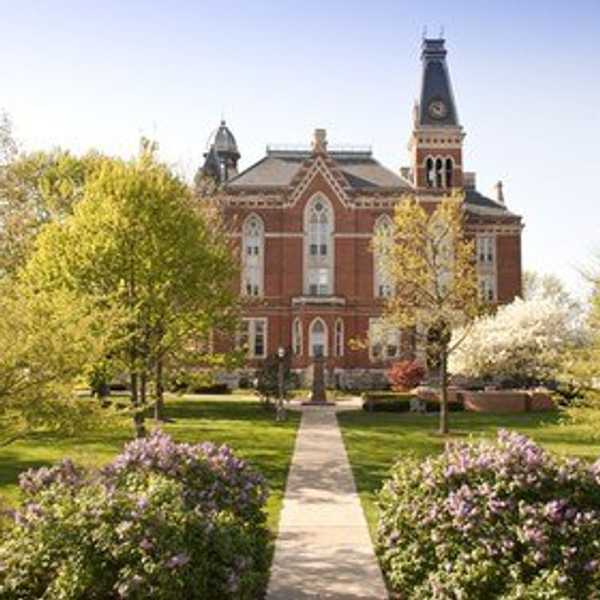
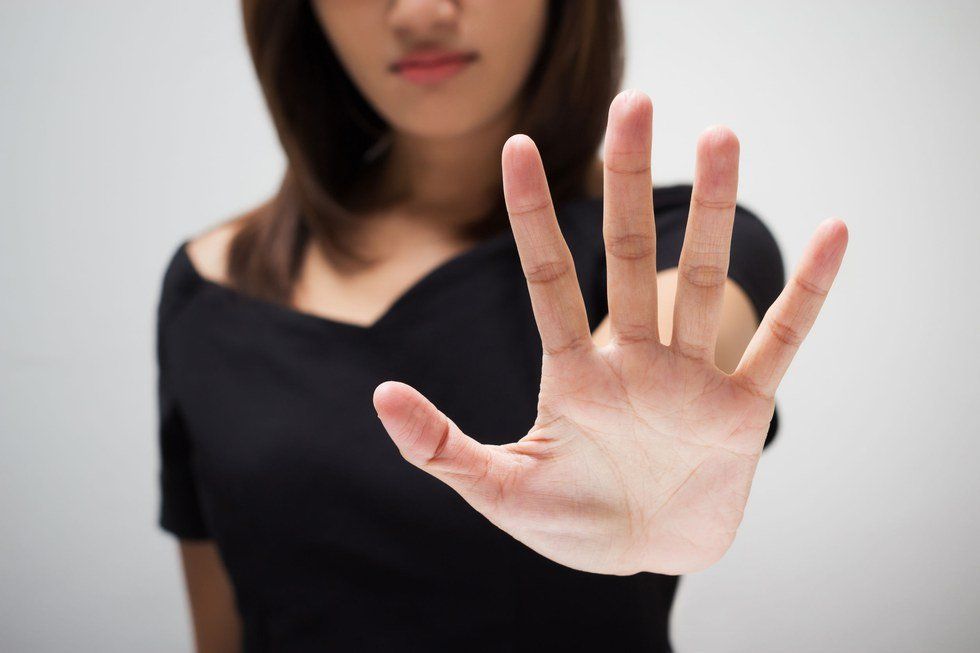

There was a time when the word college was synonymous with beautiful red brick buildings, new lifelong friendships, and, most importantly, a bright future. In recent years, colleges nationwide have come under fire for the prevalence of sexual assaults on their campuses and the shoddiness with which so many of these cases are handled. From Emma Sulcowicz (the alleged rape victim who carried her mattress around Columbia) to countless cases on popular shows such as “Law and Order: Special Victims Unit,” or Lady Gaga's newest single "Til It Happens To You" this epidemic is very much in the public sphere. But increased awareness hasn't made it go away any faster. On the contrary, many argue that campus sexual assaults are increasing in prevalence.
The Association of American Universities conducted a recent survey in which 23% of female college seniors “said they experienced some form of unwanted sexual contact” with about 11% saying this “contact included penetration or oral sex.” 26% female college seniors reported having “experienced [nonconsensual sexual contact] at some point during their four years.”
Last year, director Lisa F. Jackson released the documentary “It Happened Here” which details the stories of five women who survived sexual assaults on their campuses, including Amherst College, UConn and Vanderbilt University. As described on the film's official website, “When [these women] tried to get justice, they were ignored, belittled and shamed, while their attackers remained on campus with impunity.”
Through reaching out to my female peers, plenty have told me they do, in fact, feel safe on Binghamton’s campus, while others responded anonymously in saying they “don’t feel safe walking around alone because of past reasons,” or that they don’t feel safe at night. From carrying around pepper spray to only feeling safe walking “the main road under lights…so [they] can sprint to [the] dorm if anything happens.” Campus is meant to be students' home for four years, since when is it natural to feel threatened in your own home?
Third year commuter, Leeanne Ruffo, who, though she feels pretty safe at Binghamton, admitted this may in part be due to not “[experiencing] all facets of campus life in the same way as a student living on campus.” She recalls only having been catcalled one time on campus, and though it was in the daylight and “the sobriety of the gentlemen was in question,” she recognizes that “responding to catcallers can be dangerous” in certain situations. Though she’s had a positive experience at Binghamton, Leeanne says that, “As a woman, I walk around with a heightened awareness of that potential danger, no matter where I am, particularly when it’s dark on campus.”
Binghamton University utilizes a myriad of resources when it comes to handling campus safety, The Office of Student Conduct, The Office of Diversity Equity and 20:1 (both the Sexual Assault Prevention Program and the Bystander Intervention Program) are three of said resources. One of our very own writers, Aref Afshar, is a Victims Rights Activist who maintains that 20:1 “is highly effective at teaching bystander help, [thought] there tends to be a serious lack of accountability of university officials when it comes to dealing with these issues when they happen.”
Co-Founder and Coordinator of 20:1, Dara Raboy-Picciano, says that while, "One of the ways that all students and staff can help in this effort is through good and safe bystander intervention. Changing the campus culture so that students will intervene makes a supportive and safe environment."
While we should never fully entrust our safety to those around us and should always be on our guard, regardless of gender, age, color, etc., there’s an issue that people don’t just have that sense of security on campus. Of course, there’s a difference between feeling safe and being naïve about your surroundings, but for the tens of hundreds of thousands of dollars we’re paying these institutions to not only broaden our minds but protect us, there’s definitely a disparity between what should be done and what is being done.