Bee-mageddon. Bee-pocalypse. Bee colony calamity. All these words have been tossed around by bee keepers and scientists in the hopes of catching the general public's attention about the bee crisis. Recently, the media has turned its attention to South Carolina and the killing of millions of bees on someone's private property.
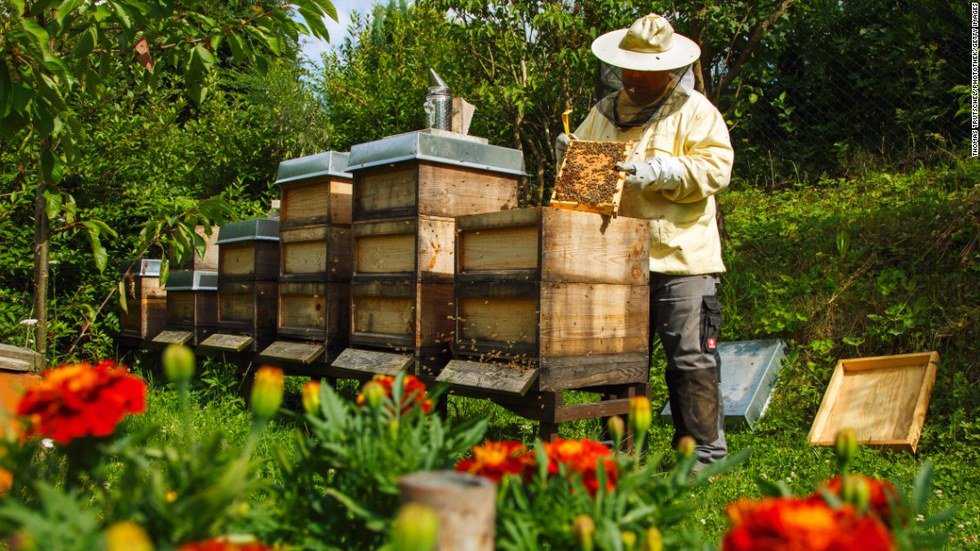
Flowertown Bee Farm & Supplies in Summerville, SC, is now completely bee-less after Dorchester County conducted an aerial insecticide spray for mosquitoes carrying Zika on surrounding areas. Owner Juanita Stanley "maintains that no one called to notify her, although in the past the county did tell her when they planned to spray from trucks." Without the notification, Stanley left the bee colony uncovered and exposed to the toxins in the insecticide. Although bees may seem like just another pesky insect, "Stanley said bees in all 46 of her hives were killed, resulting in the loss of millions of bees and her livelihood."

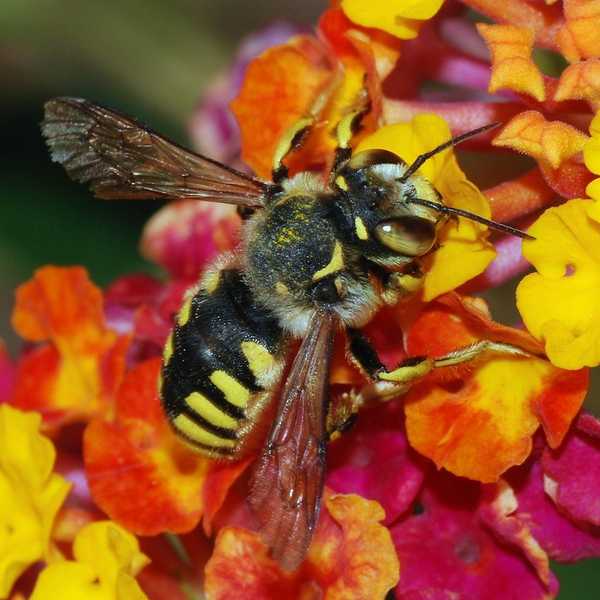
Bees, particularly bumblebees, are the tenants to the building blocks of our lives, but only by coincidence. Bees travel from flower to flower to obtain pollen, their food and life source. While a honeybee's diet is sustained by only pollen, they make food from crops edible for other organisms. More than one third of the world's crop production is dependent on bee pollination. In the year of 2015 alone, the U.S. has lost 44 percent of their honeybee colonies. Colonies are comprised of 40,000 to 50,000 individual bees so that's a significant amount of bees.
With the improvement of farming techniques the livelihood of the farmer increases ten fold. Farmers are now capable of producing food on a scale unimaginable before the 1940s. Unfortunately the livelihood of the honeybee has been directly and significantly impacted by these technological advances in agriculture.
While herbicides mean a decreased presence in weeds located near crops for farmers, for the bees it means decreased flowering plants that would have been food.
Pesticides mean a decreased number in crop eating insects that would make produce unfavorable, For honeybees it means disease.
Bees are going to pollinate whatever plant they come across, so if they collect pollen from plants with unmentionable toxins from insecticides, they will reap the consequences.
Millions of bees are dying from this interaction with a chemically constructed environment and according to Marla Spivak in a 2013 TED talk, "the bottom line is, bees dying reflects a flowerless landscape and a dysfunctional food system."
But bees are just little, flying yellow things in the grand scheme of things, right? But flowers are also being depleted. Diversity in flower types are rapidly vanishing and while bees are the cause, humans are the culprits.
During the summer as a child, I visited my grandparents' house in the Northern Arizona mountains. Most mornings I would venture out with my father and sister to a nearby lake and park. Traditionally, my sister and I would compete in who could collect a more beautiful bouquet of wildflowers to give my grandmother when we returned. While these were just wildflowers, the colors usually ranged from cool blues and purples to vibrant oranges and reds and a whole fistful could be collected.
I returned to the same park and same lake only seven years later and was astounded by the resounding lack of flowers. Instead of daisies, bits of rock and soil poked out of the yellowing grass in its place. No more than two presentable flowers could be found around the whole lakes circumference.
Incidences like this are not isolated. The alarming rate at which the bees are declining are a cause of this. And "accidentally" killing millions of bees without notifying bee keepers is not helping. Wildflowers, tomato plants, agricultural crops - these are all entities that will be immediately affected if bee populations fall below a recoverable line. So without bees, we are without food.