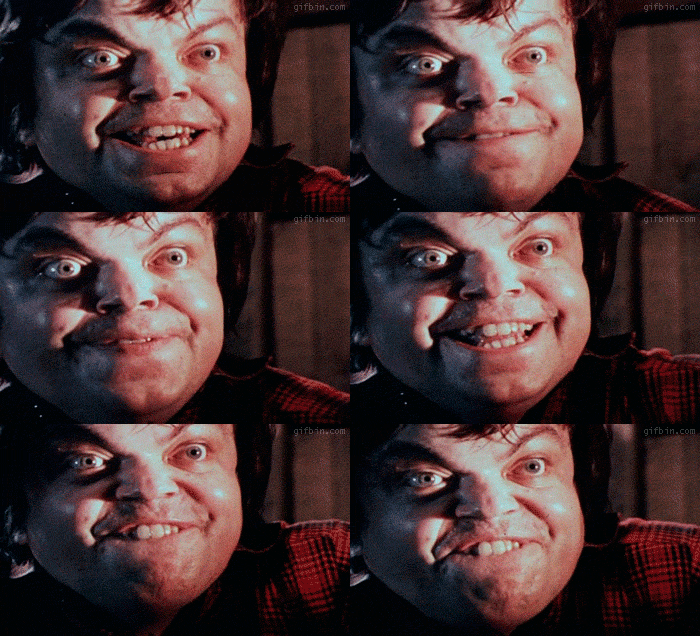
There have been too many broken games releasing the past few years. This has become such a huge problem, that most games are sent out without being fully completed, and their developers stating that a patch will be sent out to fix the problems.
This. Is. Wrong. These are some of the franchises that have suffered due to the “Day-One Patch” idea, and they still suffer today.
Assassin's Creed Unity: Broken Faces
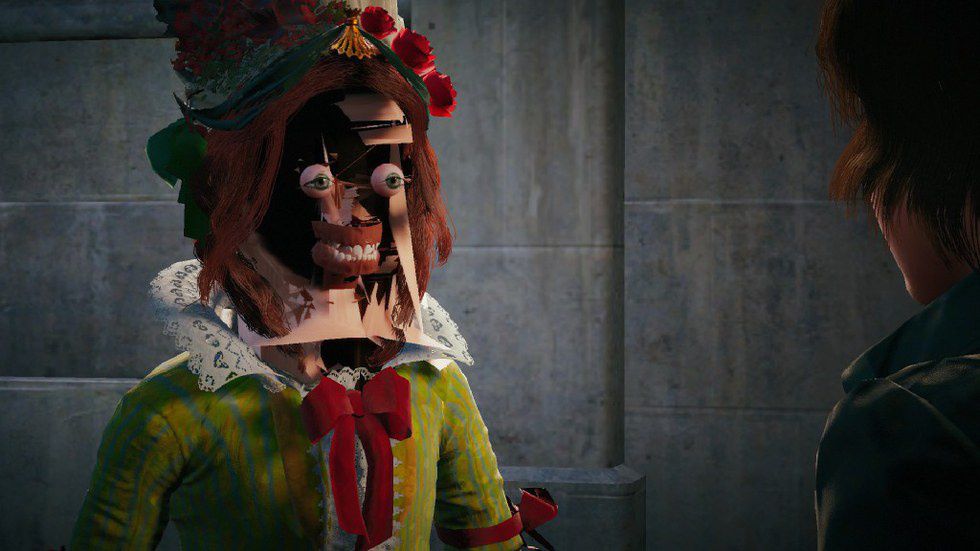
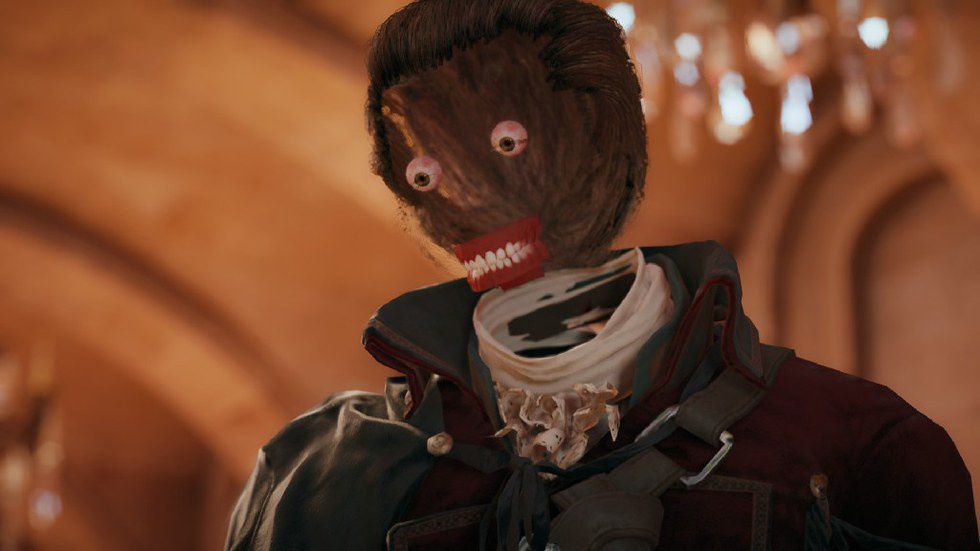
(They look beautiful without skin, right?!)
The "Assassin’s Creed" franchise, known for its stealth-based action in historical settings, has always been a stable and amazing game. From lush backgrounds and environments to compelling story and engaging multiplayer, there was nothing that the series got wrong. That is, until the release of "Assassin’s Creed Unity." With the story set during the French Revolution (1789), the story was right to have characters compelled for justice, but still wanting to fight for the good cause that they believed in. It’s hard to connect with the characters, though, when they don’t have a face.
Due to graphics errors, Unity’s engine could not produce the facial textures for characters at times, and would just leave floating eyeballs and lips. This also applied to buildings disappearing and the floor giving way to vast emptiness, killing the player instantly as they fall to oblivion. The franchise has since recovered with the addition of "Syndicate," as it made sure the game was complete and that there was not a “Day-One Patch” protocol.
GTA 5, Diablo 3, Halo: The Master Chief Collection: Server Connectivity Issues
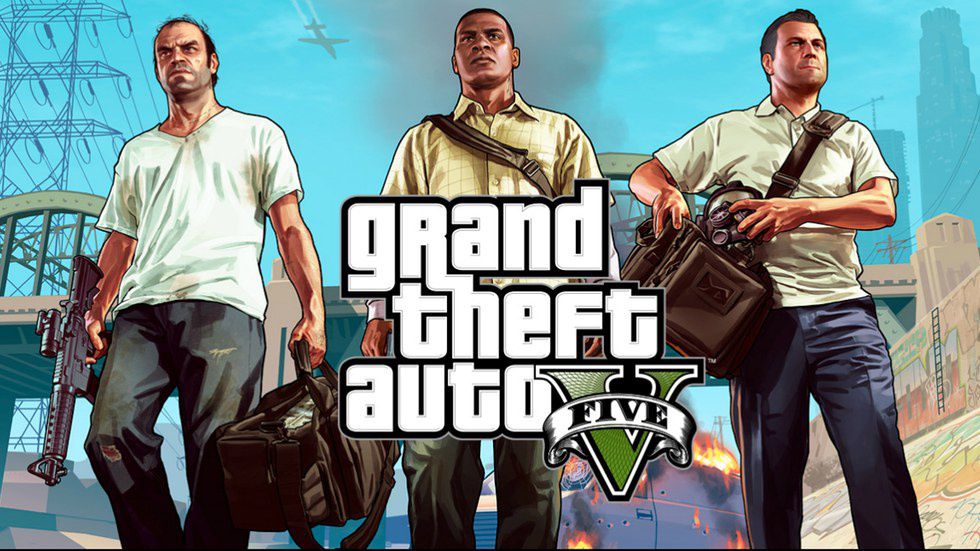
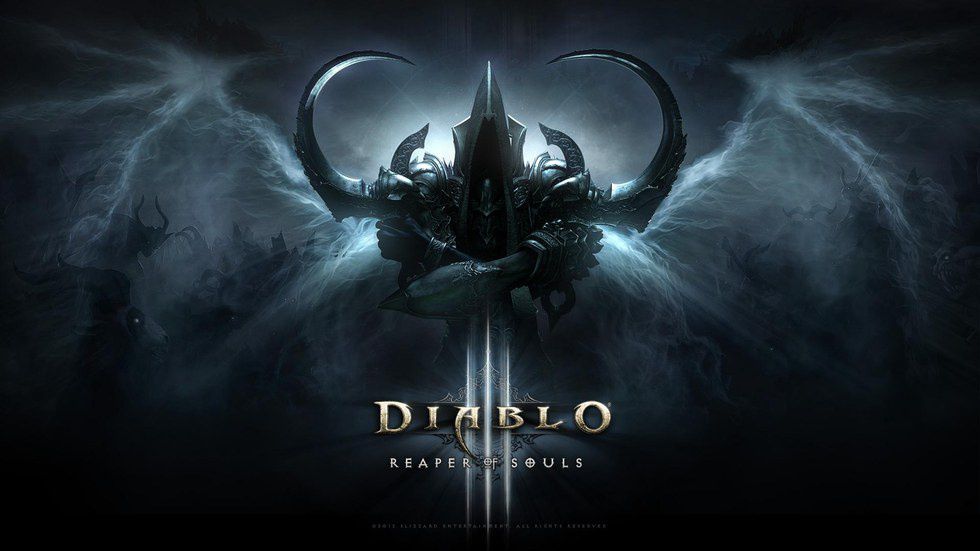
(Multiplayer usually means more than one player, right?)
The next batch of games did not suffer from graphics issues, but instead were the victims of server errors and the companies not expecting the big audience. "Grand Theft Auto 5," "Diablo 3," and "Halo: The Master Chief Collection" all suffered from lack of expectation. These three games have an online feature where you can play with friends and others for a more engaging experience. "Halo" sold 1.01 million copies opening week, "Diablo 3" had 2.7 million copies, and "GTA 5" had a whopping 11.21 million sold in 24 HOURS! With the hype around these three franchises, the expectation should have been high to prepare the online servers for the flood of people that were going to storm in. Unfortunately, no company was ready for the swarm of people, clogging the servers and leaving players unable to play the game for upwards of a month before things were finally fixed. All three franchises have recovered since their launches and continue to prosper.
Batman: Arkham Knight: Broken beyond belief
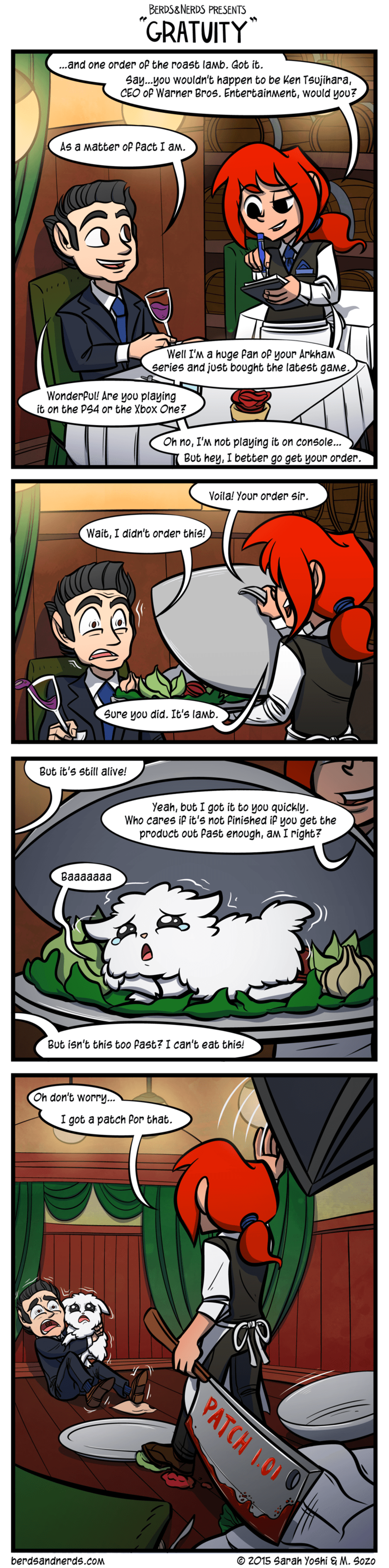
(To prepare you for the madness and rage felt by all gamers June 23, 2015)
"Arkham Knight." What can I say that's good about "Arkham Knight"? It has Batman in a wholly boring and lackluster story that was supposed to be the end-all for one of the best stealth-action comic book games to ever be adapted. So how did it mess up so bad?
In order to meet sales numbers, as well as hit certain time frames where people would be playing their game the most (mid-summer), Warner Bros. released the game early. This caused players to scramble to the stores and purchase their copy. The problems started with the consoles. At first they would glitch or freeze, but it was easily fixed. The real bomb hit with the PC release. Almost immediately, the rage was spotted as millions of players were unable to play the game before their computer crashed due to the half-finished game ruining their computers. Warner Bros. released a notice that a patch was being developed to fix the situation, but to this day, the numerous patches released have yet to fully fix the problems within the coding of the unfinished game. Game provider Steam has allowed refunds on the game for up to six months due to the game’s performance, and even had it removed from their store the opening month of release when everyone started to complain about it.
To fix these problems, a developer only has to do one thing: FINISH. THE. GAME. Sales numbers do play a pivotal part in getting a game a sequel or more distribution, but in the end, the consumers make or break the game. If there's no one to purchase your product, then your business dies. If you serve a half-cooked meal at a restaurant, you won’t be getting anymore customers anytime soon. Games are made to be fun, not us looking at our screens downloading a patch to fix the numerous errors the developers neglected to clean up themselves.