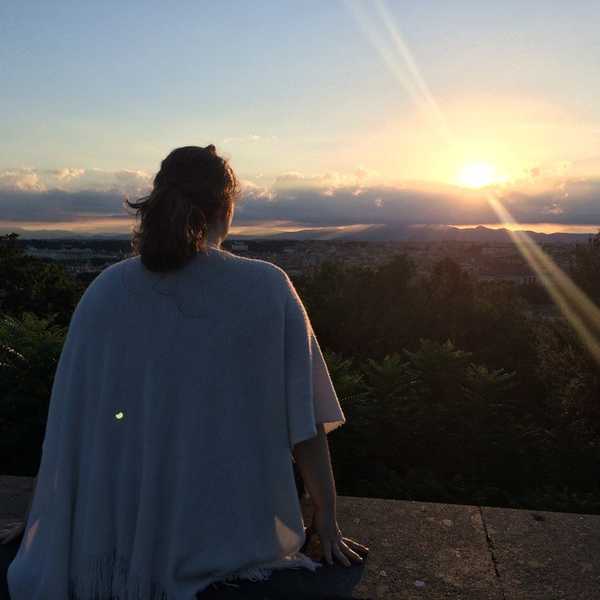
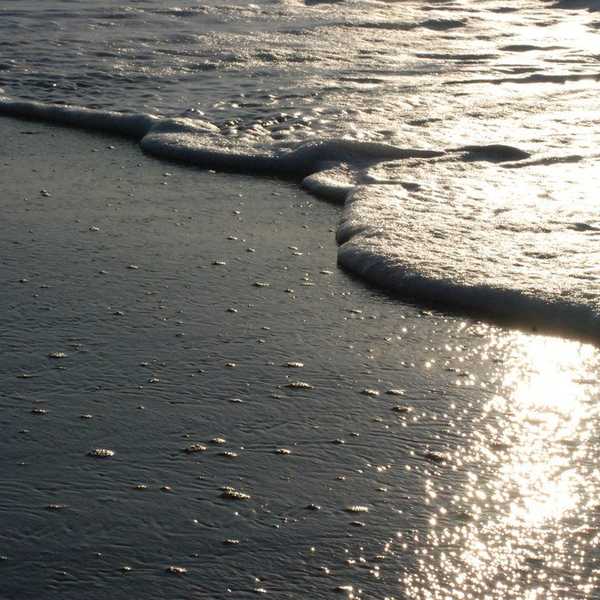
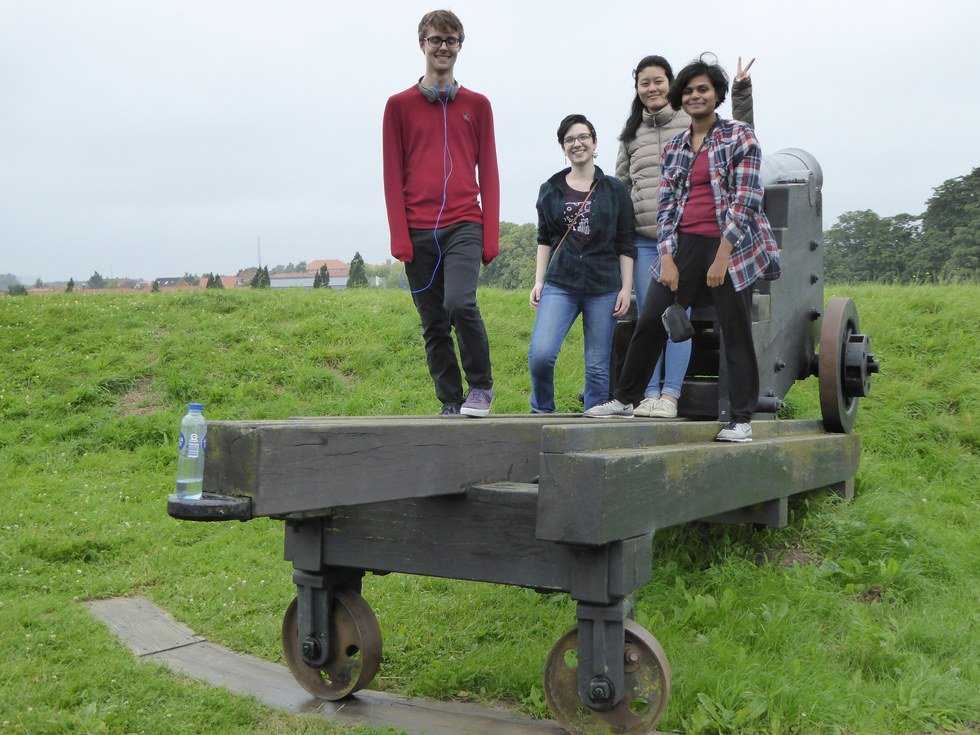
A few nights ago, I sat on a pier near the Copenhagen harbor, smelling the cold, fresh, wholesome air and reminiscing about my past stunning four weeks. The chilly air's wholesomeness actually made me feel warmer, and I had grown familiar with the sensation over time.
The entire experience revolved around finding serenity and support in a completely new environment. This was my first time traveling abroad alone, and though the experience was brief, I definitely do feel redefined. Prior to the experience, distant and close friends told me the same thing: this study abroad experience will change you. Though I nodded in agreement, internally I was a bit perplexed by this statement. How would it shape me? Would I simply gain a broader perspective about the culture, lifestyle, history and language of the place? Will I finally take more risks? Will I find comfort and happiness within myself? Would I view a seemingly perfect nation through a different lens? Will I like the people I am in the program with or will I at least grow to appreciate them? Is five weeks enough time to form opinions about all of the above questions?
As soon as I departed from the Copenhagen airport, a jolt of excitement ran through my body. I was ready to experience both the familiar and unfamiliar aspects of the city.
During my bus ride to my final destination, there was a fine mix of urban and historical influences in the city. Next to every historical building, there was some sort of graffiti art. The names of the stores were all very simplistic like “Size?” and “Normal”. Ladies, there was an H&M on every street corner. Every building was human sized to avoid intimidation, possibly explaining why The Little Mermaid statue remained little (cue laughter).
The people for the most part seemed homogenous in appearance and had a very avant-garde style. Heaping clouds of cigarette smoke filled almost every part of the street, and behind them, I could see many friendly faces. Of course, there were bikes EVERYWHERE. People drink socially almost everyday, and on Thursday nights, you can hear inebriated shouting from the streets. On some of the hotter days, you can see people jump into the harbor or enjoy a drink with friends on families on boats. Tranquil. Content. Progressive. Utopia.
I initially perceived the country with such characteristics, but I also became analytical. The Danes take pride in their culture (and their furniture) and this idea of social welfare. I took some economics classes here in Denmark, and it allowed me to view some aspects of the country a bit differently. Denmark is commonly known as one of the happiest places in the world; there is a close knit community here. Everyone takes care of each other, whether it comes out of the incredibly high taxes or from collecting water bottles from public parks for money (keeping the parks clean to earn easy cash).
Aside from the roots of the Viking ideals of tribalism, this system has continued to work for the citizens. In my opinion, the success of this welfare stems from this idea of homogeneity. The percentage of immigration is relatively low, so it becomes slightly easier to work with people who are so similar to you. Gaining this perspective has altered my mindset of “flaws” in the U.S. system. The U.S. still needs much reform, but attempting to wholly implement this egalitarian structure is not rational. Although our system does not deeply consider the human value as much, the difference between distinct social and ethnic groups deems the competitive mentality to be an efficient one.
While traversing the western parts of Denmark to Viking lands (aka Jelling), I learned so much about the culture and history. For instance, there are solitary runic stones that exhibit encryptions of how Gorm the Old, the first king of Denmark, named the country Denmark. A few kilometers away from Jelling, there was a another modern city called Arhus. Within the city was the ARoS art museum. The museum displayed an array of Danish works spanning from 1600s- current day and also featured some international exhibits such as the photographic style of American artist Robert Mapplethorpe.
A few kilomoters away from Copenhagen, the Kronberg castle remains in complete solitude overlooking the Baltic Sea while re-enactments of Hamlet took place inside the castle.
Aside from the larger scale observations, I finally had some time to self-reflect and enjoy. Never in a million years would I randomly jump into a harbor late at night and ride a bike in busy streets of Denmark (despite not riding one for seven years). I had gotten lost countless times, but you know what they say: “The best way to get to know a city is to get lost”. Every time I lost myself in the city, I would stand there, mentally note the site of this new landmark, and biked on to my destination. I would spend hours in front of the Rosenberg Castle garden pondering about life with a friend, feeling content and in control of my reactions to the environment. I developed new friendships and new frustrations with the people in the program. Even though I felt so insignificant in my time here, my lack of knowledge further helped broaden my mind.
The people in the program and city enlightened me. Fate drove me out of my comfort zone, and I felt that the possibilities in my hand were completely under my control. After all, how did I have the audacity to continue riding throughout the city after getting into a bike accident with another Dane? I knew how to seek contentment during points of absolute frustration. Though I was silent during most of the program, my words of empowerment resonated internally.
Almost five weeks later, I can tell you that to a certain degree, I have been able to answer all of these questions. Honestly, this is one of the greatest accomplishments of studying abroad within a limited amount of time, at least for people like me. I examined this country closely and fully experienced its sensations. The study abroad experience transforms a person, and for most people for the better. It turns smart human beings into intelligent ones who learn how to adapt and expand minds and personal boundaries. It pushes both the adventurous and fearful people beyond their limits.
Thank you Denmark. Thank you for your culture, your history, your safe space, and your system. Thank you for giving me the chance to be critical, thankful, and audacious.
I hope that I left Mark on Den-Mark the way it left a Mark on me.