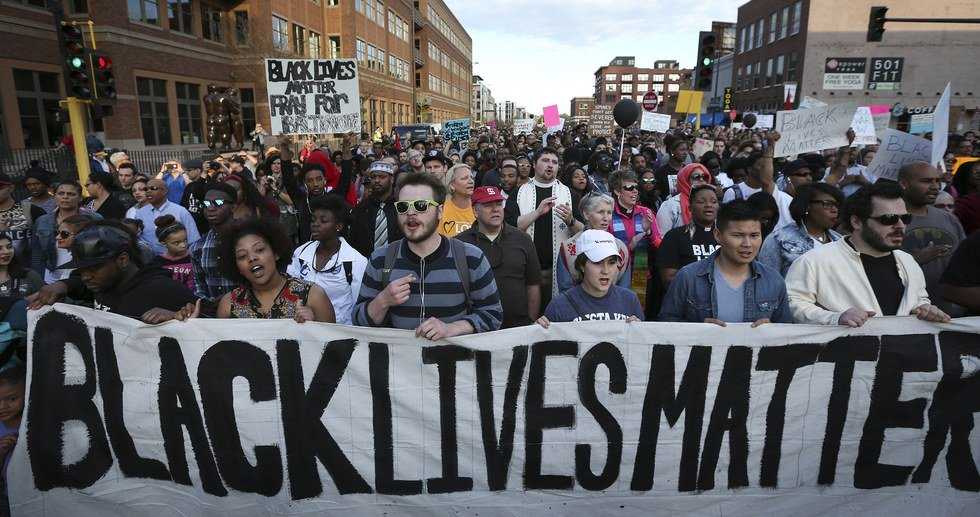
In the wake of the deaths of Alton Sterling and Philando Castile, I find myself thinking about the Black Lives Matter Movement yet again. For those not yet aware, Alton Sterling and Philando Castile are both black men who were shot to death by police in situations where something like that never should have happened. More specifically, Sterling was shot to death while already restrained by two police officers in Baton Rouge, and Castile was killed during a routine traffic stop in Falcon Heights, Minnesota. No matter what stories you, personally, happen to believe beyond that, those are the facts.
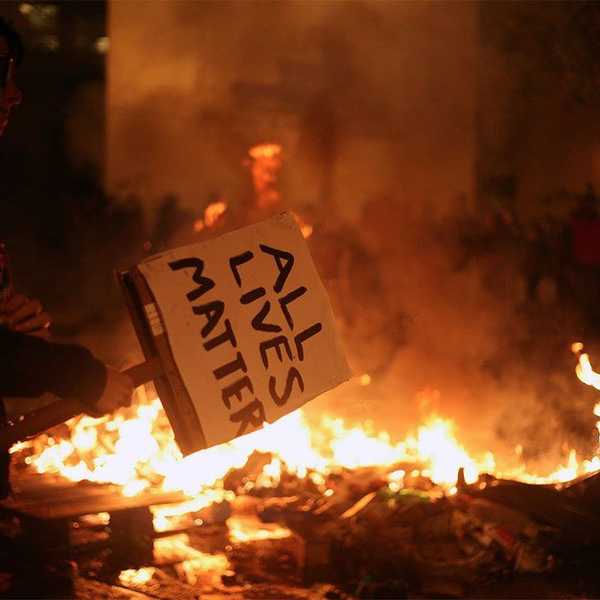
Before I get too into this, I want to make clear that I'm a white man. I ave never had any reason to personally fear law enforcement or authority in general beyond the normal nervousness that comes with not wanting a ticket. I have never had to fear for my life in the face of police and have never experienced prejudice based on the color of my skin. And chances are, I never will. Yet, from this position, I still know the importance of Black Lives Matter and have never subscribed any of the confused "All Lives Matter" movement.
I've been following the evolution of the movement since its origination in 2013 with the death of Trayvon Martin and his killer's acquittal thereafter. Not only was that the first court case to gain national attention that I followed closely, but my own frustration with American race relations was sparked at the same time as Black Lives Matter, making the growth of this movement very close to my heart. From there, I continued to follow and share in the frustrations of the movement through the deaths of Ferguson's Michael Brown and Baltimore's Freddie Gray and the protests that followed.
To better understand the plight that I've never experienced, I went out of my way to learn more about the history of race relations and the inherent struggle People of Color face here, which I think is important to understand Black Lives Matter and what it stands for. Most importantly, for me, it was the understanding of different theories of racism and understanding which I subscribe to and believe. In short: The "Folk Theory of Racism", as I was taught, is the idea that racism is something based solely on the beliefs and values of individuals and thus, only individuals should be held accountable for racist acts. However, 'Critical Race Theory" instead says that racism is inherent and built by society, rather than solely by individuals. It states: Racism = Prejudice + Power, meaning that, in the United States, for example, white people hold the majority of the power throughout the country and therefore can experienced prejudice, but not racism. This ideology is the basis for other ideas like white privilege and the foundation of the Black Lives Matter Movement. This is the definition of racism that I, personally, subscribe to, and I believe it has helped me become even more aware of the privileges I was lucky enough to be born with and therefore be more able to empathize with my fellow Americans who are continuously put in dangerous and less fortunate positions than I am.
Most importantly, I want to clear up some extremely common misconceptions regarding Black Lives Matter. For example, the name "Black Lives Matter" by no means implies that the lives of everyone else don't, as the those within the "All Lives Matter" camp claim. It doesn't mean that my life, as a white man, is worthless. Instead, the point is that the lives of black people, especially men, are treated as those they don't matter by authority figures like police and governments. To put it into perspective: The Huffington Post claims that at least 136 black people have been killed by police so far in 2016. And who knows how many were killed in situations like those I listed earlier that the media simply didn't cover. It's also important to note that Black Lives Matter isn't anti-police as a whole (like any group or movement, there are extreme groups that claim the name. See here: any religion) but rather, are anti-police brutality, as I feel everyone should be or is.
To recap: Black Lives do Matter. And that name hardly implies that anyone else's lives don't matter, but highlights the violence and struggles the black community, and people of color in general, face every day. In the wake of these unfair deaths, remember that, if you're white, this isn't about you. It simply isn't. But you can use your inherent privilege to help bring ideas like Black Lives Matter to the forefront and be an ally of those who overreaching law enforcement more directly affects.