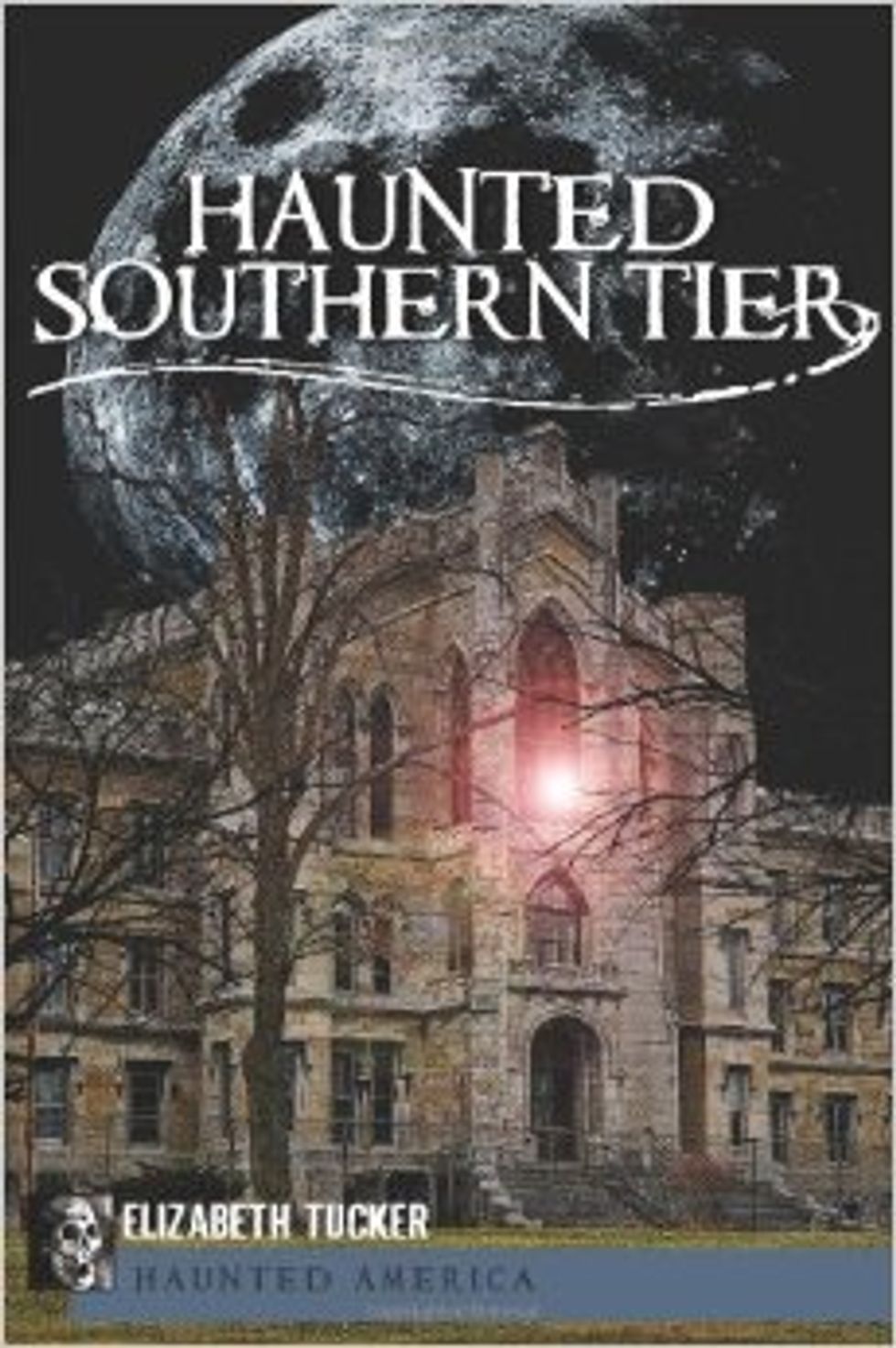
Halloween is right around the corner, and I'm certain students nationwide are hearing multitudes of rumors concerning the ghosts and demons that haunt the various buildings of their college campuses or the surrounding area. I decided to take a more hands-on approach to Binghamton's Halloween stories, however. After all, if there is a book called "Haunted Southern Tier," then there must be some really crazy stories to go with it. My initial research led me to discovering three sites in particular that are claimed to be haunted in some manner: the Bundy Museum, the Roberson Mansion, and the New York State Inebriate Asylum.
But it wasn't enough for me to just research these sites and compose the info I find into an article. No, I had to experience these paranormal worlds myself. Are the rumors that surround these places justified? To keep my credibility, I kept my research of these sites to a minimum before paying my visits, so as to not be phased by the lore that made up their reputations. Armed with nothing but my camera, I ventured into the unknown, hoping not to become a ghost story myself.
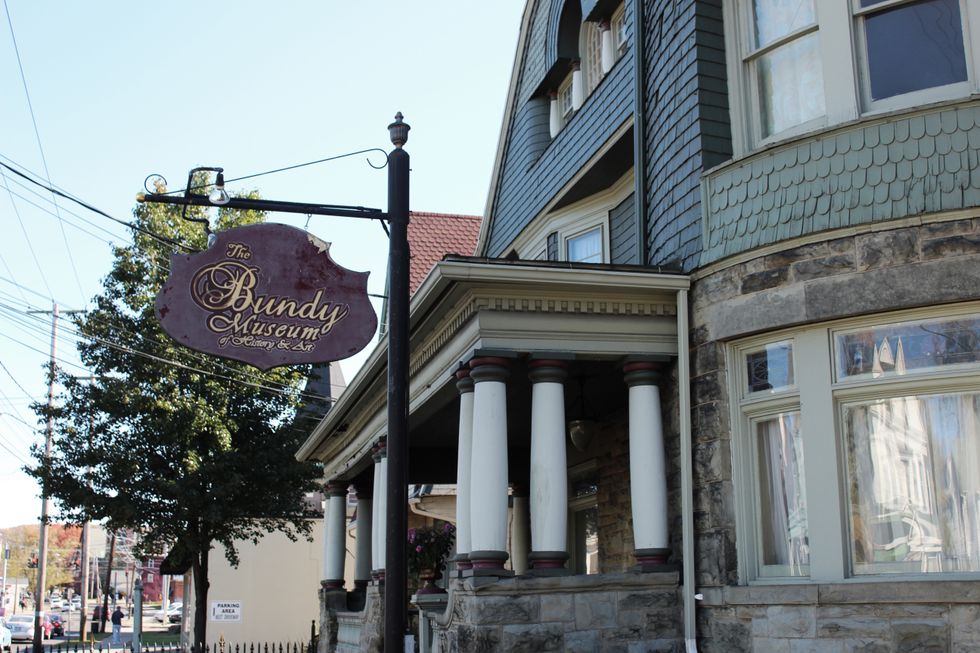
The Bundy Museum, located at 129 Main Street, was my first stop. Truth be told, I had no clue as to any of the hauntings rumored to be involved with this establishment. Upon arriving at the museum, I noticed only slight visibilities in the aging of the sign and some of the tiling. Other than that, the building is pretty well preserved. This seemed to detract from the spookiness it's said to possess. Certain aesthetics distinguish the building from those around it, but not by a great deal. What really sets this building apart is the interior, which is expected give its identity as an art museum. There is a wonderfully restored wood-carved interior filled with paintings and stained glass windows.
I was surprised there wasn't more lore regarding the art and decor that cover the interior of the building, for example, a statue that people believe to move at night. There are claims that visitors may experience an eerie feeling when viewing the African art gallery located in the building's lower levels. I can understand how some people may have an uneasy feeling, but I, in particular, did not experience one (which could be because I'm familiar with African statues and artifacts, and even have a couple back at home). There are also claims that from time to time, you may see ghostly figures wandering the second floor through the windows. It's a good idea to search for these apparitions after five, when the museum closes, so you don't confuse them with visitors.
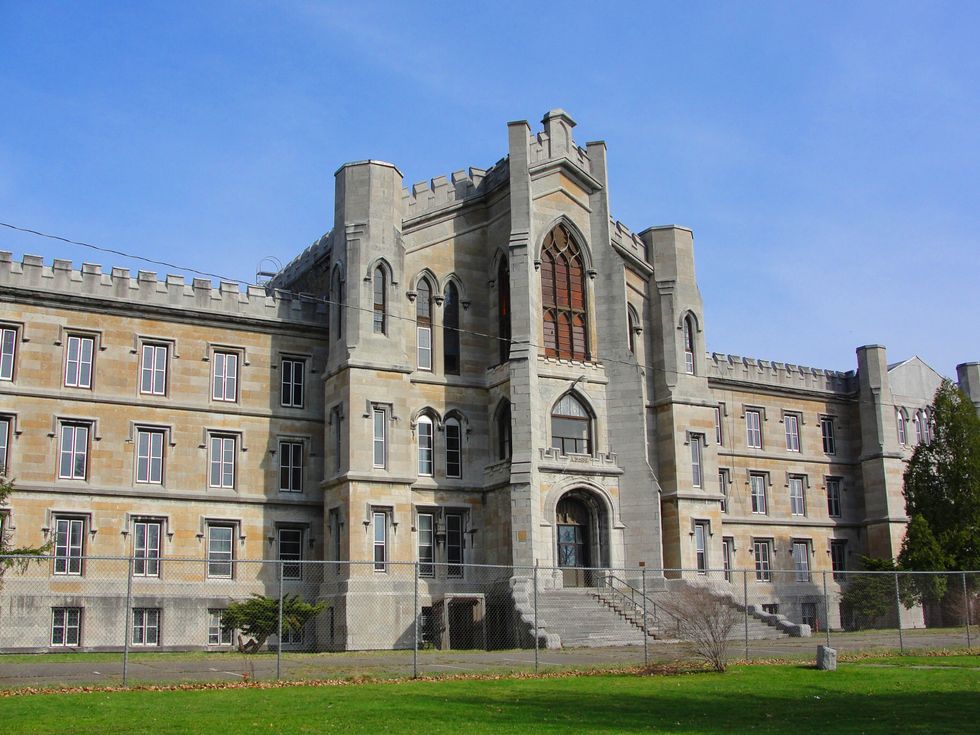
While I didn't get the chance to actually go to the New York State Inebriate Asylum, located at 425 Robinson Street, it was certainly on my radar. I mean, it's an insane asylum from the 1800's, designed by Isaac Perry. It just screams horror. This building, which many people simply refer to as "the castle," was actually built in 1857, then rebuilt after sustaining great damage in a fire seven years later, and then adapted for use as an asylum in 1879. It wasn't just made into any asylum either, but the first asylum to treat alcoholism as a mental illness. Treatments at this hospital included electroshock therapy, which was a new practice back then, so accidents were bound to happen here. When more humane treatments than electroshock, hydrotherapy, and the lobotomy came into practice, the asylum saw a steep decline in patients, and several of its inmates were deinstitutionalized. By 1993, the building finally closed its doors. Recent efforts have been made to restore the dilapidated building. According to the Washington Times, earlier this year, Binghamton University announced that it will serve as steward for "the castle."
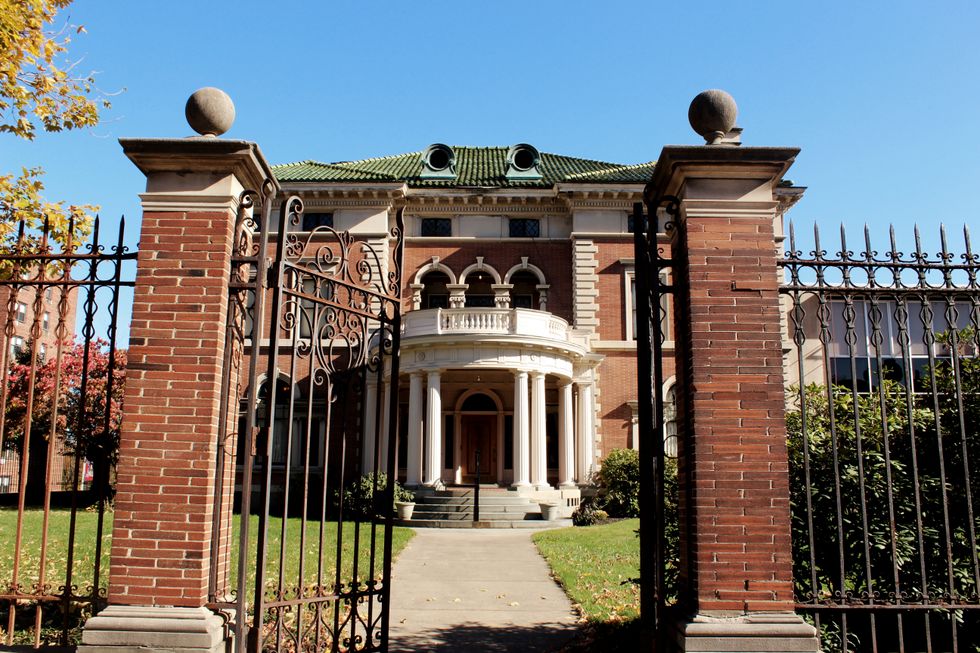
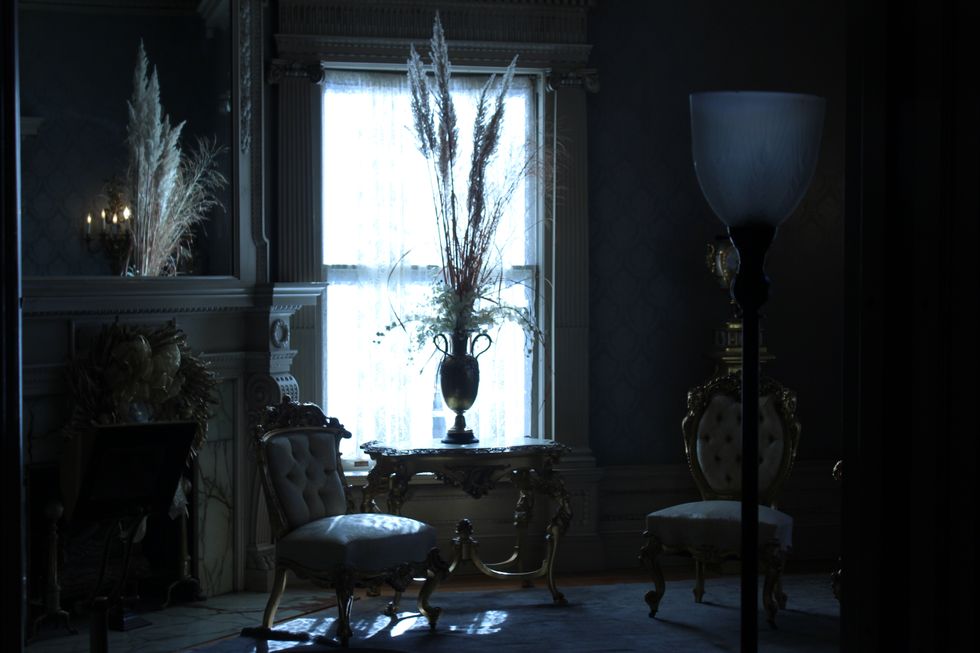
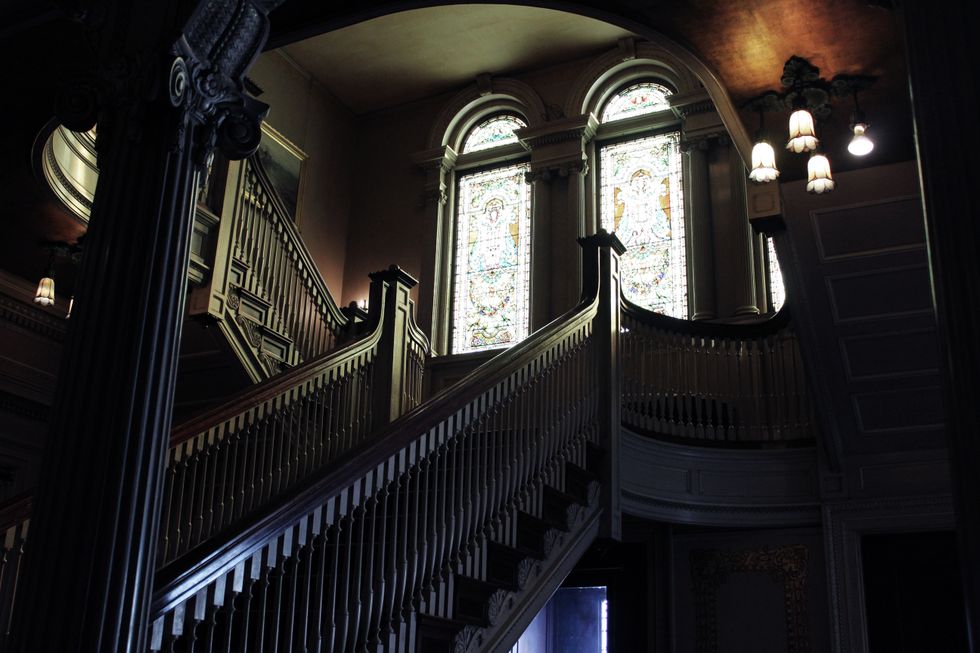
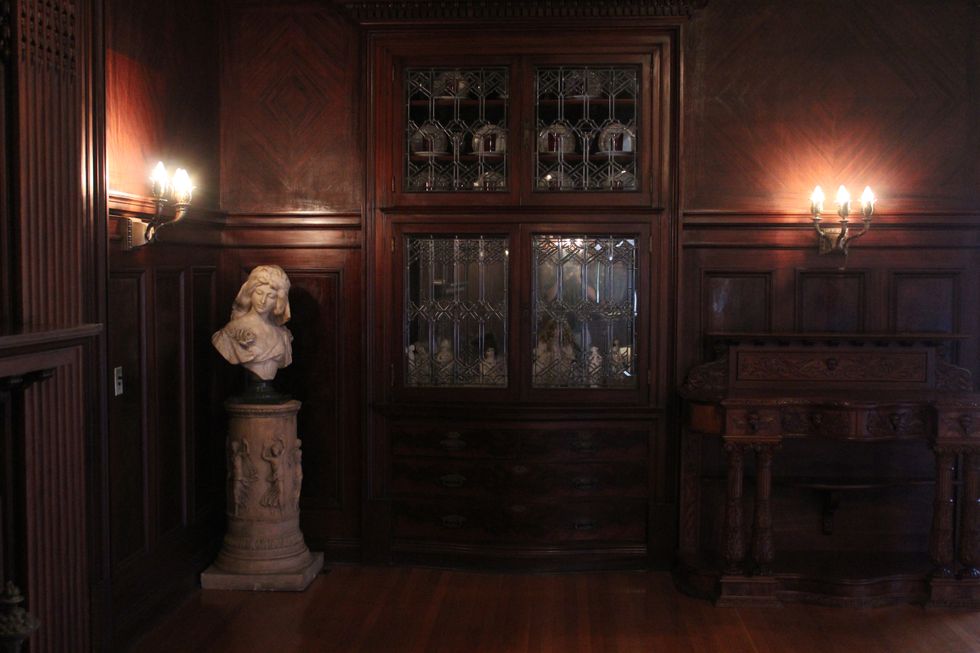
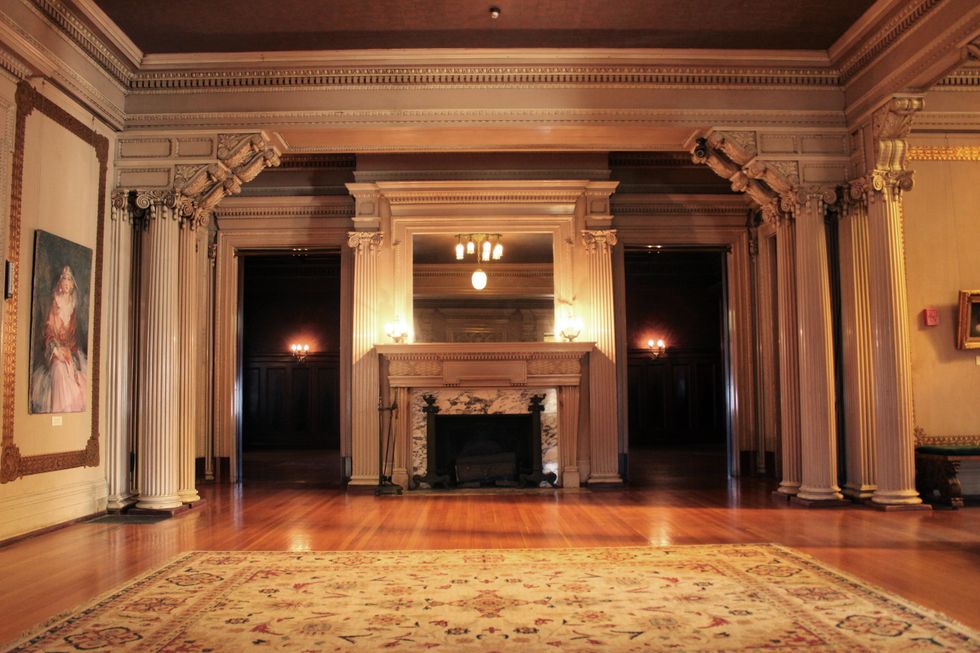
My final stop was the Roberson Mansion, located at 30 Front Street. The historic mansion is now part of a museum and science center. When I arrived at the mansion's gate, one of the workers pointed me in the direction of the entrance, which is through the museum. The staff was very helpful, both granting me permission to take photos of the mansion's interior and exterior and directing me to mansion exhibit. The interior consisted of two floors with marvelous woodwork and stained glass windows, and it was significantly less cluttered than the Bundy Museum. The Roberson Mansion has been preserved to maintain its appearance from its reveal in 1904; the lighting and architecture serve to take you on trip to the past. Having visited the mansion alone and without a tour guide, I can understand why some people may feel uneasy, especially with ventilation and the sound of your own footsteps being the only sounds echoing through the mansion.
There are several ghost stories surrounding this site. Claims range from doors shutting on their own if guests make too much noise, to spiritual beings attaching themselves to various artifacts, to the sound of children laughing and playing even when there are no children in the vicinity. Many people even say they have seen Alonzo Roberson, Jr., the mansion's former resident who died over 70 years ago. Some claim to have seen him inside the elevator to the museum's upper level near the mansion's entrance. Others claim to see him standing outside the mansion's front door right before the museum, which closes only for him to disappear without a trace. Wednesdays through Sundays, you can also pay a visit to the mansion and see for yourself whether or not Alonzo Roberson still maintains residence there.