Following the the San Bernardino attacks, the FBI aimed to put policies in place forcing Apple to surrender their customers data to them. This was a court order from the federal government, but Apple filed to dismiss the order this week.
Apple’s main argument for calling for the dismissal is how obsolete and irrelevant these policies would be. The All Writs Act the government is citing as its authority to compel Apple’s assistance, but Apple claims this still doesn’t give the FBI authority to how access to Apple. The reason being Apple’s assistance would be a burden for Apple to comply with, and it’s not their legal duty to do as such.
The company also invoked their First and Fifth Amendment rights on the ground that computer code is legally recognized as speech. Also, the dismissal makes a clear declaration that this isn’t for the courts to decide. This is because this could set a new model for how data is collected by government agencies.
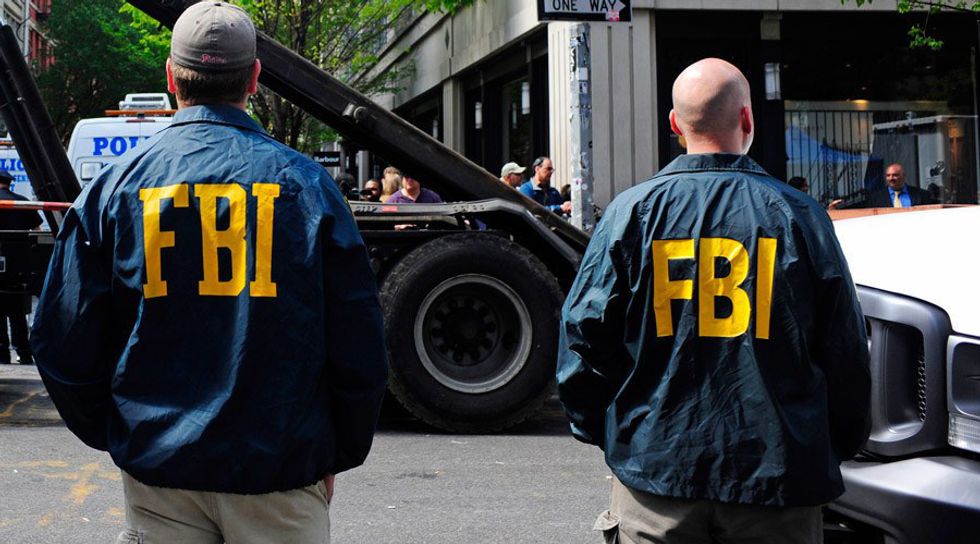
“This is not a case about one isolated iPhone,” an Apple attorney wrote. “Rather, this case is about the Department of Justice and the FBI seeking through the courts a dangerous power that Congress and the American people have withheld: the ability to force companies like Apple to undermine the basic security and privacy interests of hundreds of millions of individuals around the globe.”
This is a big precedent when one considers on other private company has refused a court order like this before. All other companies who have data of individuals have willingly provided that information to agencies like the NSA, CIA, and FBI who collect mass data.
Even still the government cited US v New York Telephone Company as a precedent giving the power under the All Writs Act to command Apple’s cooperation in accessing cell phone data.
Another argument Apple had was the FBI surveillance would, in practice, make users less safe. The company claims the tool the FBI intends to use would undermine the security Apple originally put in place on their products. The FBI’s tools could corrupt software and could destroy the user's phone. A government agency can not destroy a private company's product; this would be highly illegal, and could result in hundreds of millions in a law suite. 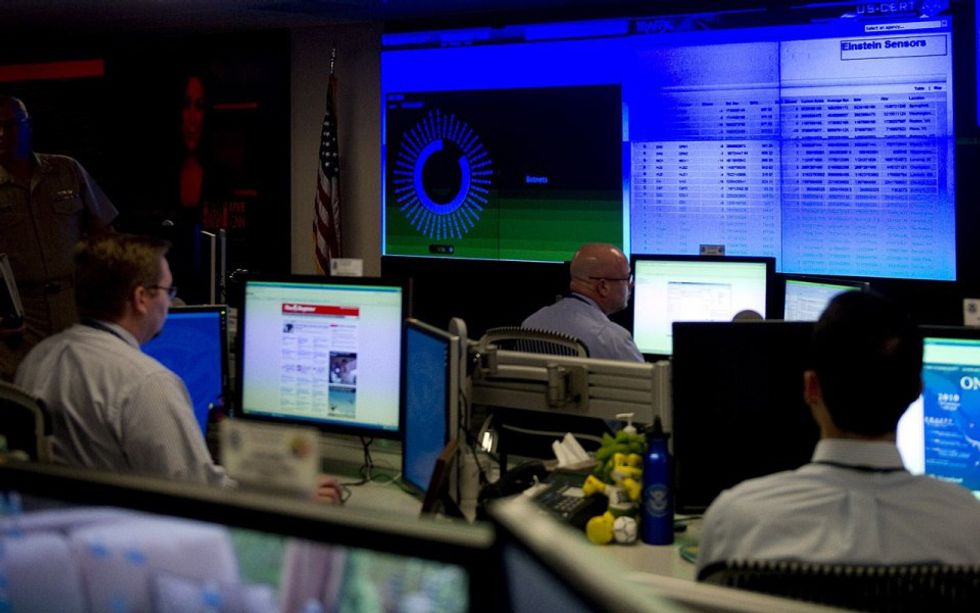
To continue the grounds Apple argued in the court case could be the new standard for companies defending themselves, and their customers, against government infringement. Other companies may be less willing to share their data with government agencies after knowing what Apple has argued in the courts. Perhaps most of all is the question of principle: should a government agency be allowed to view data of private innocent individuals? And, for the first time since data collections’ surfacing Apple firmly answered, no.
In all, Apple’s dismissal of the court order could usher in a new era for government surveillance. It also could be just a rare exception to the data collection phenomenon we are now seeing. Only time will tell the truth of what's to come of government surveillance.