


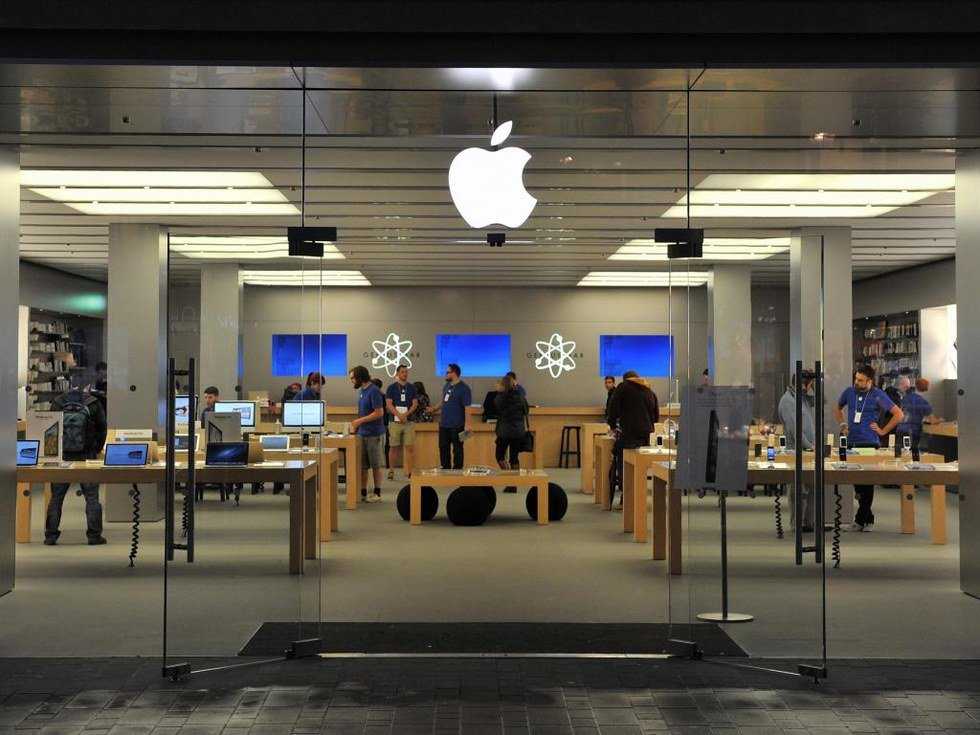
Tim Cook, CEO of Apple Inc., announced the company’s plan to expand iOS program in India earlier this year. In the article, India Trip With Billion Phone Sales at Stake, Saritha Sai shows us how added value can benefit a company’s competition in the market. Smartphones may be making their mark in the United State, Europe, and other markets but in India there’s a speculation od a billion new device sales. Cook will reveal a development center for digital maps in Hyderabad and introduce an accelerator program for iOS developers. Apple, Samsung, and other venders are determined to sell to India’s middle class, which is projected to quadruple to 200 million by 2020. Signs of this financial explosion have been evident within the first four months of this year. “I’m encouraged by the results that we’re beginning to see there, and believe there’s a lot, lot more,” mentioned Cook on Apple’s latest earnings call.
I am excited to see how India is going to progress economically in the coming months. India is by no means a poor country. On the contrary, India is so powerful that years ago, our country needed them to help save us from bankruptcy. They have powerful technology and their people are some of the most talented individuals in the world. In fact, India’s economic growth is outdoing all of the other large nations at around 7.5%. Meanwhile, other countries such as Brazil, Russia, and China have all lost their momentum. Though some critics may say that economic reality has hidden by low oil prices, but the Prime Minister has recently dismissed that argument. According to him, the foreign investment has increased, credit ratings have improved, and the government is on track to meet its deficit target.
Gabriele Piccoli has informed us that, “Added value is created by doing something of value for customers, thereby increasing customer willingness to pay, through an investment of resources that does not exceed customer willingness to pay – otherwise we would be simply destroying value and wasting resources. Apple, Inc. – the customer electronics firm lead by Steve Jobs – is a great example of value creation through increased willingness to pay. Steve Jobs, speaking at D, articulated his firm’s great success in digital media focusing on making great products, pricing them aggressively, and going for volume” (p. 260).
I agree with this statement because it correlates with the article because the main objective in adding value to a product is to define how the firm plans to use and merge its resources to accomplish its strategic objectives. This statement also addresses another very important issue- price. The company isn’t among the top 10 in terms of market share at the moment because its prices are far too much for the average consumers. However, Apple has worked to import and sell refurbished iPhone in India, and the idea of bringing assembly and manufacturing to the country is also a plus. Peter Richardson, Counterpoint’s research director said, “There is a massive opportunity for every player in the mobile value chain when the second largest market by volume is still under penetrated and growing, while the rest of the world smartphone demand was waned. India is the next China.”
One important problem facing Apple in India is price. Piccoli mentions, “…a firm should focus on creating value, through innovation and the use of IT, not just for the sake of doing so, but in order to appropriate at least a portion of the total value created. The firm’s added value is also a measure of its competitive advantage because it measures the extent to which the firm is able to do something unique and valuable.” India’s consumers aren’t willing to pay as much for the technology in a market where phones are usually bought and aren’t available on calling plans. Although Apple’s most affordable smartphone, the iPhone SE, starts at $399, the average selling price for a phone in India is predicted to decline to $102 by 2018.
In the end, the sales figures from the latest quarter reveal how much young India’s market remain, and how much more it needs to grow to reach the projected 1 billion in shipments in five years. Several phones have been sold in the country already, so the goal can very well be reached. The main thing to remember is that customers in India are very price sensitive, and if we think China is cheap, then India is the looking to be the next step.
Technology is constantly making an impact, and its effects are not about to end anytime soon. The evidence is a worldwide phenomenon.














