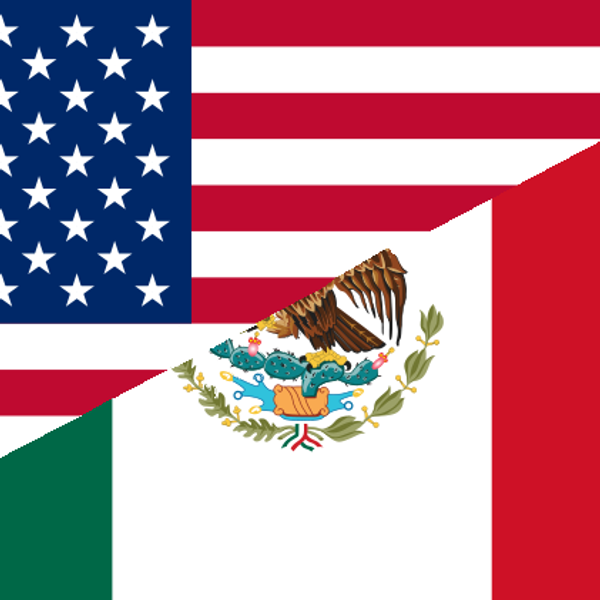

My heritage is beautiful.
I was born and raised in Chicago, IL and I am the daughter of Mexican immigrants. Spanish was my first language. My childhood was packed with piñatas, tamales, and everything else that my parents passed on to me. I learned to fear the moments I said “que” instead of “mande,” but I also discovered that Tajín goes with everything. I grew up embracing the cultural part of my identity.
But what happens when others try to deny you that?
As I got older, I began to struggle to balance my Mexican American identity. There are times when I feel too American around my family, especially the adults, and there are other times when I feel too Mexican when I am with my peers. I have accepted the struggle. However, it’s incredibly annoying and insulting when people judge me for not being what they think I should be. For not being “Latina enough.”
I don’t appreciate being stereotyped. I’m not going to change who I am to become what I am “supposed” to be and I’m definitely not going to say that I’m sorry. I shouldn’t be apologizing for…
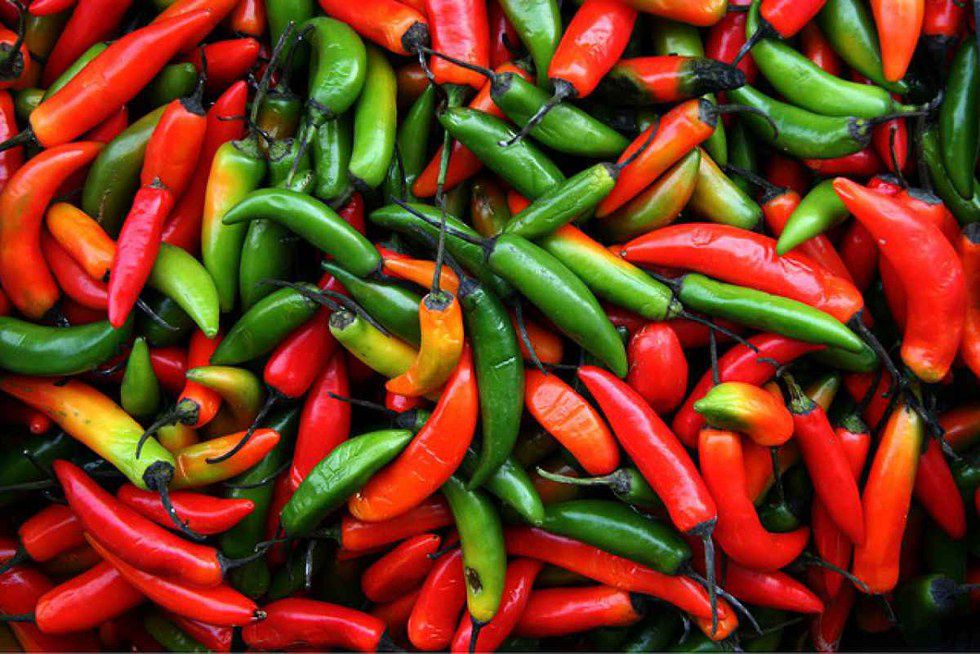
1. Not Liking Spicy Food
Back home, almost every meal is accompanied with salsa or a spicy dish of some sorts. My parents firmly believe that a meal is not complete without food that makes their taste buds tingle. And then there’s me. If I am to eat anything that is spicy, I need to have at least one glass of water for every three bites. I even have my parents taste food for me at parties and other events so that I know whether it is safe to eat. If they say “no” right away, the food is mild enough. If there is any hesitation at all, then I know that it’s a no-no.
My parents have accepted my preference for milder foods. However, there have been several occasions where I am judged for my tastes.
“Wait — you don’t like spicy food? But you’re Mexican!”
I most certainly am, but that’s not what defines being Mexican. Contrary to popular belief, being Mexican does not automatically mean that I love spicy food. Just like every other person on the planet, I have my preferences.
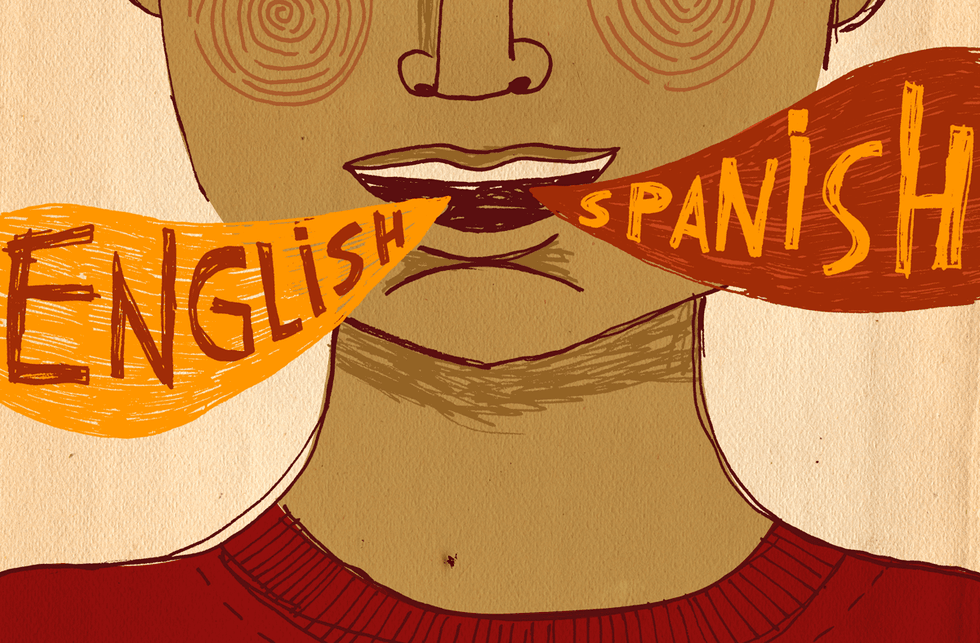
2. Not Having Perfect Spanish
My parents taught me Spanish. It was not until preschool that I was formally learning English (although PBS Kids gave me early exposure) and eventually I began to speak in English more than I spoke in Spanish. While I can easily communicate with people, there are times when I make small errors or don’t understand what people are saying because it is slang. Whenever that happens, I turn to my mom and ask her to give me a quick definition. Sometimes I am made fun of for this, but how can I be expected to know every word in formal and colloquial Spanish when I use English much more frequently?
There are other friends who do not know how to speak Spanish at all. Older generations criticize them for neglecting a part of their culture, but it is ignorant to do so. Not everyone was taught Spanish by their parents or other relatives. Some grew up in families that wanted to make it easier for them to feel American, while others are third or fourth generation Latinos. Everyone has a unique story that has to be respected.
Speaking Spanish is not a prerequisite for being Latino. And no, Mexicans don’t speak “Mexican.”
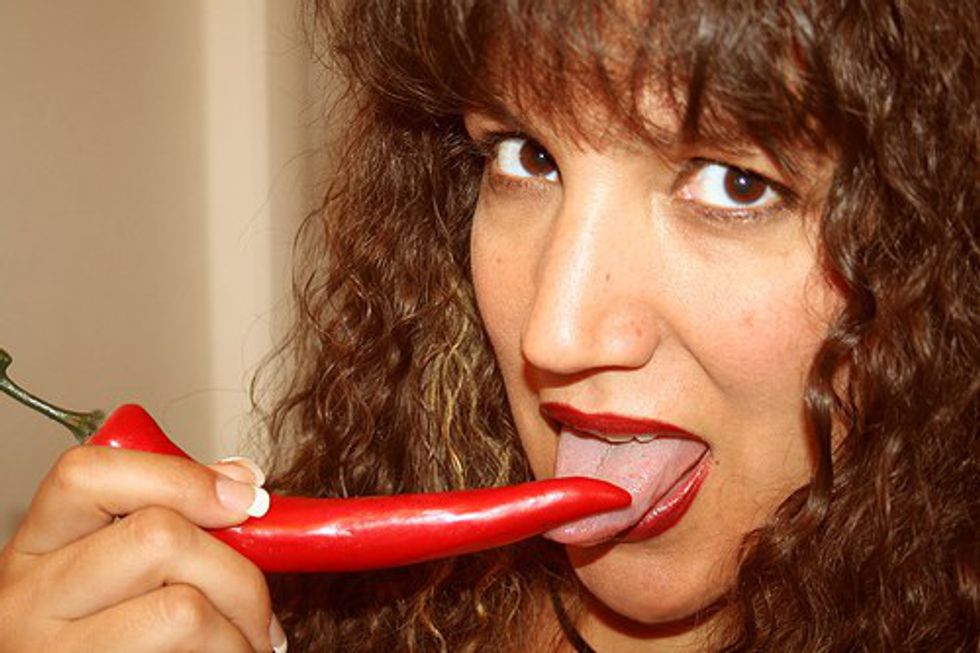
3. Not Being a “Spicy Latina”
It was not until I entered my teenage years that I became aware of the relationship between my body and the way that society saw me. I was becoming a “señorita.” To my family, I was growing up and becoming more independent. But to others, that meant dancing sensually. And being promiscuous. And having a curvaceous body. In other words, I was expected to become a “spicy Latina:” the sexy women that the media constantly portrays (and unfortunately a majority of the roles that Latina women are given).
They got it wrong. I may not have incredible bachata and salsa skills nor do I have big curves, but it does not make me any less Latina. My ability to claim my heritage does not depend on how I look or on my promiscuity. In fact, the only thing that it depends on is the fact that I can trace it back in my family.
My heritage is beautiful, but it has been perverted and stereotyped to the point where I sometimes don't fit the “norms.” Stereotyping erases the incredible diversity within the Latina/o population and forces the homogenization of a group of people into an American way of classification that makes us susceptible to racist treatment.
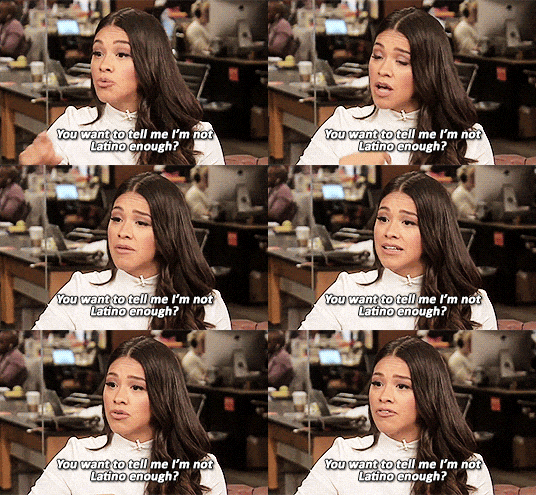
Instead of telling me that I’m not “Latina enough,” apologize to me for stereotyping my personality, my body, and my heritage.