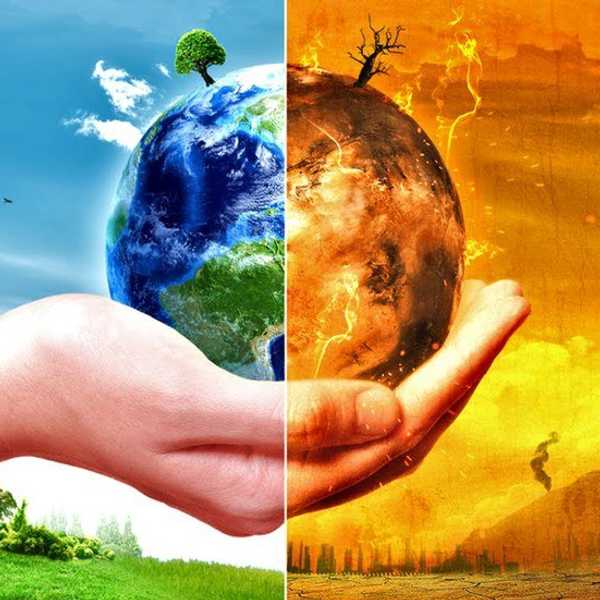

In 2000 atmospheric chemist and Nobel laureate Paul Crutzen set in motion the term Anthropocene which suggests that we are living in a new geologic era due the human interaction and impact on the world. While among pop-culture Anthropocene has become a trending term, like millennial, it is not entirely popular or accepted by the scientific community.
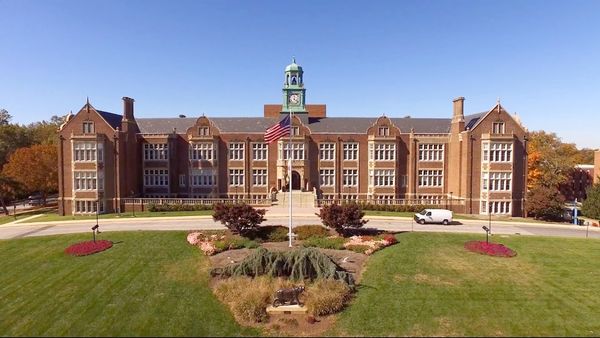
Why do some scientists feel the need to define a new era in earth's history? Many point to human impact on the earth, ever since our species has first originated we have quickly began to change both environmental and geological structures on the planet. Our oceans are polluted, the Great Barrier Reef has been declared dead, and at the rate they are being used we may have to kiss the world's rainforest goodbye. The question that many scientist ask when they consider if we are in a new era is if we as humans have permanently changed the planet. Many say yes, and point to the examples I just gave, but others are more hesitant to accept the claim, such as stratigrapher Whitney Auden from SUNY college of Brockport, citing that they need to see a distinct place in the rock strata where a new geological era can be accounted for. Other scientists such as, Will Steffen head of Australia National University’s Climate Change Institute , feel that to legitimize the new era one has to start by finding a specific moment in time where humans began to impact the earth in a noticeable way. Steffen points to the Industrial Revolution during the 1800s as that marker in time where humans began to affect the earth in a manner that could not be ignored.
Even if scientists debate whether or not Anthropocene should be applied to a new era on earth, moving us out of the Holocene, the fact that they are thinking about giving a term to the time on this planet that humans have impacted it is significant and does not connote something entirely good about us. Of course, we have a right to be on this planet like any other plant or animal. However, in all of the billions years that earth has been around, and millions of year that life has been on earth, no other species has wreaked such havoc. In a Ted talk by Kenneth Lacovara he says he studies the ancient past, "Because it gives us perspective and humility." Lacovara, notes that while the Dinosaurs didn't see their impending doom and mass extinction, in many ways we do. If we start acting with serious intention maybe we can prevent the sixth extinction of not only us, but of the majority of flora and fauna we share the world with.
As humans, we are not invincible or immortal. At this point in the earths history we are becoming responsible for hundreds of species extinction, and may be responsible for our own. It is possible that the ability of salvaging an itota of the world as we know it rest on our shoulders and our work to preserve our world should be what defines the Anthropocene, if it ever holds any scientific validity, not our destruction of it.