
One of the defining features of internet culture is the ability to remain anonymous behind a screen. Without the worry of identification and subsequent confrontation, people are more willing to be honest with each other. While this phenomenon stretches everywhere from YouTube comments to anonymous chatrooms like Omegle, recently mobile apps have been developed to streamline this process. Apps like "Whisper" and "Sarahah" have the common goal of a form of anonymous confession.
Whisper's setup is one of a more indirect confession. When downloading the app for the first time, you are greeted with an invitation to read "everyone's minds," from strangers and co-workers to friends and lovers. The app's motto, "share, express, meet" speaks to its purpose. A Whisper user can view anonymous confessions from people across the globe. The user can also create a message to send to the Whisper server, which can be liked and replied to. Whisper posts from nearby are viewable, as users with location services enabled on their smartphone are able to make posts with their location tagged.

While Whisper is designed for anonymous confessions not to be sent to any particular person, the app provides plenty of opportunities to interact with others. Whisper users can chat with each other behind the alias of a screen name. Whisperprefaces the chat section with three rules: "Don't be mean. Don't be gross. Don't use Whisper to break the law." Those looking for group stimulation can join a Whisper group. Whisper groups are formed for people to make confessions in as well. Groups cover a wide variety of genders, races, sexual
The concept of deindividuation manifests itself in the realm of Whisper groups. Deindividuation centers around a decrease in stress when placed in a group setting. There is a "loss of self-awareness and self-restraint" that occurs in group settings, according to Dr. David G. Myers's textbook on psychology. This is due to a level of arousal surrounding anonymity, presented by hiding amidst the voices of other people. Whisper provides this service, as one scrolls through a sea of anonymous confessions, they may gradually feel less alone and more inclined to share their own thoughts.
Other anonymous confession apps are targeted towards specific people. The app Sarahah allows people to leave anonymous messages for specific, known people via a shared link from that person. Developer Zain al-Abidin Tawfiq intended for the app to improve the workplace environment, allowing to employees to provide unfiltered feedback to their employers.
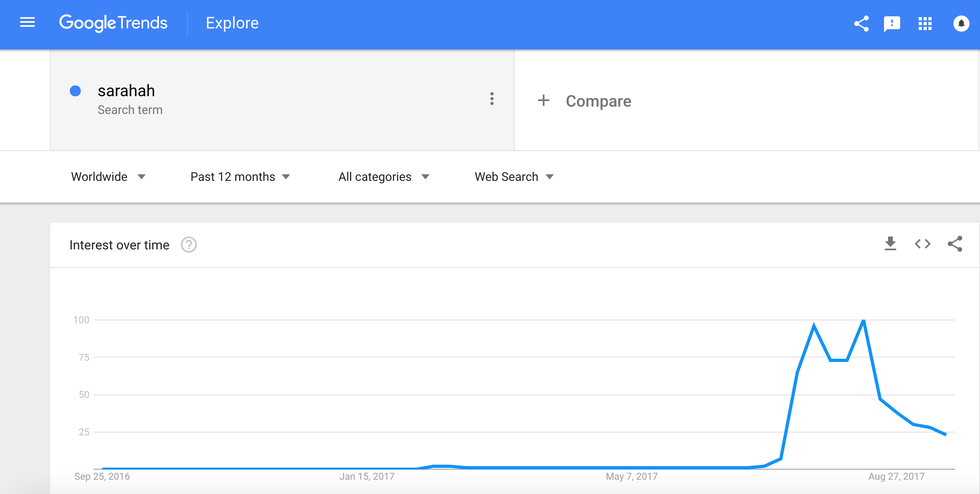
A Google Trends search, shown above, shows a recent spike in searches involving the term "sarahah." The app recently took Snapchat by storm, with users posting their Sarahah links in their stories in hopes of responses from Snapchat friends. Users often respond to the messages in their stories.
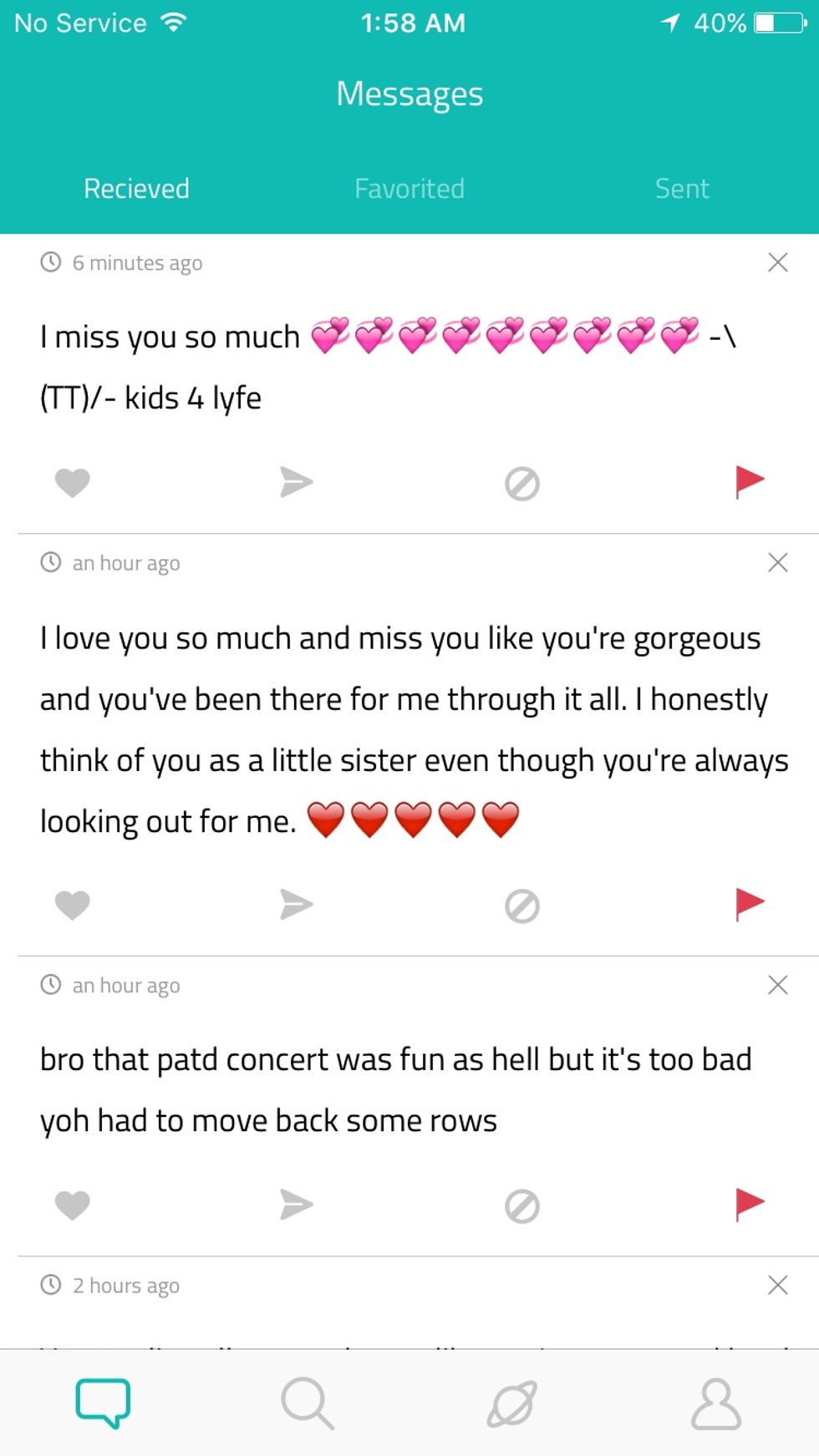
Organizational psychologist Dr. Tasha Eurich appreciates the satisfaction for the desire to understand how people perceive each other that is provided in the app. Evolutionary psychology brings about the idea that groups are necessary to survive, a point Eurich gladly acknowledges.
"When we were doing something that was ruffling feathers, the group could ‘vote us off the island,’ so to speak," Eurich told science and culture website "Inverse". "Being socially ostracized would literally mean death.”
Dr. Eurich worries about the negative effects that come with the anonymity, however. While feedback can be essential to personal growth, those who need it may be left in too vulnerable of a position.
"They might be in a less confident and open position to take feedback," says Eurich. "When people are developing their personalities, they fixate on negative things even more."
The newest app to change the anonymity formula called "tbh" skyrocketed on the App Store charts, holding a number one spot above social media giants Instagram, Snapchat and Twitter. The app, while only available in nine states, already avoids any bullying that the open format of Sarahah may invite. Users remain anonymous but are only allowed to give compliments via in-app polls.

Trends like this may call for new research into the social psychology of the digital age, or developmental psychology for adolescents growing up around new norms.