As a psychology major and aspiring mental health professional, I am a huge advocate for therapy. I have personally witnessed what it can do for people and stand whole-heartedly behind the cause.
Talk therapy has thankfully gained a lot more legitimacy and has a lessened stigma surrounding it, but there are alternate forms of therapy that not many people know of, namely music, dance, and art therapy.
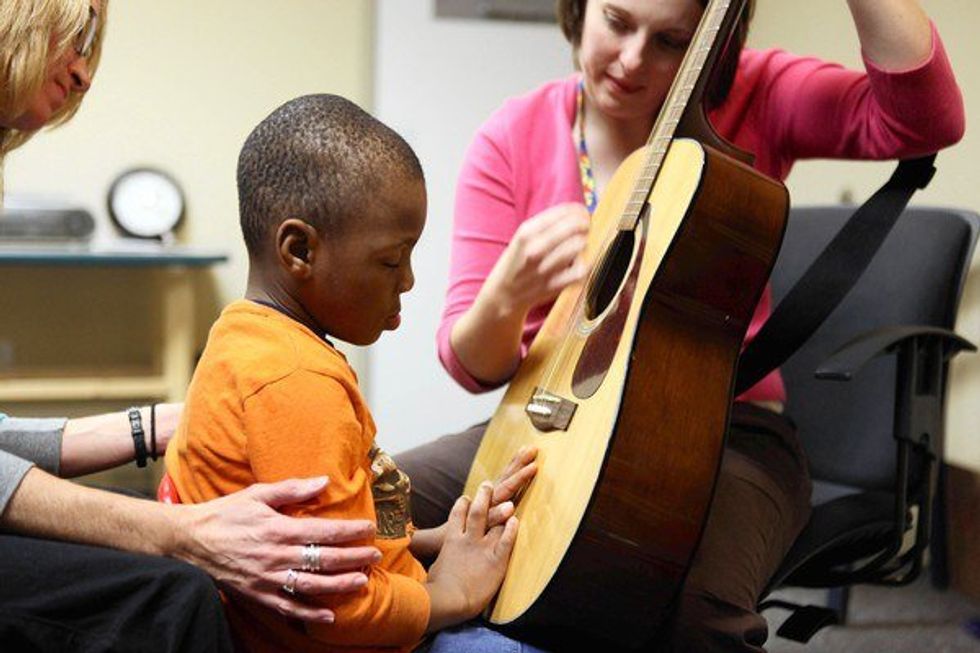
“A lot of people like the idea of music therapy because music is universal,” said Alison Sale, senior music therapy major at Colorado State University. “People may have their preferences but I have never met a person adamantly against music."
There are less than 100 accredited universities in the United States that offer this major, and only two of them are in Sale’s home state of California.
Sale started off her education at Chapman University but quickly realized that California uses a very specific teaching of music therapy called Nordoff Robbins. This type of music therapy is mostly based off of improvisations and Sale, being a classically trained symphony musician, admits this is not her strong suit.
“At CSU we are more evidence based, so we combine research that psychologists have done and what is going on with the patient neurologically,” Sale said. “Then, we learn how music therapy can apply to that person, specifically.”
Being a music therapist obviously requires a very strong set of musical skills so, the first part of a music therapy degree is solidifying musical concepts.
“When I got to CSU I had to learn guitar and piano and practically every genre of music, because if a client likes country, I’ve got to be able to play country!” Sale said.
The second academic part of their degree involves many psychology classes, such as abnormal psychology. They also are required to take functional neural anatomy in order to fully understand how the music therapy is affecting the client.
Before brain scans and brain imaging became prominent, it was difficult for music therapists to legitimize their practices. Therefore, the popularity of the field is tied very closely to technological advancements.
In the past 5 years alone, music therapy has taken off in the field of autism spectrum disorder.
“Because people with autism have been shown to process music better than language, we can often times better communicate with patients through music than words,” Sale said.
And music therapy is not the only alternative method that uses this logic.
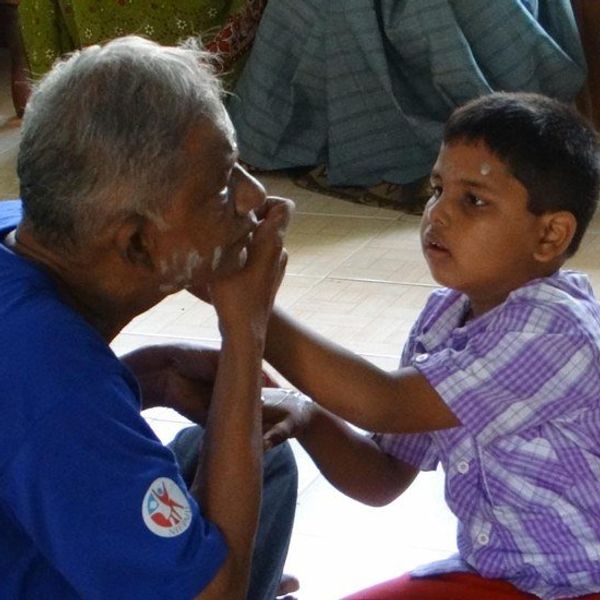
“Dance therapy is playful, less stressful, and communicative, especially when we use dance as a way of non-verbal communication,” said Wei Chen, licensed dance therapist.
A dance therapist’s premise is to work on the mind to body connection, meaning that they use physical movements and dance to enhance other areas of functioning.
“I personally work on building a therapeutic relationship with my clients, trust and non-verbal communication,” Chen said.
Dance therapists find employment in a wide range of facilities including psychiatric wards, treatment centers, rehab facilities, schools, correction facilities and prisons.
Similarly, art therapists can find employment in the same types of places, and because of this, the profession and study has gained considerable popularity.
“I think that since 9/11, more people have become aware of it as a legitimate form of therapy because so many children at the time were drawing to process their experience of the tragedy,” said Margaret Creek, licensed art therapist.
Recent brain studies have shown that many traumatic memories are stored in a part of the brain that cannot be accessed verbally. So, using visual images and tactile mediums, like clay, can often help heal traumas that talk therapy cannot reach.
Alternative therapies are not just for musicians, dancers, or artists. They are simply a different approach to helping people outside of the traditional forms of therapy.