
AI: Autonomous Innovations
Self-Driving Cars & the Loss of Human Nature
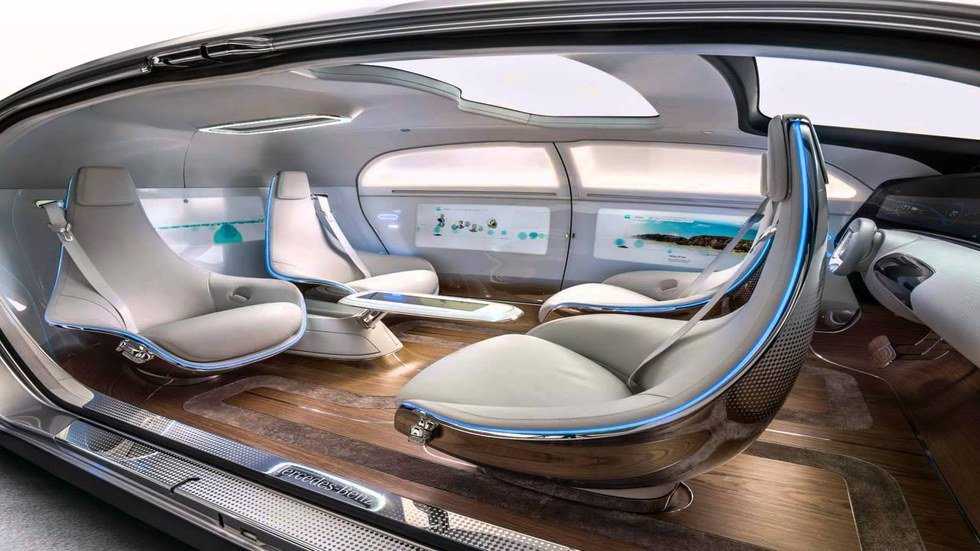
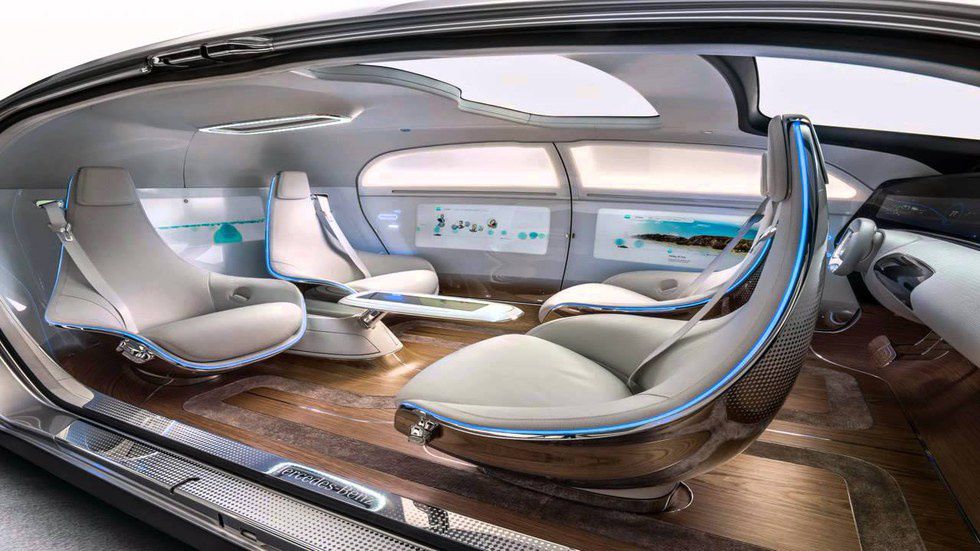
Who remembers the 2001 cult classic movie “A.I. Artificial Intelligence” starring Haley Joel Osment? Don’t worry you can google it later, but this Steven Spielberg film depicted a technologically advanced and futuristic society that relies on robots to serve the needs of its citizens. You should definitely remember “iRobot” that came out three years later starring Will Smith. The setting of “iRobot” was almost identical to “A.I.” and had plenty of scenes that challenged its audience with the difficult questions like, what is more important; technological innovation or human nature? I thought of these films when listening to Bloomberg’s Business Week’s report on Uber’s new self-driving Uber cars launching in Pittsburgh. Tesla and Volvo already have cars with autonomous capabilities on the road and many more car makers have models ready to release to the public. The biggest question I asked myself is how far will our society go with autonomous innovations and how will it affect the next generation?
I love to drive! I’ve been driving since I was 15, currently drive an average of 45k miles per year, and feel that I am a very good driver. I have also been in a few accidents and received more than a handful of moving violations. Never the less I still enjoy the luxuries of whipping around the streets of my city with the windows down blaring my favorite music. I know there is a risk for me to get in an accident or break a traffic law but that’s a risk I’m willing to take to get somewhere on my own terms. Autonomous automobiles provide everyday people with convenience and safety that was previously only available to the wealthy who could afford chauffeurs. Now regular people will be able to take a nap during traffic on their way to work and those who go out drinking won’t have to settle for an inflated taxi or Uber ride. The value of self-driving cars is great but I still feel that it will take the humane feeling of getting from point A to point B out of driving. I know I’d miss feeling the vibrations of the steering wheel in my hands. I'd miss maneuvering through traffic, passing 18 wheelers, and finding the short cut that’s really a long cut but you take it anyway because the scenery is nice. These feelings humanize driving for myself and I know autonomous vehicles will not give me the same emotional connection I have with my car.
On a more serious note, another issue with these vehicles is the artificial intelligence programmed into the cars software to make driving decisions. How reliable are these systems?, can they fail?, and what could happen if they get hacked? The car industry and the federal government has a lot more research to do before large numbers of autonomous cars should be allowed on the streets. Also companies like Uber will definitely experiment with self-driving cars and trucks to save money on payroll and other employment expenses which will mean less blue collar jobs for the working class. This could lead to a great wealth gap between the wealthy individuals that profit off these innovations and the human operators that could soon become obsolete in the workforce.
I understand that autonomous innovations in the transportation industry can benefit our society in many ways but we should also be aware of the repercussions of these innovations. Autonomy is key when it comes to progress but it should never be valued more that human nature. If it ever does we will be on our way to a brave new world in Huxley fashion.
See with your mind and listen with your heart!
- Walker Scott






 man running in forestPhoto by