
Philosophy can make or break you. Sometimes it can make you lose your religion or maybe it'll help you find God. What I've learned this past year studying this area of education is that it will definitely shift your worldview. Whether it's about morality or life after death, philosophy can guide you to the answers. Here are a few philosophers who will make you stop and question the values you've held all your life.
1. William Lane Craig

Craig is most famous for his defense of the "Kalam Cosmological Argument." This argument helps prove the existence of God, claiming that there had to be an initial cause of the universe (that cause being a supernatural being). He sets out to prove that there's a creator of the universe, and Craig has successfully shown that the creator is God.
2. Ayn Rand

Rand is known for her theory of "Ethical Egoism." This argument claims that a human's main purpose is to fulfill their own needs. So in her own words, she believes it is unethical to be altruistic or to help others in need. This hedonistic point of view worked for her because it was all about pleasure and being satisfied.
3. Thomas Aquinas
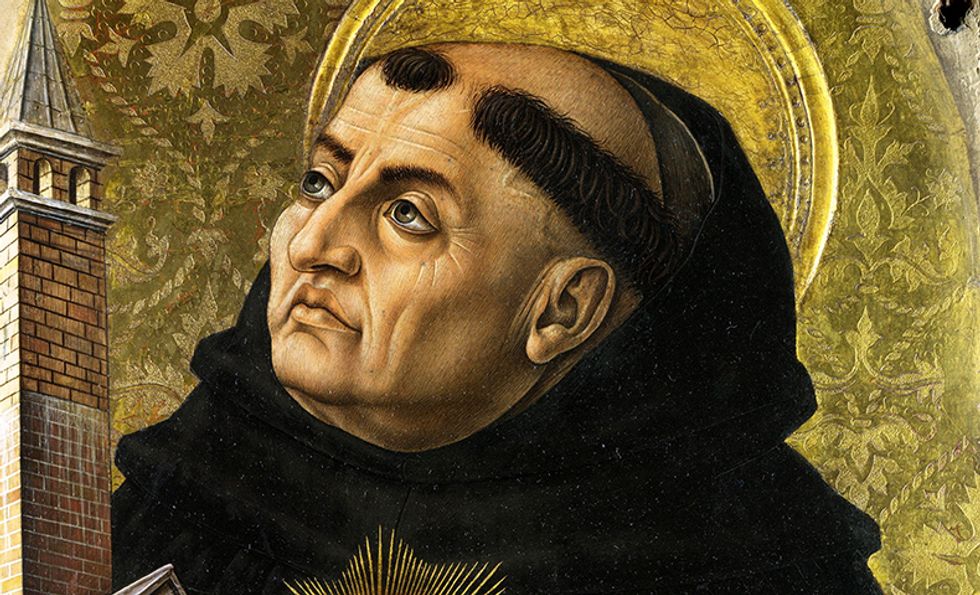
Aquinas is remarkable in this time period because he made a a significant (and accurate) theory on how to prove the existence of God. In today's culture, many believe that there needs to be some kind of empirical proof for God or a supernatural being. Somewhat similar to Craig's argument, Aquinas' version is that there are five main components to the existence of God; the main idea of it being that there is a mover who puts everything into motion.
4. Soren Kierkegaard
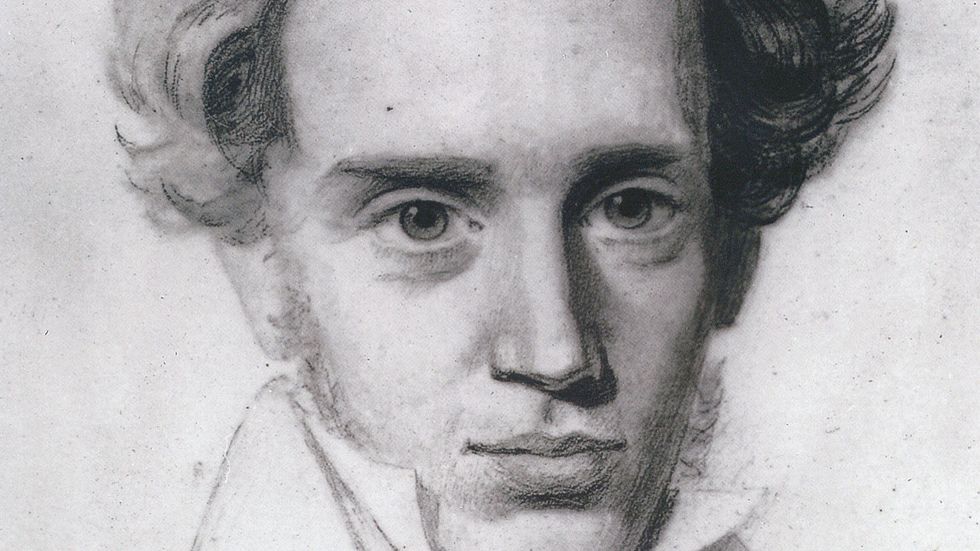
Known as the original father of existentialism, this man is most famous for his idea of "teleologically suspending the ethical." Kierkegaard believed that faith and reason couldn't coexist and that blind faith in God is enough. In the end, he sets out to prove that the idea of believing in God is absurd. He is the reason why we have the phrase, "a leap of faith."
5. Jean-Paul Sartre
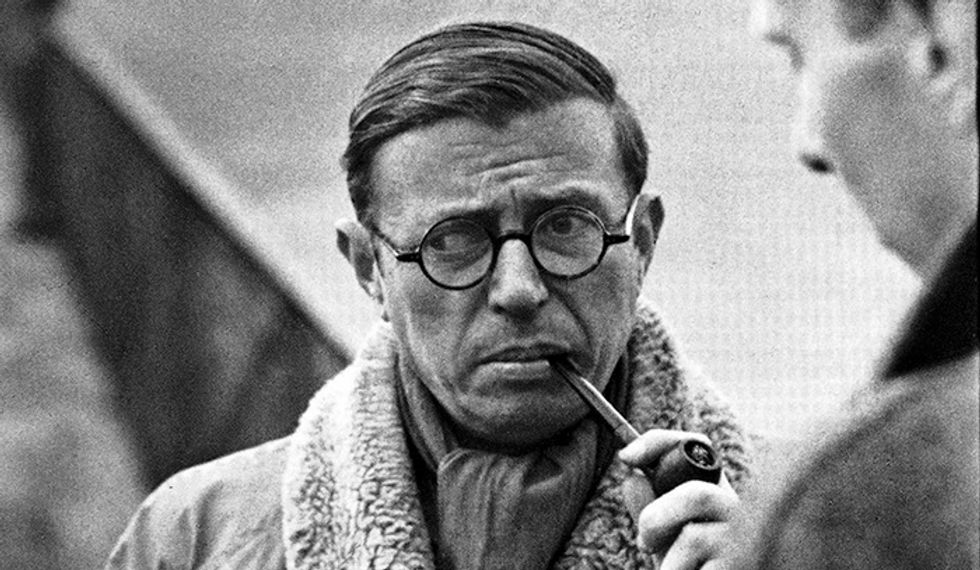
Also known for his support in existentialism, Sartre believes that humans had complete free will over themselves, meaning that that it was up to us to create our own purpose. He supported the idea of existence being meaningless and insignificant.
6. Immanuel Kant

Unlike Sartre, Kant believed that humans were rational beings. However, he was also big on empiricism, meaning that he thought knowledge was only experienced through our five senses. In the end, Kant supported transcendental realism and empirical realism.
7. Epicurus
If you're familiar with an "epicurean philosophy," then you should thank this guy. Epicurus is most known for his school of philosophy, supporting the idea that the purpose of life is to live only in pleasure. Unlike hedonism, where they believe we need to indulge in pleasure, epicureans believe in the idea that a simple life is enough to gain pleasure. To put it simply, living a minimalistic lifestyle should be enough pleasure in our lives to get by.
8. Friedrich Nietzsche
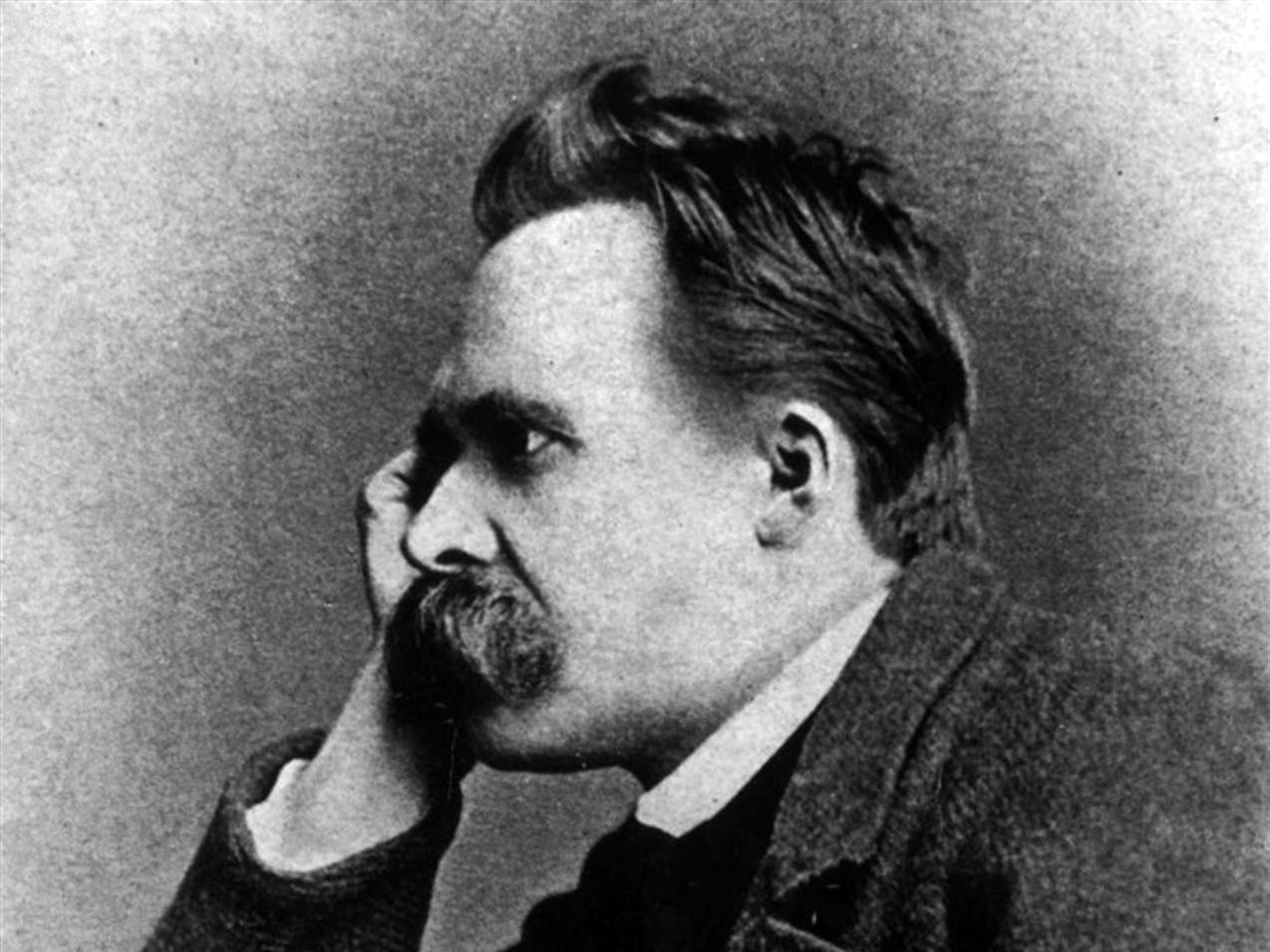
The greatest nihilist and existentialist of them all. His impact on Western philosophy will forever leave a mark on our culture. His famous line, "God is dead" challenged the traditional ideas of christianity and theism. He believes that life is meaningless and that there is no absolute truth or morality in our lives. In the end, his relativistic ideas were convincing, but not reliable.