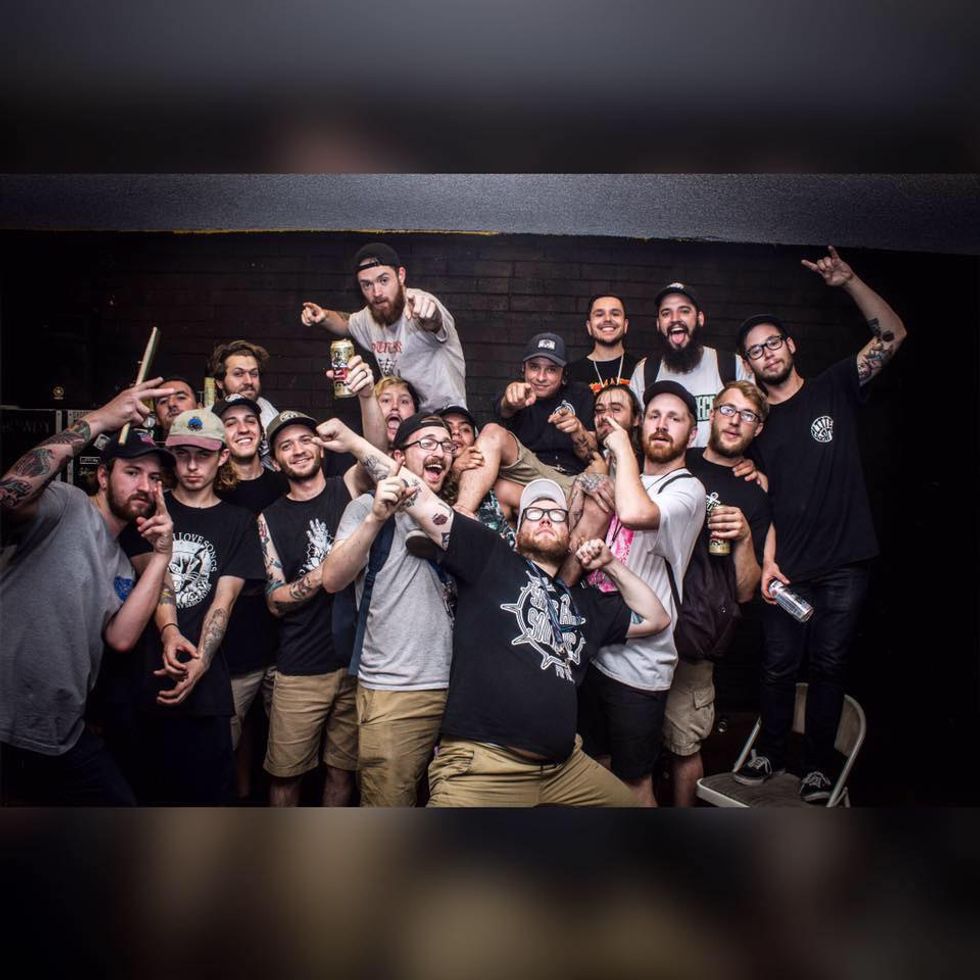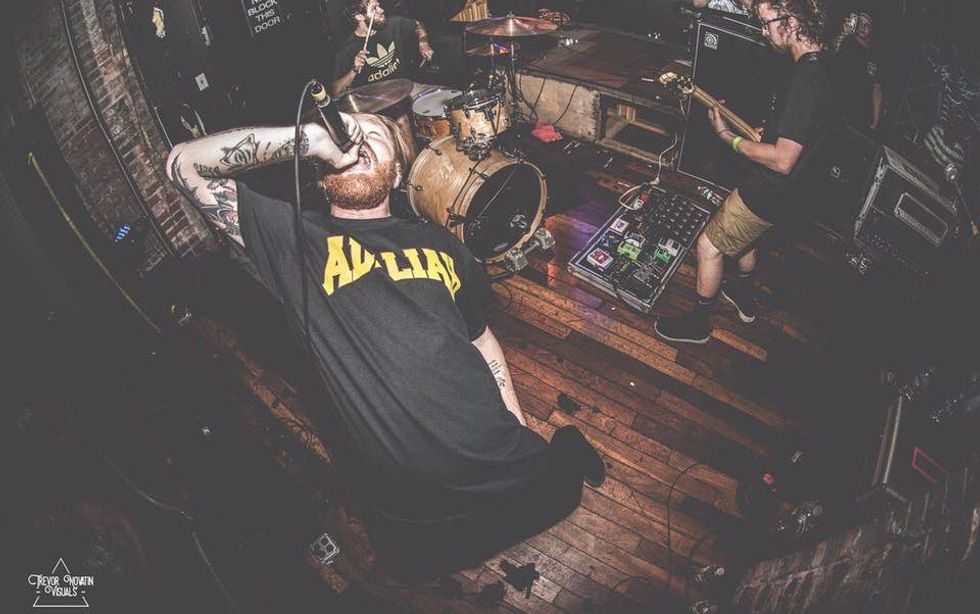
The cover photo is courtesy of Trevor Novatin Visuals. You can find more of his photography here.
Many bands are taking to the road in the form of DIY tours, as well as small runs. Spreading music and live performances across to new areas is very important for smaller bands in the industry. This week, I have teamed up with Greg Kolb from the band Bungler. Together, we are here to discuss some important topics when it comes to touring as a smaller band.
1. Making sure you are ready for tour.
This section might sound self-explanatory, and even a little useless. But it is important to make sure you plan your tour properly. Set yourself up for a successful run. Have your van in working condition. If you need to rent a trailer, make sure you lock it in ahead of time so you are not scrambling. This section is critical for band members who often lack in the coordinating and planning.
Make sure you have your route planned, allow for extra time. If it takes 7 hours to get to the next venue, plan when you are leaving each city. If you are looking for places to crash and couches to sleep on, try reaching out to contacts before tour starts. People are generally more willing when they have time to prepare for guests, as opposed to being thrown in an under the gun situation.
Trying to throw together dates while already on the tour is a bad time. Yes, shows are cancelled once in a while. But if you plan a tour with open dates, you probably won’t stumble upon shows while you’re already out.
2. Plan for the unexpected.
This section goes along with the first one, but we feel that it is essential to hammer into your brain how important the planning sections are. Things happen on the road, and it isn’t okay to simply not be able to solve the problem. The van can, and often will break down. You are driving many hours and many miles every single day. Have a way to contact mechanics and roadside assistance at all times.
Keep phone numbers of friends handy. You never know when you are going to break down in the middle of rural countryside and need to call the closest person you know to help you out. Friends all over the country can help you out with local knowledge if you need it. If your show is cancelled, they may be able to arrange a backup for you. Always keep people in mind when you are in their neck of the woods.
Stolen gear and personal items are potential problems that can arise. Be prepared to always keep an eye on your stuff, your band members, the van, and the trailer. Lock up constantly. There are bad people all over the world, and stories of stolen possessions happen far too often today.
3. Talk to everyone.
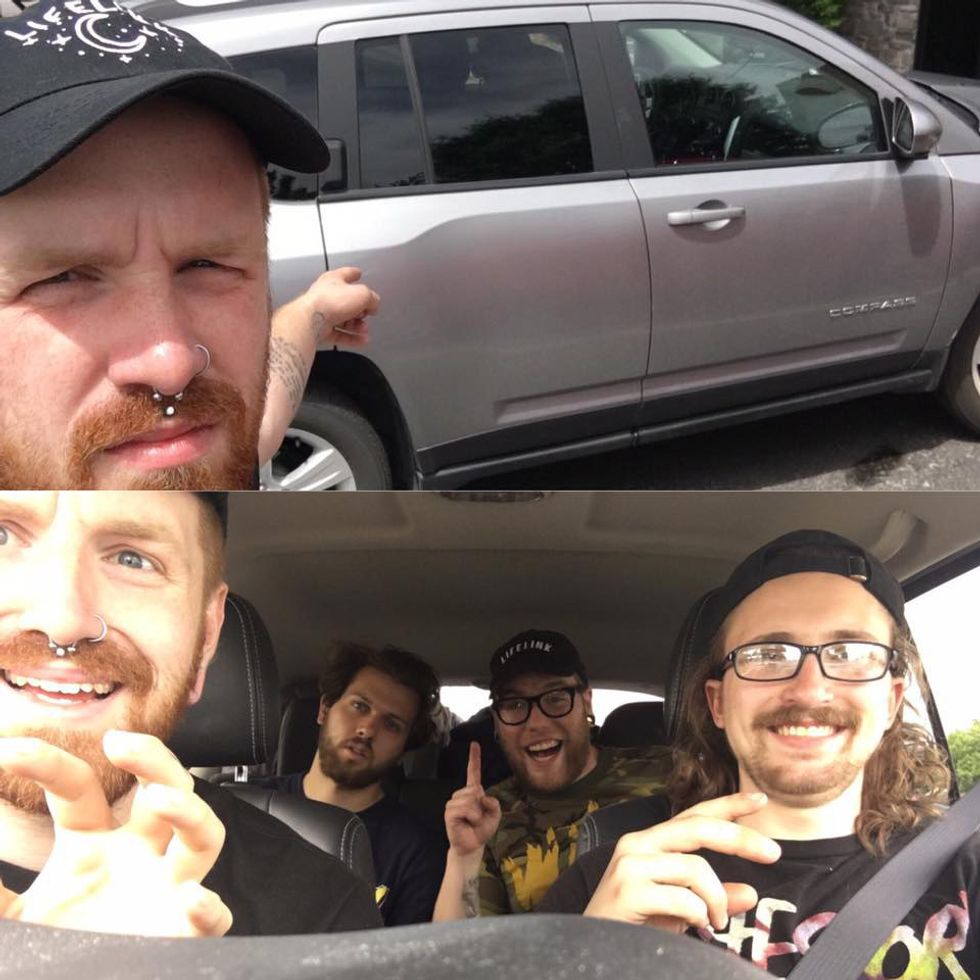
This is my favorite piece of advice from Greg. “The number of people I’ve met through different shows is incredible.” This statement resonates with me, and many of the people I’ve met throughout life. In fact, Greg and I even met through attending shows together.
Attending shows allows you to become a part of a community. That community is bigger than just one person, or one band. Together, bands and fans grow as a part of this community. You may be in a different part of the world, playing in front of a crowd of unfamiliar faces, but music is music. Every show is a congregation of people that are there for one reason, music.
People that we meet at shows become a lot more in our lives than just show buddies. Greg and I can attest to this with countless examples. Many of these people have become close friends with us, and they support our endeavors. Friends help friends, and together build something larger than any one band can.
4. Keep your composure at all times.
Greg had this section worded a little differently, but I think it can stretch into personal responsibility. It is important that you keep yourself under control before, during, and after your performance. Especially on the road.
It is important to display your art the very best you can, and that is not possible to do while heavily under the influence of any substances. While you should be enjoying your time at the show, you are there to perform in front of other people. This is your primary job. This is why you came out to the middle of another state and drove several hours to get there.
When you come to another town, you need to show the best possible version of your band. People are watching, even if only a few. How you perform, as well as how you act are vital components in swaying their decisions to enjoy and support your music.
5. Tour with artists you get along with.
Nothing is worse than showing up at a venue every day and dreading interaction with another band. Playing music is supposed to be enjoyable. It is in your best interest to enjoy who you tour with. This helps with keeping your composure while on tour.
Fights, altercations, and avoiding other bands makes it difficult to perform at your best. It makes it difficult to enjoy the fun parts about touring and playing music and doesn’t help to offset the grueling demands that touring puts on bands.
6. DIY does not mean unprofessional.
Show up on time. Even early. Load in and out on time. Set up and tear down quickly. Promoters will be happier with your band, and it will allow the show to run smoothly. This results in booking gigs, and creating positive impressions with important people in the music scene.
Positive relationships are incredibly important, especially for smaller bands. No one wants to book a band that can’t return a confirmation, shows up after designated load in time, and runs their set long. This section applies to everyone, even local shows. You are everything you put yourself out there as, and that should be professional.
7. Have fun.
Touring should be an enjoyable experience. Seeing new cities, new faces, and being surrounded by your passion. It is okay to stress when something goes wrong, but it is definitely okay to enjoy being surrounded by your band singing along to the radio on the way to the next show. Touring should be your escape from a mundane work week, pencil pushing, or food making hell. Treat every single experience like your mom has baked fresh cookies. Get excited on stage, look like you’re having fun. But don’t just look the part, enjoy every second of it.
As a small band, touring does not last forever. It may only last a few days, or a few weeks. Make the most of every new discovery, every friendly face, and every tourist destination you have time for along the way. Come to the venue ready to play the most enjoyable set of your life, and always be hungry for more.