
College is full of exciting experiences, but enjoying them to the fullest while still making good grades involves becoming an expert at time management. Even better, use these ideas to automate some of your learning with tools you may already own and use, or want to become familiar with soon.
1. Tap Into the Educational Capabilities of IFTTT

IFTTT is an application that automates your life through the use of triggered actions. One event causes another and prevents you from having to deal with so many repetitive tasks. There are numerous ways to connect studying with an action IFTTT can carry out.
For example, use the app to automatically send articles you find online — research for an upcoming essay, perhaps? — to a read-it-later service or depend on a to-do list function that keeps you on track to fulfill your study-related intentions and sends you a summary of completed tasks. IFTTT is an extraordinarily powerful app, and the more you understand what it can do, the more likely it is you’ll find ways to incorporate it into your study efforts.
2. Let Alexa Help You With Flashcards

Flashcards have served as the trusty companions of many college students, particularly when there are big exams just around the corner.
If you have an Amazon Echo, Tap or Dot and your physical flashcards look a little dog-eared, activate a new Alexa skill that allows the personal assistant to take you through designated sets of flashcards. Known as Quizlexa, this skill can also go back over the cards you don’t have down pat yet.
Give this tip a try when you need to ace an upcoming test and don’t have roommates or friends available frequently enough for consistent quizzing.
3. Make Your Amazon Echo Read Audiobooks

Some people absorb information more readily when hearing it as opposed to reading words on a page. If that’s the case for you, get your Amazon Echo linked up with Audible.
After making an account and purchasing spoken-word materials from Audible, you can use easy-to-recall commands to ask Alexa to play certain titles. It’s also possible to make Alexa go backward and forwards in the audiobook, which is potentially helpful for solidifying concepts in your mind through repetition.
4. Set up Google Reminders, So You Don’t Forget Stuff
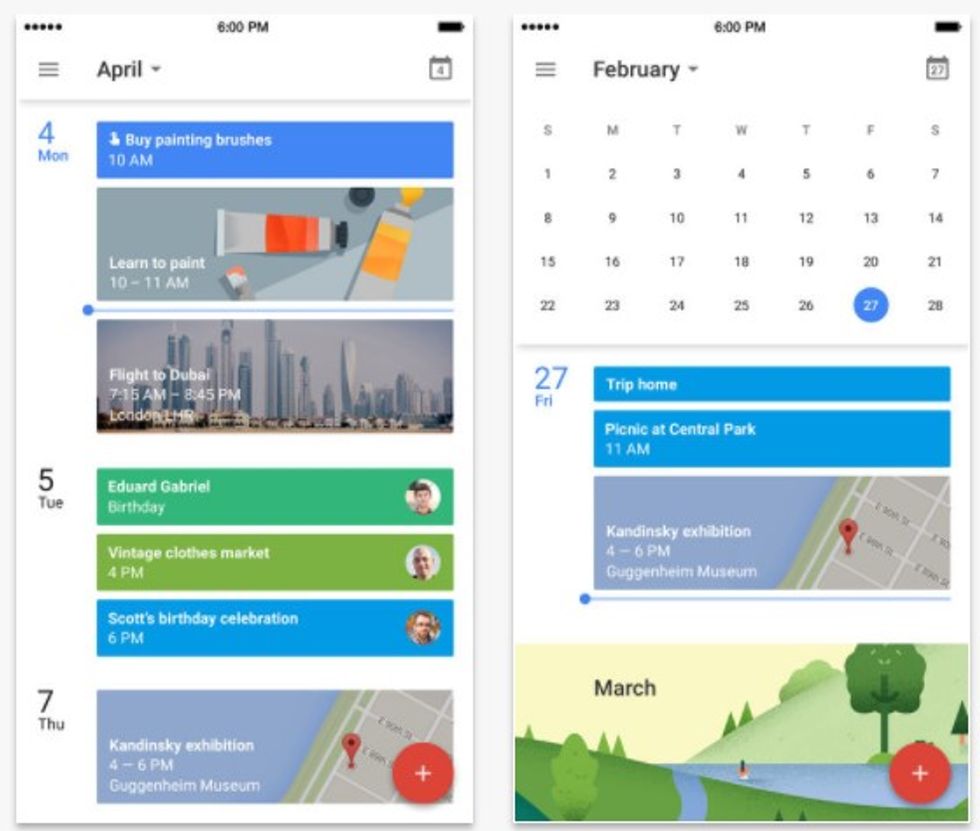
Let’s face it. As a college student, you have a lot on your mind. Fortunately, thanks to a cool tool called Google Reminders, your smartphone can jog your memory. That way, you won’t forget to meet a classmate in the library for a cram session or see your professor during office hours to learn how to earn extra credit.
Look for the Reminders option within Google’s menu, or simply speak the “Remind me” command into a smartphone that has Google Now on it. There are various ways to receive automatic reminders to shape study habits.
Recurring reminders are good when trying to form a new habit, such as reviewing your psychology class notes every two hours before an upcoming in-class quiz.
You can even get location-based reminders. Load those into a compatible device if you’re away for the weekend but don’t want to let your study schedule lapse. When Google Now senses you’ve reached a place, it’ll send you a reminder. So, you could look at your planned travel route, pick out destinations and have Google Now deliver reminders when you reach them.
5. Choose Cortana to Study Languages
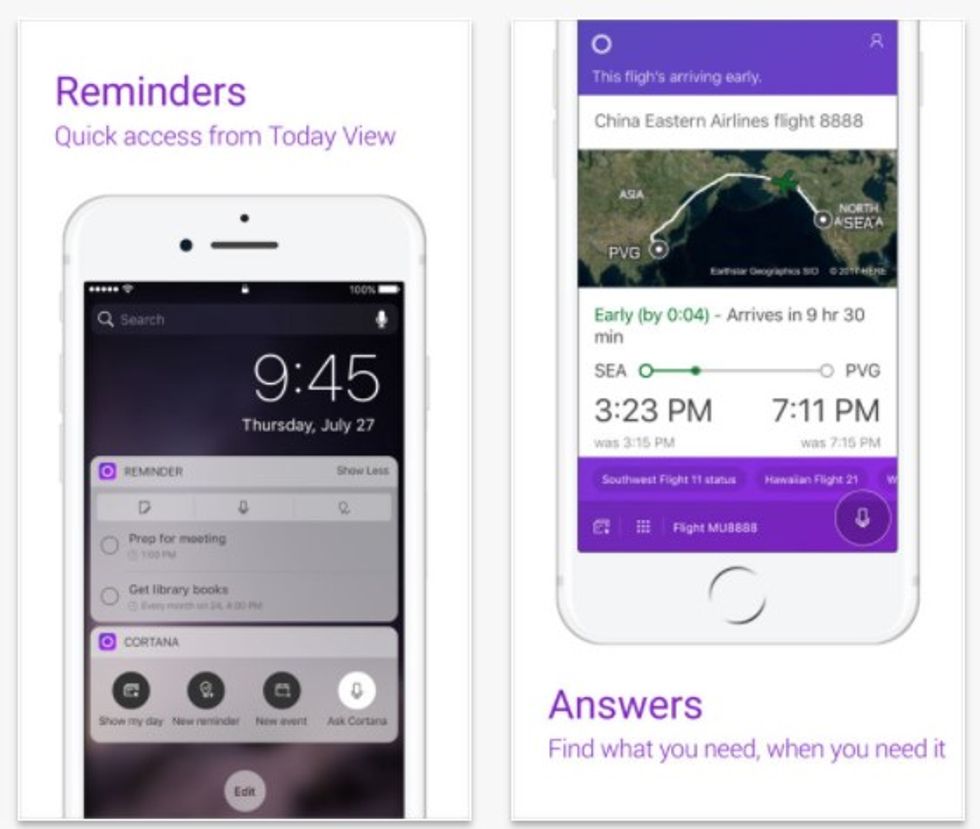
Cortana is Microsoft’s version of a personal assistant, and you might already have it on your smartphone or tablet and not even realize it. If so, set it up and start understanding more about how Cortana and college go hand in hand.
One way Cortana excels is while diligently working your way toward eventual fluency in a foreign language. Cortana works with Microsoft Translator, and together, the two can interpret spoken words, typed text and even images with words in them. Support for dozens of languages means you can feel nearly certain it’s compatible with whatever foreign tongue you’re learning this semester.
6. Receive a Word of the Day From Alexa
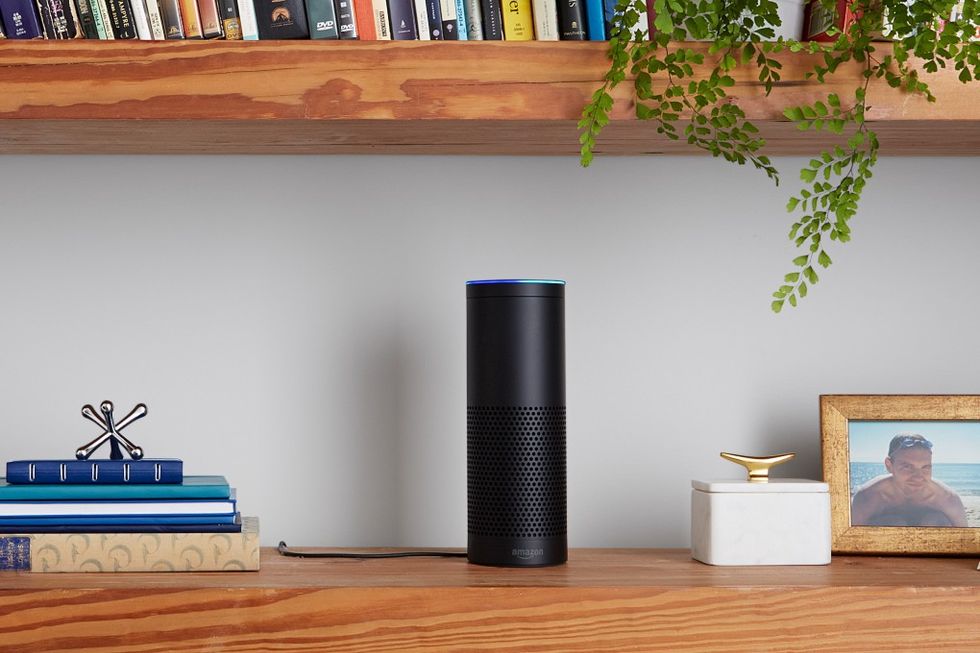
You’ve already found out how to enable Alexa to read you sets of flashcards, but what about teaching you things you may never have heard before? As you might expect, there’s a skill for that. The Word of the Day could equip you to impress your English professor with an ever-growing vocabulary.
Every day, it teaches you a worthy word, plus defines it and gives examples of how to use it in a sentence. Due to the regular flow of words, you could be surprised with how natural it is to start using some of them automatically.
As you can see from this list, it’s not hard to help your brain absorb new information or retrieve it as necessary, especially while using tools that support your study schedule.