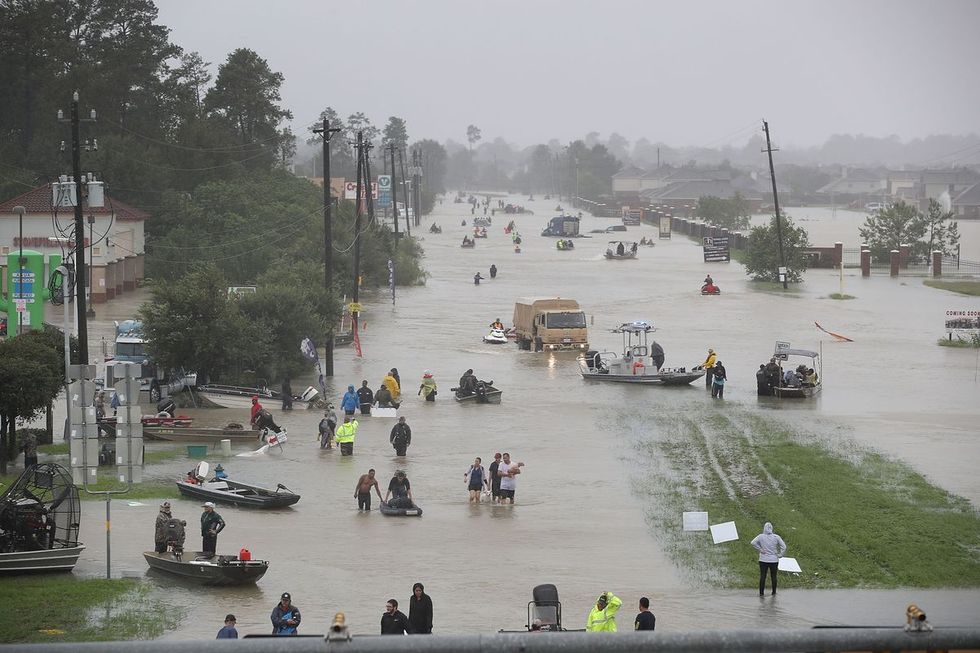
As a native Houstonian, seeing the devastation my city has faced has been heart-breaking. Living west of Houston proper, my family and I went through some Harvey troubles ourselves, including being under a mandatory evacuation. Yet, I still cannot wrap my head around the impact Harvey had on the entire region of Southeast Texas, which later moved into Louisiana. On top of the immediate effects from Hurricane Harvey (winds, rain, flooding, etc.), Harvey also raised great concerns about rivers reaching record levels, and the city’s reservoirs reaching capacity. Controlled releases caused many houses to flood after Harvey had done its damage, meaning many houses who did not flood from Harvey’s rainfall, flooded from the controlled release of the reservoirs. County and city officials had to make crucial decisions to figure out where all the excess water could go. My family did not suffer any flood damage and remained safe and dry throughout the entire near-weekly ordeal (even with the Brazos River breaking our previous flood level’s record), and I truly feel a little guilty being so fortunate.
I wanted to write this article because as someone who experienced Harvey’s wrath of pounding rains and constant fears of tornadoes and flash floods, it is even hard for me to comprehend just what all Harvey did. I cannot imagine someone living outside of Texas having a clear grasp on it either. I put together these 6 points, and I feel they really give a good grasp about what went on.
1. Do not donate to the Red Cross
Now, I am sure people have seen this all over social media about why not to donate to the Red Cross. I tried to get it as black and white as I could with the numbers because every article varies with how much each dollar donated goes to the people in need. While I wish there was more clarity, the best example is how their funds were used on the 2010 earthquake in Haiti. Many of the articles that have been written in the recent days following Hurricane Harvey have quoted other articles and studies that were done following the spending of funds for Haiti in 2010. First, “NPR had reported that 25 percent of the money donated for Haiti to the American Red Cross after the 2010 earthquake went to internal spending”, NOT relief for the victims.
A study released by Sen. Charles Grassley, R-Iowa, concluded that the Red Cross had spent $124 million — one-quarter of the money donors gave for earthquake relief in Haiti in 2010 — on internal expenses. (NPR)
As if that isn’t a startling number, the way the organization handled building housing was inexcusable.
The venerated charity raised nearly $500 million after the disaster, more than any other nonprofit, but an ambitious plan to build housing resulted in just six permanent homes, NPR and ProPublica found. (NPR)
Another article refers to the “investigation” done by NPR and ProPublica and says “According to the story, the organization had at that point had claimed that it had built enough homes to provide shelter for 130,000 people- but it had actually only built 6” (Time). Where did all that money go? Why was it not used to aid the people of Haiti who needed their assistance? Haiti’s example is really the only thing I could find to quantify numbers, but I have heard many more stories similar to this. I would much prefer to donate to specific charities in the area that was impacted.
If you want to help and donate to other organizations specific to Houston, please donate to the Greater Houston Community Foundation, the Houston Food Bank, and/or at YouCaring for the Houston Flood Relief Fund organized by JJ Watt. These are just my suggestions of charities and places to donate to that will put your donations to good use.
2. Houston was not the only city affected.
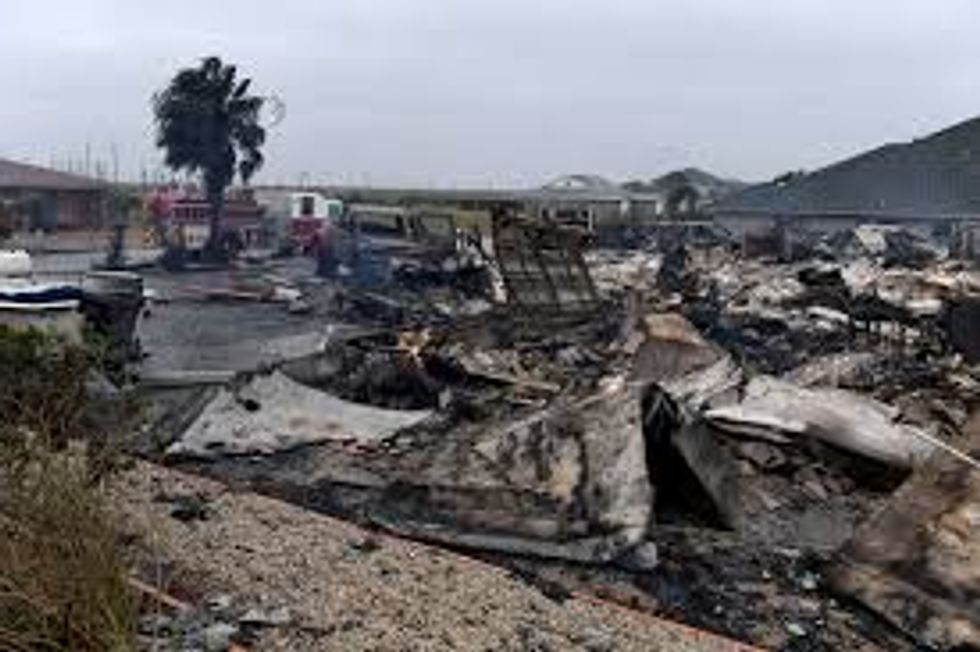
Hurricane Harvey made landfall near Rockport, TX. It's wrath continued on many coastal cities including Port Aransas, Magnolia, Corpus Christi, Matagorda Bay, Port Lavaca, and much more. It moved east and affected Beaumont and Port Arthur and their surrounding areas. This is all before moving into Louisiana. So, while Houston got inundated with flooding, the coastal cities got wiped clean. Here is a site from an area of Rockport.
3. If you did not experience it, you have no clue about the sheer amount of rain Southeast Texas experience too.
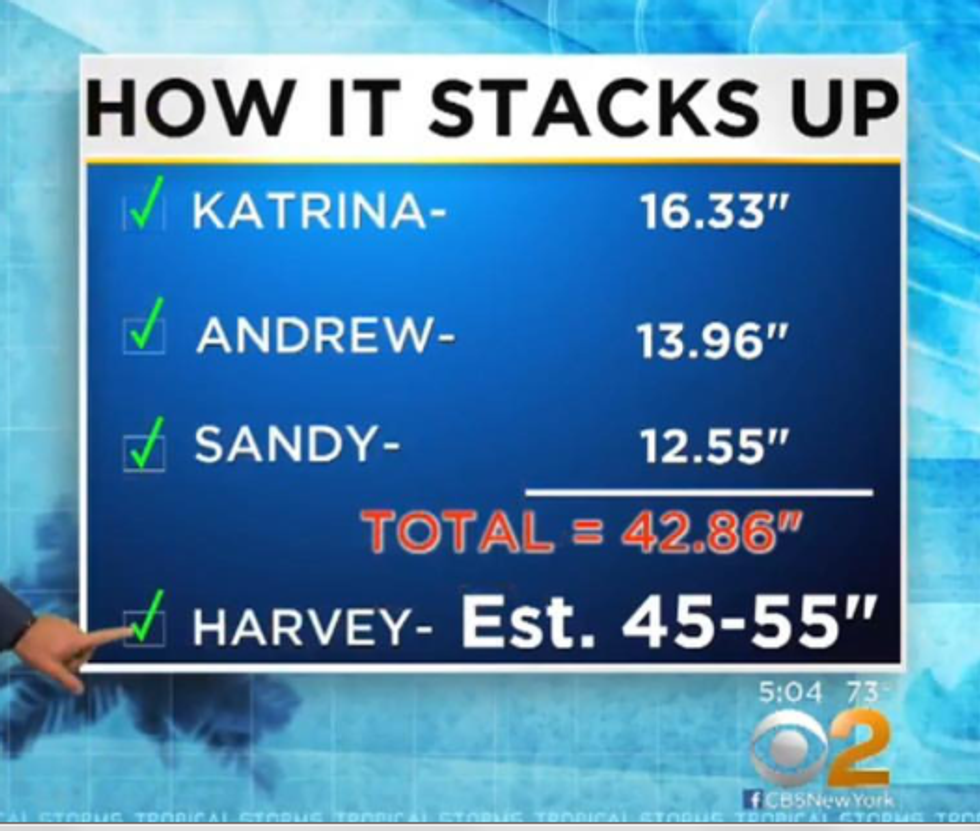
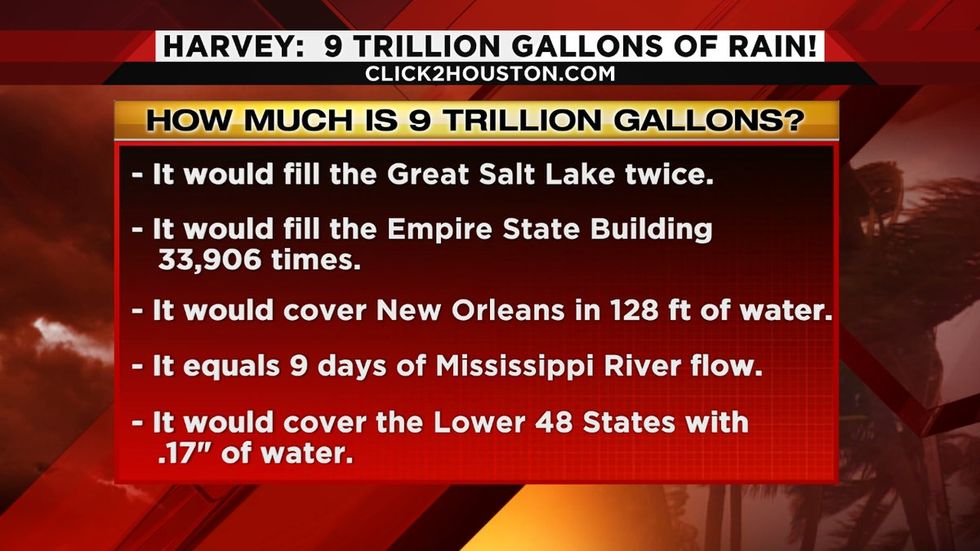
I will let the numbers just speak for themselves on this one!
4. Even if you were not directly hit by the devastation, no one is ok.
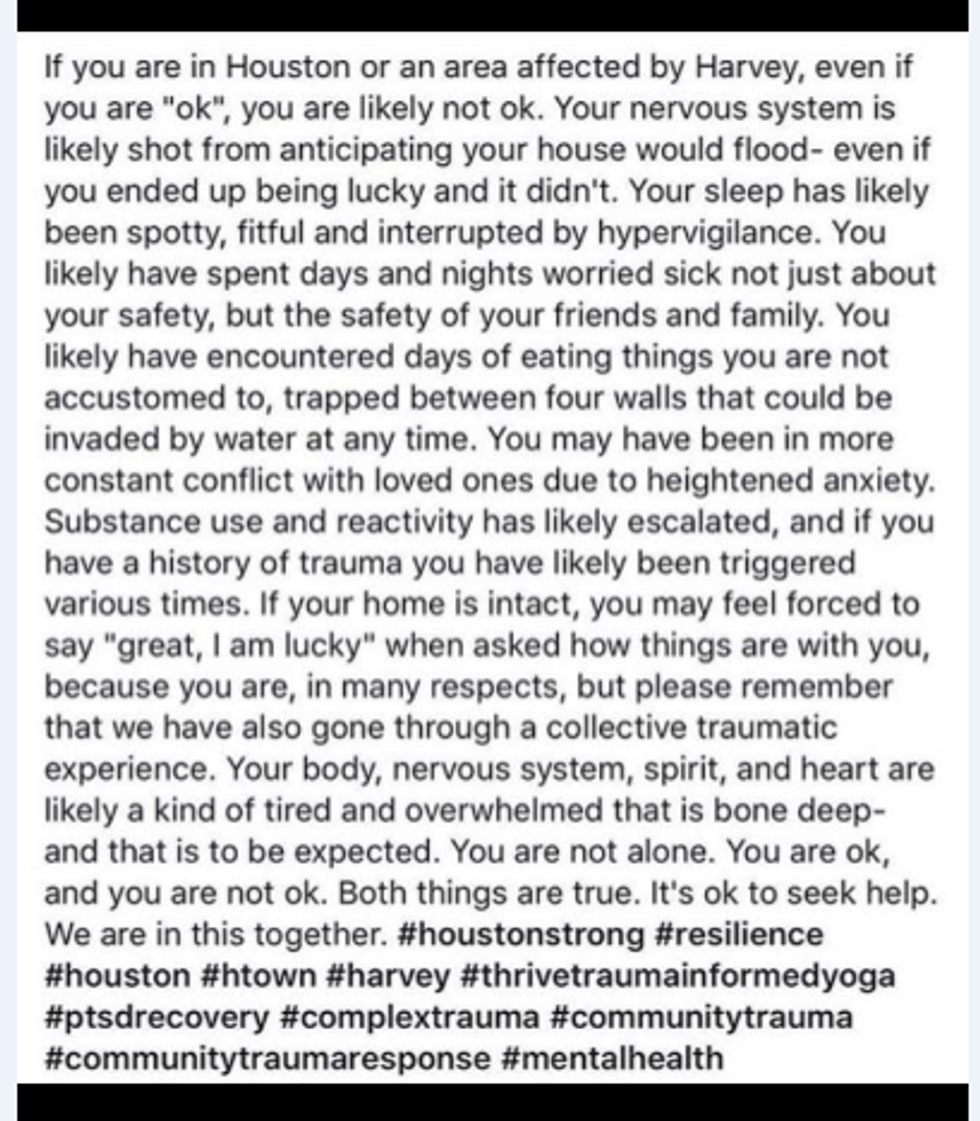
A post that has been floating all over my social media is this:
I think this post encapsulates pretty much what people like my family went through. Many of which held true for me personally. This brought a perspective to many of my friends and family. We are okay, but also not okay…and that is okay.
For my county, there was a period of two days where we got tornado warnings anywhere from every 15 to 45 minutes. So, that scary amber alert noise that freaks you out in the middle of the night? That is what we heard all day for two days, which included tornado and flash flood warnings. Still, it compares to nothing when we would watch the news seeing people being rescued from their homes. It was just heartbreaking to watch.
5. Stop saying that people should have evacuated, it's not that simple.
NPR has a great article that pretty much breaks everything down on how CORRECT Houston Mayor Sylvester Turner was in NOT EVACUATING. With Harvey escalating to a Category 4 hurricane so quickly, the few days’ notice would simply not be enough time. NPR quoted him from one of his many press conferences he gave to keep the public informed:"You literally cannot put 6.5 million people on the road," Mayor Turner said Sunday, explaining his decision not to call for evacuations. "If you think the situation right now is bad, you give an order to evacuate, you are creating a nightmare."
With an evacuation that's not planned far in advance, "you are literally putting people in harm's way, and you're creating a far worse situation," he reiterated Sunday. (NPR)
If you were to add the coastal cities and their populations on top of the entire Houston metropolitan area, it would be horrific and likely that even more deaths would have occurred than during Hurricane Rita’s evacuation. In an article from the Houston Chronicle’s online website, Chron.com, in 2005, “a Chronicle survey of Houston-area counties and those along major evacuation routes to the north and west indicates that at least 107 people were killed by last week's hurricane or died in accidents or from health problems associated with the evacuation of 2.5 million people from their homes” (Chron.com). In a recent article regarding the criticism about not evacuating, the New York Times reports that “some 130 people died” during the Hurricane Rita evacuation. The author of the article, Bill King, gives additional compelling reasons why he backs Mayor Sylvester Turner’s decision (give it a read if you’re still curious).
6. Most importantly, we are resilient!
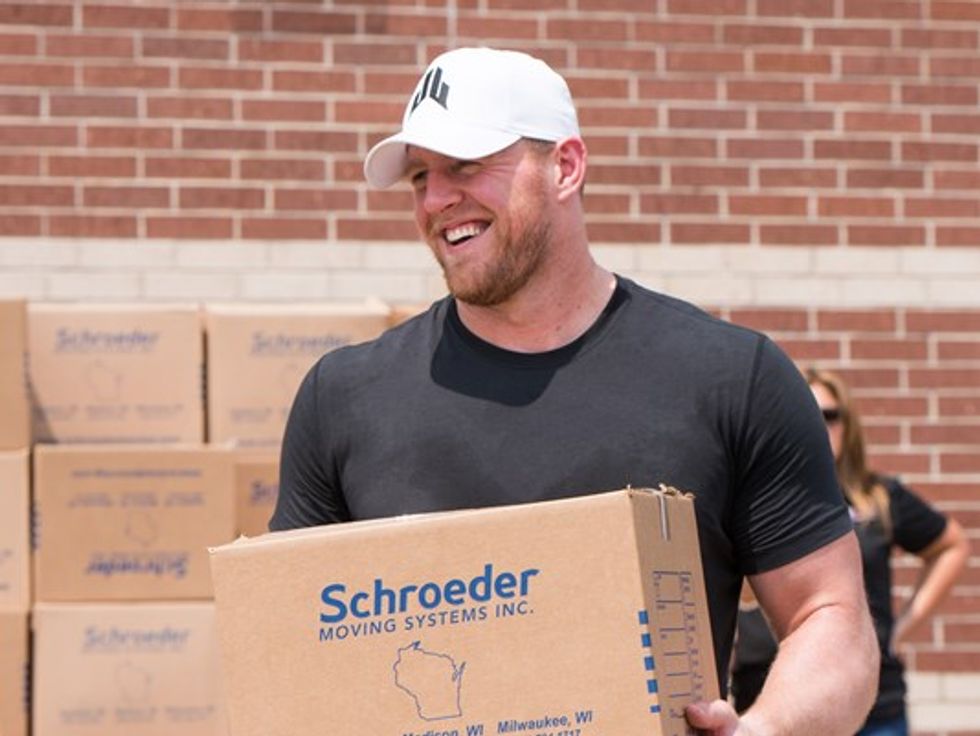
This tragedy has made my heartache, but the way my Texans have responded has never made me more proud to be from Houston, TX. There are lines of people waiting to volunteer, strangers helping strangers clean up and rebuild, people just going from one house to the next pulling out drywall and insulation… it is incredible. Houston figures like “Mattress Mack” aka Jim McIngvale, who owns Gallery Furniture opened his doors to his locations almost immediately for shelter.
JJ Watts has now raised over $27 million dollars to help give back to Houston. The Cajun Navy played a VITAL role in rescuing citizens. Our first responders, the private citizens who went out with their boats, all the volunteers at shelters all over Texas: Thank You. The work these people have accomplished is staggering. I am so proud to be a Texan and a Houstonian. We are gonna have a comeback like no one has ever seen before!