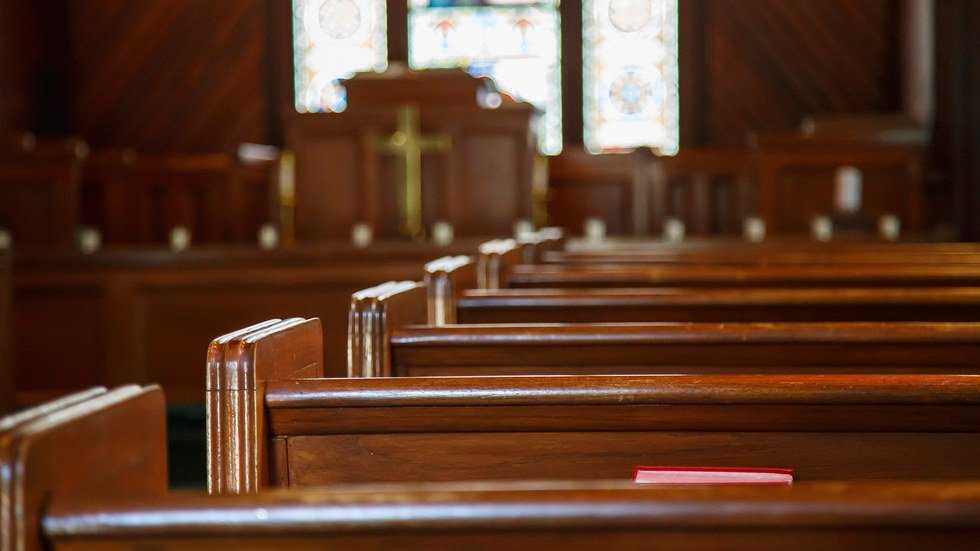
Growing up Orthodox Catholic has made me many things. For one, a near vegetarian (having been denied meat for two-thirds of the calendar year does have its consequences); for two, a deeply involved community volunteer; and for three, a passionate and always-questioning atheist.
Culture and religion fall hand-in-hand. For most, one without the other just doesn’t make sense. So when children like myself decide to rip off the scab of religion, leaving an empty and sore hole with little to fill, a lot comes to mind. For first-generation atheists like myself, there will always be a list of unanswerable questions awaiting the “quick-fix” of a personal religion, but we choose not to indulge them. Instead, we focus on (or grow apathetic towards) what else life has to offer, taking into account only what we can verify ourselves.
1. Gratitude
Recently, my sister was awarded a scholarship for her musical ability. Coming from a lower middle class family, this aid wasn’t just good news; it was an answer to months of prayer.
“Thank God,” My mother would say, “Thank God. Thank God. Oh, thank God.”
Few words beyond that left her mouth in regards to the scholarship. And beyond a minor follow up and thank you letter, no acknowledgement for the donor(s), coordinators, or committee members behind the scholarship was ever given.
As a kid, this always surprised me. I was taught that the best way to thank someone was through physical action (a thank-you letter or hug), but never through genuine appreciation. Instead, thanks was to be “offered up,” as if all the “thank you”s and “you’re welcome”s in the world were to be delivered spiritually through some supernatural means. But as I grew up, I became very familiar, as we all do, with the bitterness of underappreciation. Certainly, a lesson in humility follows every thankless task; but as both a millennial and a sensitive soul, I came to know the value of openly expressing gratitude -- not just directly to the giver, but also to myself through constant and ageless reminders of the many wonderful things that have come my way over the years.
2. Honest and original purpose
Very few faiths leave their followers without direction when it comes to finding their purpose, or “role” in life. As a Catholic by birth, I was given very limited options in regards to my adult life. Certainly, I was given freedom in regards to occupation, but when the conversation of marriage began, it was either a husband or the monastery.
This came off to me as a lack of options and a restriction placed on my personal expression. I, as well as many young Catholics I grew up aside, reacted violently within our teenage years to the strict behavioral guidelines and modest dress code. But as I grew older, I began to see just how wonderful and comforting these guidelines would become later on in our adult lives.
Out in the “real world”, as so many of us call it, there are no explicit or detailed rules regarding how one’s beliefs should play into one’s behavior and day-to-day actions, although the two directly correlate within almost every circumstance. This hit me (very hard, I might add) when I entered college, as I had already stepped away from faith so many years before.
When living alone as an independent and a young college student, things can easily get out of hand (referring not only to the law, but also to how one views the world). Suddenly, I could choose what to wear, what to eat (hamburgers on a Friday, anyone?), and whom to associate myself with. For the first time, I could have open and honest conversations with others of different faith and cultural backgrounds without having to jump to defense over every little thing. The freedom was, and still is, amazing, but it certainly comes with a cost.
Just as steadfast as are those of faith in their moral and spiritual codes, I am without one. When identifying myself faith-wise, there are times I must resort to my parent’s faith purely for personal safety.
Identifying as an atheist has brought about some of the most interesting conversations I’ve held, but it has also forced me to address why exactly I am alive and what I plan to do with my undetermined length of time here. It’s uncomfortable and sometimes borderline terrifying, but it has allowed me to go beyond the cozy habits of traditional religions and get to know myself through nothing but my personal-yet-communal life experience.
3. How to appreciate beauty
When you have no symbols or godlike figures to worship, you begin to realize one of two things: Either everything has value and should be treated as such, or everything is meaningless and isn’t worth your time or respect.
I consider myself lucky to have taken the first approach.
When you are not told what to appreciate, everything becomes the center of attention all the time. It’s overwhelming and stressful and beautiful. From nature, to food, to bare human interaction, every sensory experience becomes something worth rejoicing in and appreciating. And although we all have our bad days, existing in the temporary allows you to live with the confidence that a string of good days will return. Depression passes, happiness passes, emotions and pain fade in and out, all in their own ways. And as frightful and uncomfortable as such a belief may be, understanding how to live without universal expectations is just the life of one without faith.
4. The value of a Sunday morning
One thing that every major religion got right was the need for holy days, be they a weekday, holiday, or astronomical season. Regardless of how well we manage stress, we all need breaks. Be they spent in prayer, meditation, or simply sitting on the couch catching up on those last few "Friends" episodes, off-days are a must-have.
As a student currently working two jobs and interning, I know firsthand how difficult it can be to take time off for yourself and very often struggle to do so myself. But thanks to an open mind (at the cost of a not so open schedule), I have gotten into the habit of taking Sunday mornings to sit with myself and just be.
Relaxation is one thing, but taking the time to just think to yourself about items entirely unrelated to the now is something many of us forget to do.
Thankfully, this article is almost over. So if you’ve made it this far (props), then just take a few minutes (I know you’re busy, but really), sit back, and just pick a question. Who knows, you may learn something.
5. What it means to be interfaith
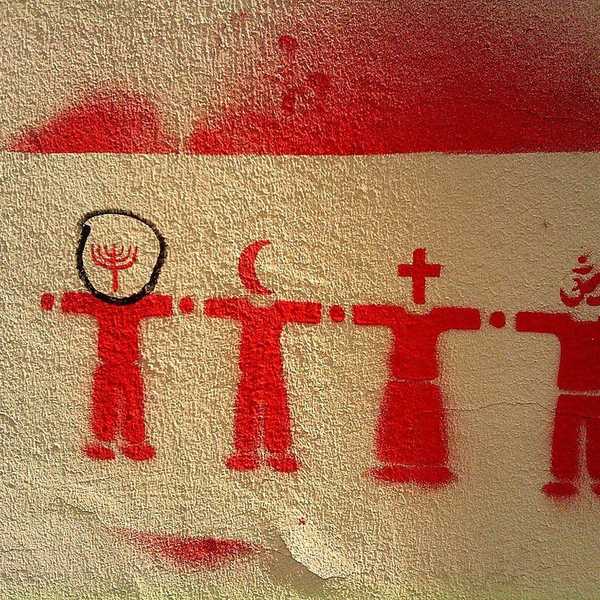
Atheists are often considered the last to be interested in religion. And while that stereotype may ring true for many, it cannot stand as an excuse for ignorance. People believe in things, often the same things, and that can place restrictions on behavior, diet, and dress, among other things. For us who are without a faith, the most important role we must play is the neutral party. After all, as our main identifier openly states, “I haven’t a goddamn clue what’s going on (and part of me doesn’t really need to know).”
Faith will never leave this world. Religion may change and evolve but it will never truly disappear. We all cling to systems that keep us out of despair and give us a sense of spiritual or non-spiritual habit beyond our day-to-day lives. Even as someone who grew up within a religious community that often fell under criticism for its beliefs and practices, I am only beginning to understand the impact faith-on-faith violence has on faith communities on a global scale.
Interfaith is important and relevant: To the religious, because everyone is deserving of community and a greater understanding of the universe, and to atheists, because we are a system of undetermined and individual beliefs under a common identifier. And, so long as other systems of belief are not protected, we cannot live in full confidence that ours will ever be acknowledged.