
The future is a subject that all of us have on our minds at one point or another, whether it’s thinking about things that will happen in the next five minutes, five days, five months, or five years. While the science fiction genre is a little more far-reaching, it deals with potential futures and the kinds of issues that we’ll encounter there.
These five books are some staples of the genre, and come from all sorts of time periods.These books not only make you think critically about the ways that society develops, but also about how technology may (or may not) aid in the creation of a better society.
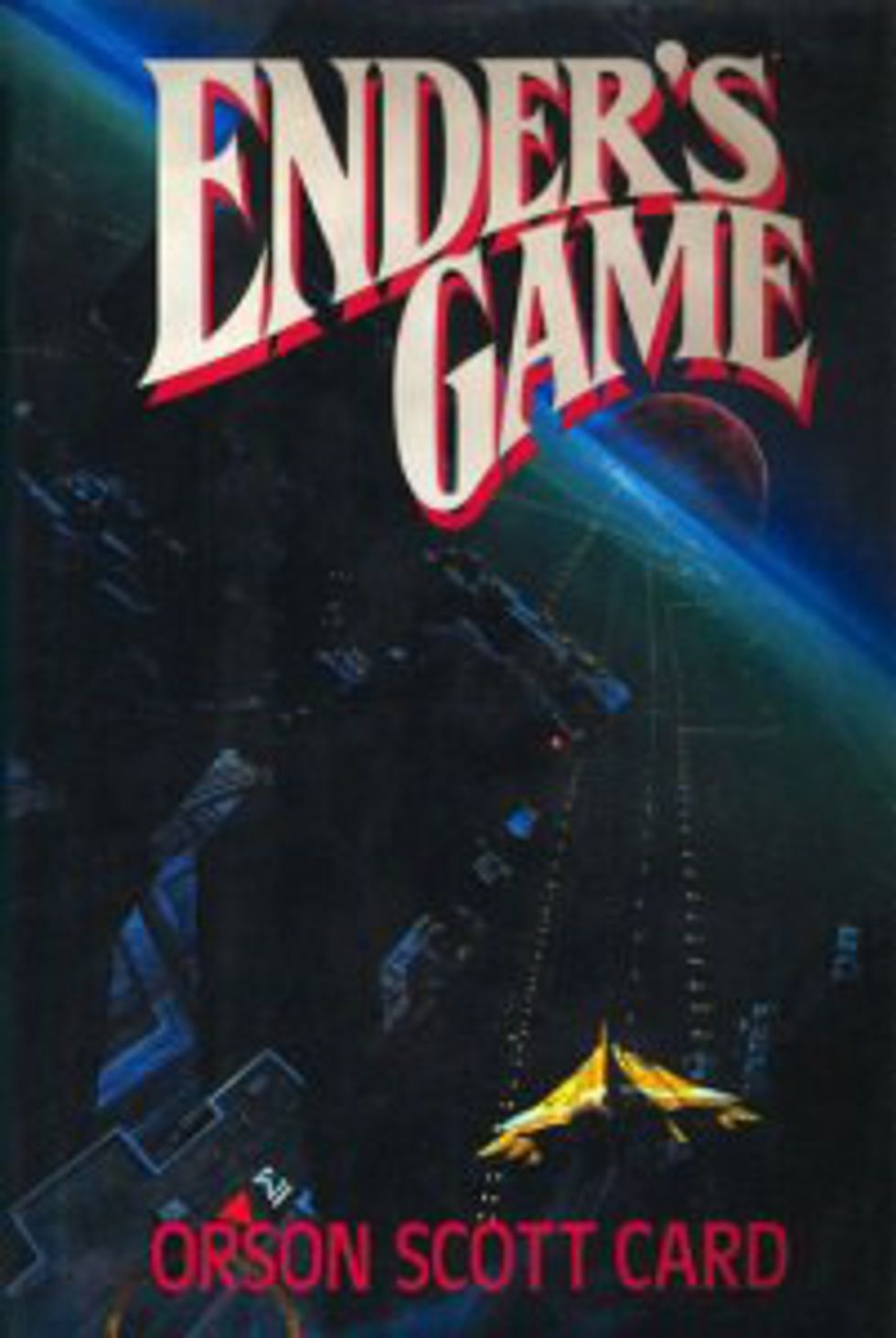
1. "Ender’s Game"
Written in 1977 by Orson Scott Card, “Ender’s Game” follows the story of a young boy known by peers as Ender, but really named Andrew Wiggin. He is a third child in a world where parents have to request special permission for more than two children. His earth is one that has known the attack of an alien species.They have known the toll of war, and they know that the aliens are a threat that needs to be dealt with. Even though Ender is only a kid, he and many other children train for the chance to help defeat the aliens that are poised for a final assault on earth.
This story is one that has lasted for so long because the twists and turns of it are just so fascinating. It is truly a classic of the science fiction genre. While it was made into a movie recently, the book paints a much larger image of how Ender, and his siblings, fit into the world of adults.
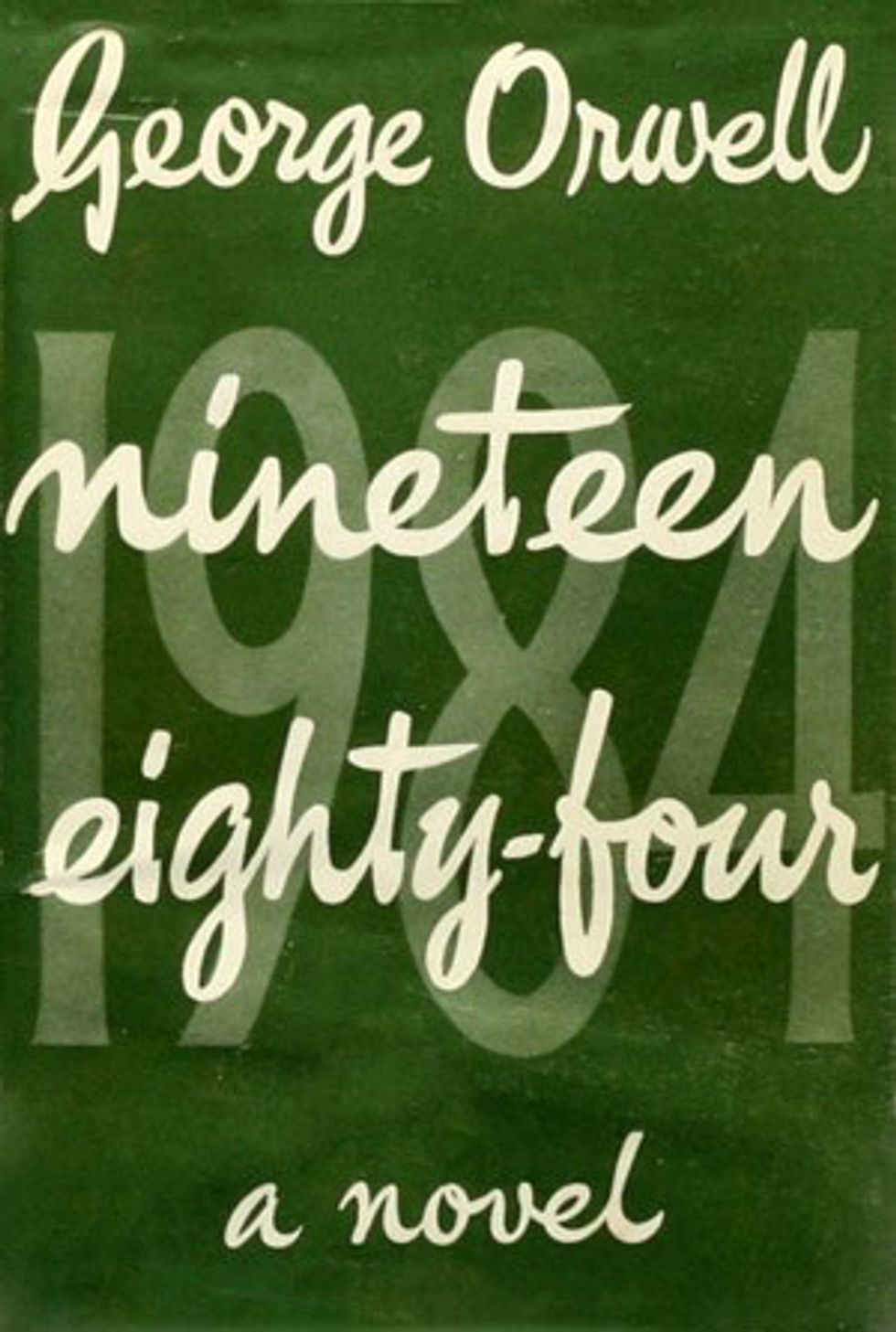
2. "Nineteen Eighty-Four"
George Orwell’s classic story was written in 1949 and predicted a world that was to come. With Big Brother watching almost every inch of the world and information being altered and changed all the time, “Nineteen Eighty-Four” paints a picture of a future that didn’t come in 1984, but some would argue is upon us right now.
By looking at our present through Orwell’s vision of a “negative utopia,” we may find ways in which we are becoming a part of a collective. From there we can decide whether or not the present we live is an improvement on the future that Orwell imagined, or if it hasn’t reached quite that level yet.
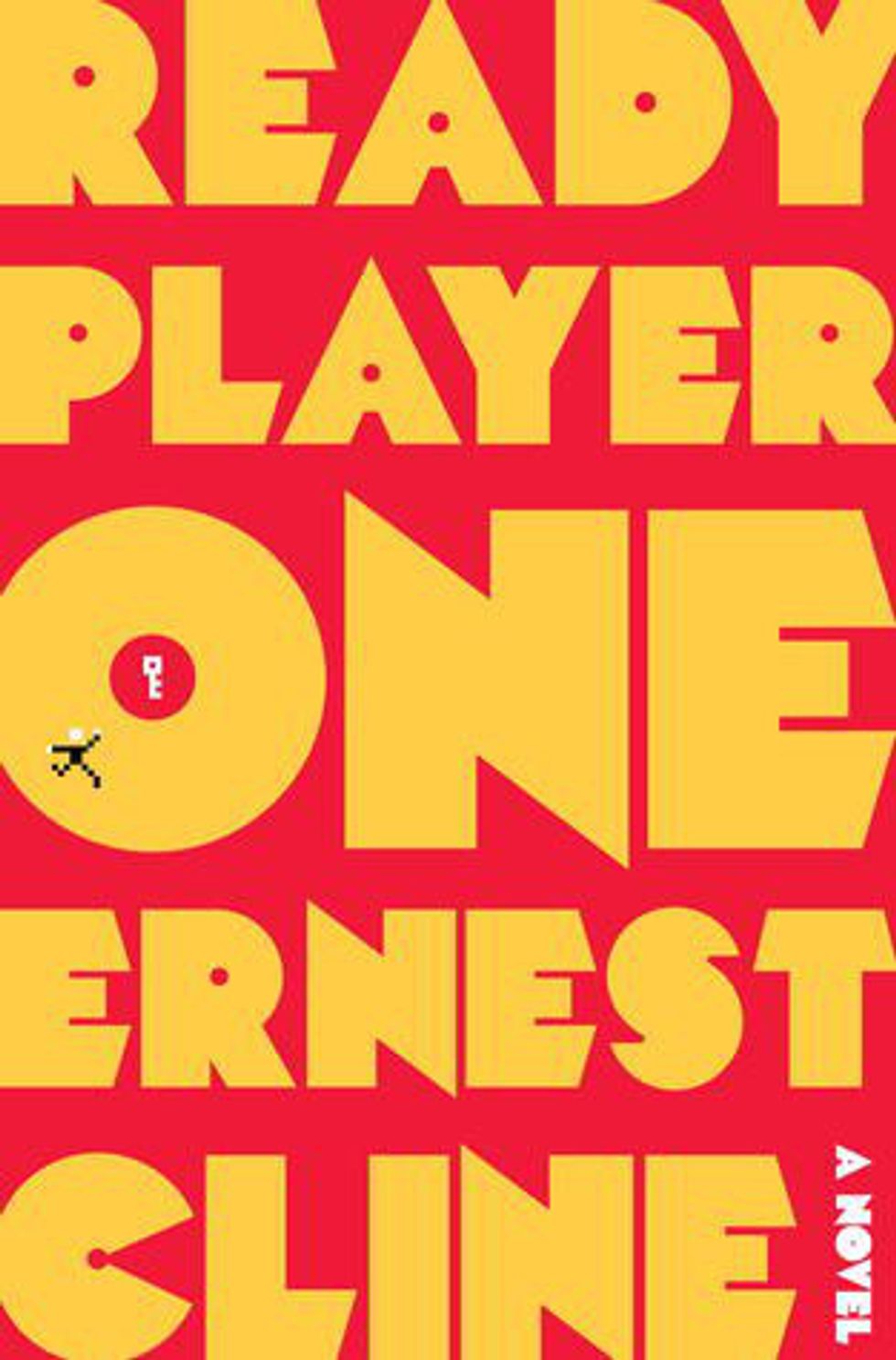
3. "Ready Player One"
Ernest Cline writes about a future that isn't quite so far away in 2044, in which many people across the world live more in the OASIS than real life. OASIS was a virtual reality built by James Halliday. Halliday leaves a contest for the inhabitants of the OASIS, leaving everything to the first person that can successfully complete the quest that he sends them on. Wade Watts, living more in the game than in reality, has turned his life into studying all the things that Halilday enjoyed, and once the contest comes about, makes his life revolve around trying to find his way to the first clue.
Watts's adventures through the OASIS revolve around learning everything there is to know about Halliday. The way that Watts' idolizes Halliday is a definite reflection of the way that we idolize celebrities in this day and age, and the way that we might fully immerse ourselves in the lives of those that we idolize.
4. "The Hitchhiker’s Guide to the Galaxy"
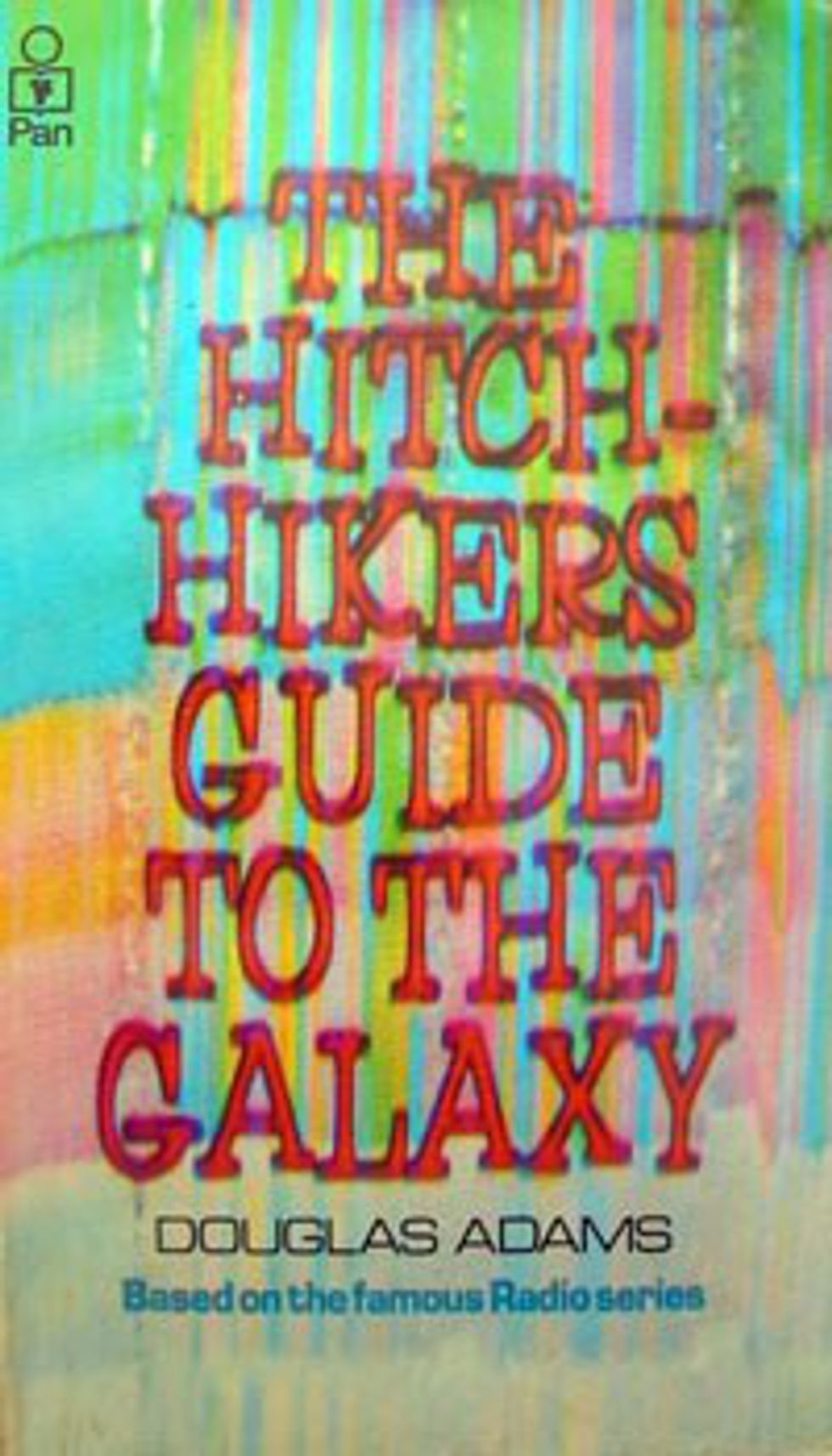
Written in 1979, this book doesn't take place in the future, although the types of technology that Arthur Dent encounters while he is whisked away by his friend Ford Prefect are beyond anything that the civilizations on earth have managed to come up with. Dent learns to expect the unexpected as he travels the universe with his friend.
"The Hitchhiker's Guide to the Galaxy" is the first in a series by Douglas Adams that twists through time and changes the ideas of how our world came to be the way it is, and how the earth fits into the plans of the universe.
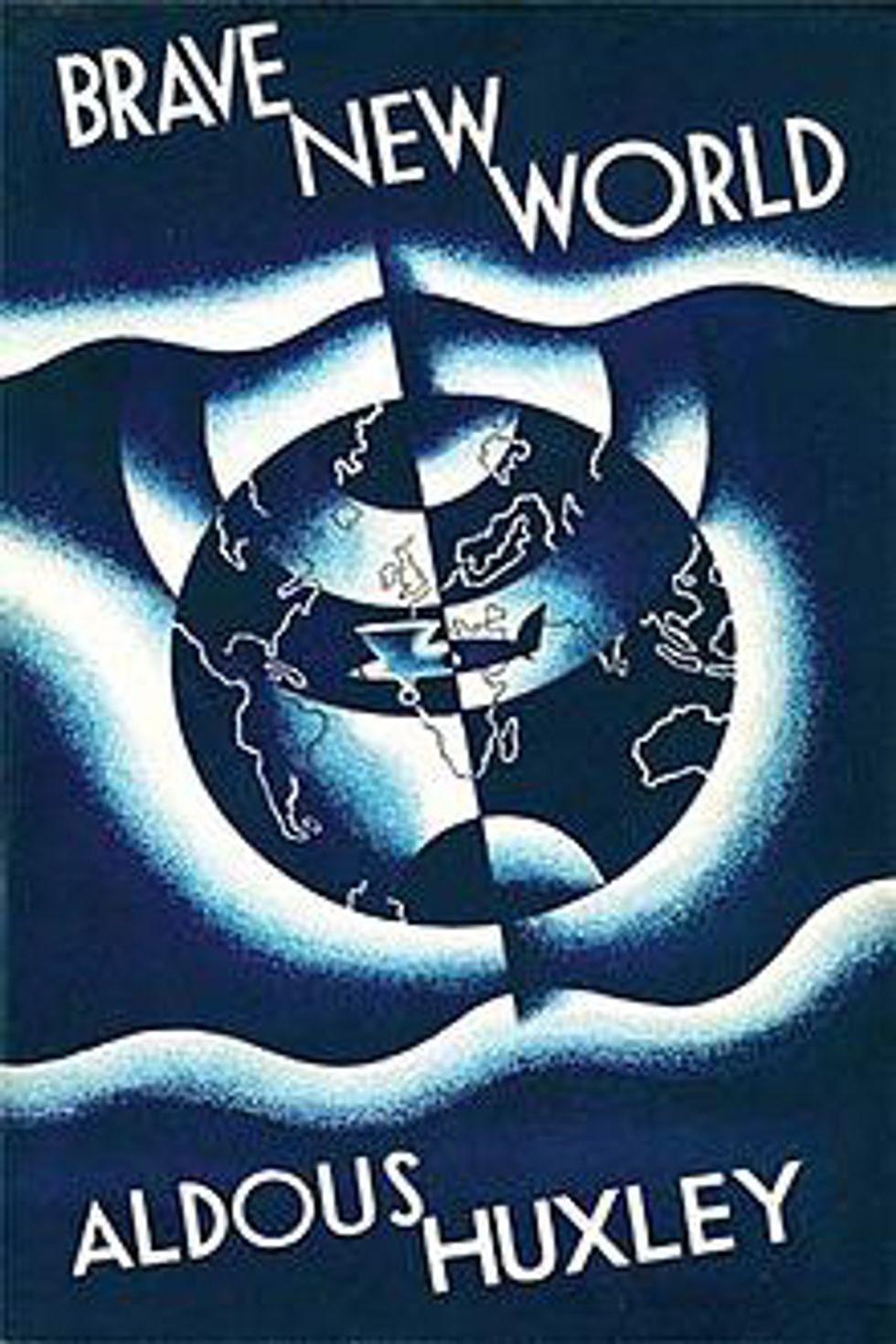
5. "Brave New World"
The oldest of the books on the list "Brave New World" was written in 1932. While it seems like an odd book to include in a list of science fiction books, Aldous Huxley looks at the ways in which technology can profoundly change a society. The story begins with a look at the technology that is used to take reproduction and turn into a process that can be controlled.
While "Brave New World" might not feel as much of a science fiction novel, it does feel similar to "Nineteen Eighty-Four" in many ways; "Brave New World" and all of the issues that it tackles can be looked through the lens of our more recent problems.