


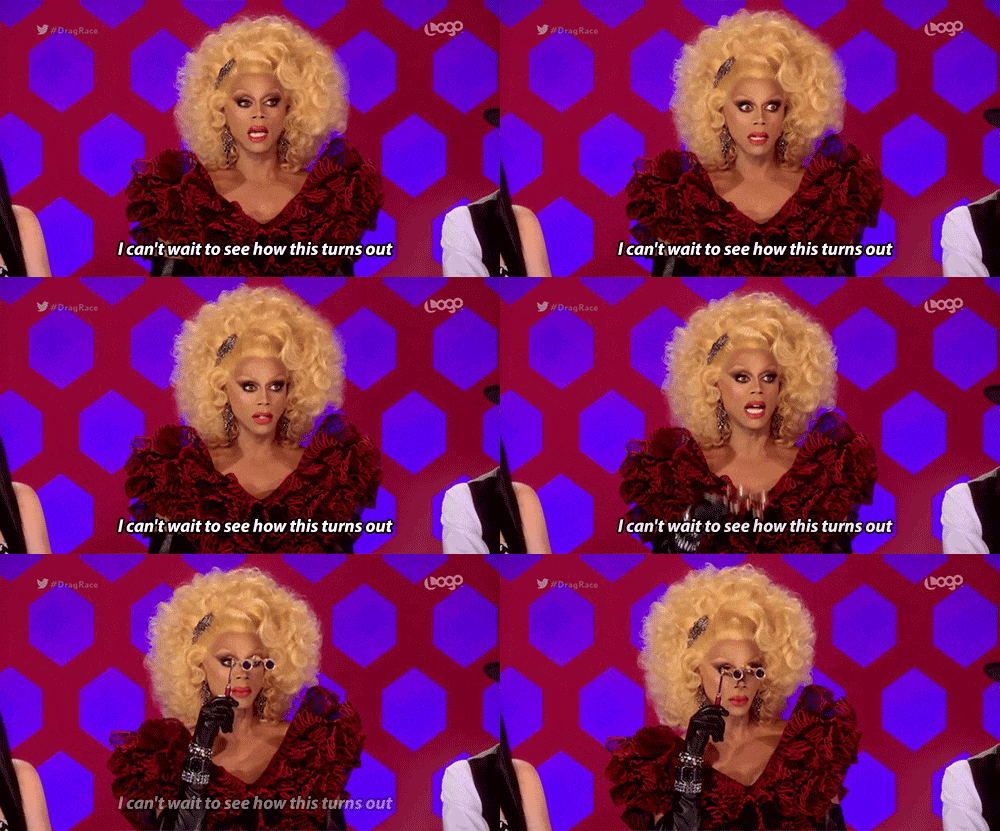
A few weeks ago, my roommate, Thea, introduced me to the television show "RuPaul's Drag Race." I always used to low-key judge the show because I thought it looked overly campy and ridiculous. However, after watching just one episode, I knew I was totally wrong for assuming the worst.
For those of you who haven't seen it, "RuPaul's Drag Race" is a reality show starring drag legend RuPaul Charles. (Google her at your own risk because she is seriously flawless.) On each season, 12 to 14 drag queens compete for the title of America's next drag superstar. The queens compete in different challenges to show their versatility and prove they have what it takes to represent RuPaul and drag. In each episode, the queens take the runway and two are selected as the bottom two. These bottom two queens then lip-sync for their lives, meaning they lip-sync to a song they were required to memorize and one is sent packing.
If you're anything like I was, you may have rolled your eyes a few times just reading the description. It sounds bizarre, right? Well, it totally is. And that's part of what makes it so great. I've learned a lot from the show -- things I never would have expected to learn by watching men dress like women.
Gentlemen, start your engines, and may the best (lesson?) WIN!
1. Drag queen lingo beats all other lingo.
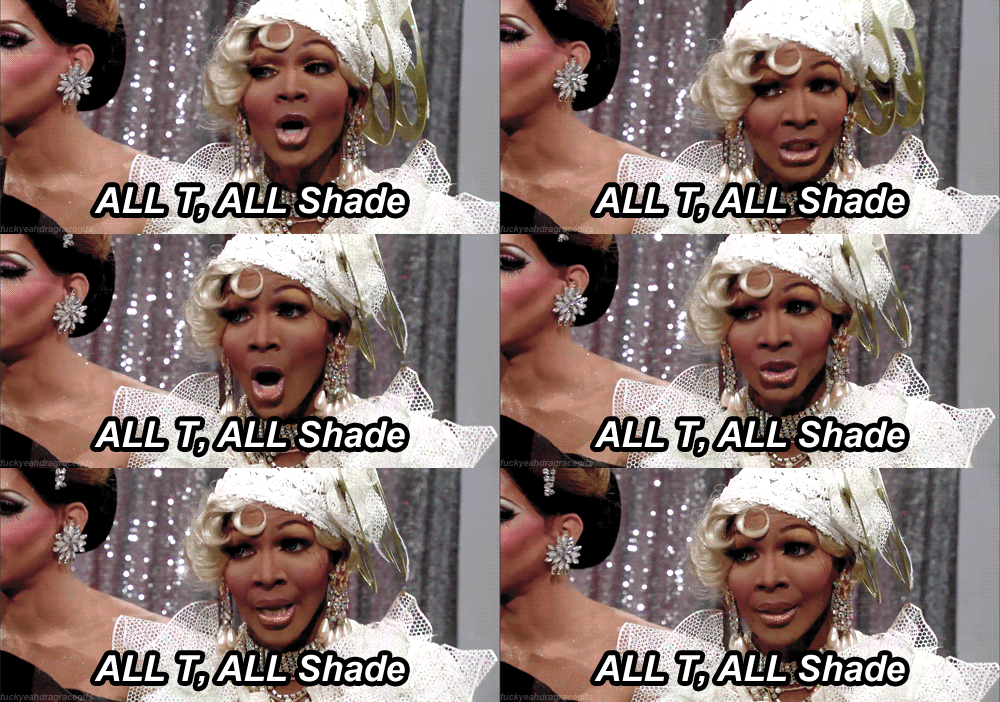
Words like "reading," "shade," and "fish" mean different things in drag culture than one might recognize. For example, to "read" a fellow queen is to insult them without breaking a sweat. "Fish" refers to drag that is very feminine. If a queen is serving fish realness, she is looking particularly feminine. Phrases like "No T, no shade" and "All T, all shade" are also commonly used on the show. This BuzzFeed article does a great job of explaining drag speak in a way that's easy to understand.
2. There are MANY different types of drag.

Before "Drag Race," I had always assumed all drag queens were the same: that they all wore heavy makeup, feminine gowns, and made their voices higher. Boy, was I off the mark. There are many different types of drag, and "Drag Race" has done a great job of showing their audience a variety of different types. For example, a fish drag queen, as I explained earlier, refers to a queen who takes pride in femininity. A pageant drag queen is like any other pageant girl: they compete in competitions and are very polished. A camp drag queen refers to hokey, clown-like queens who are usually f*cking hilarious. I could go on, but "Drag Race" really opened my eyes to something I would have never known otherwise!
3. It's important to learn to take criticism.

Seriously. It might hurt to hear negative criticism, but it can take you to a place you never knew you could get. On "Drag Race," the queens are critiqued by the judges, including Ru herself. Sometimes they're brutal with the queen: for example, ex-judge Santino Rice told Season 5 contestant Alyssa Edwards that her dress was the ugliest thing he has ever seen on the show. Ouch. But with that criticism, Alyssa learned a valuable lesson about what is cute, and what just doesn't work. By taking criticism in a way that can help you, there's a better chance at succeeding. And the queens who didn't listen to the critiques they got? You better believe they'll be lip-syncing for their lives sooner rather than later.
4. Always be fierce.
5. If you can't love yourself, how in the hell you gonna love somebody else?



















