
An estimated 48.9 million people in the United States, have a disability that they deal with everyday. You may have used certain words to describe a person that frustrates you, maybe you have visited a nice restaurant that easily accommodates you or sometimes you assume that a disability is always visible. Not realizing that the person that may walk by you, may or may not have a disability.
Google Dictionary states that, "ableism is discrimination in favor able bodied people." The reality is, ableism is not only experienced on a daily basis, but can be recognized as a normal part of everyday life. Instead of being referred as a difference, it is assumed to be more of an imperfection with human beings. The sad part is, society doesn't realize half the time that they are participating in ableist acts, simply because they do not mean any harm.
Considering it is very normal and part of everyday life, here are five acts of ableism that need to be fixed immediately in order to make everybody inclusive with society.
1. Able-Bodied People Showing Their Privilege
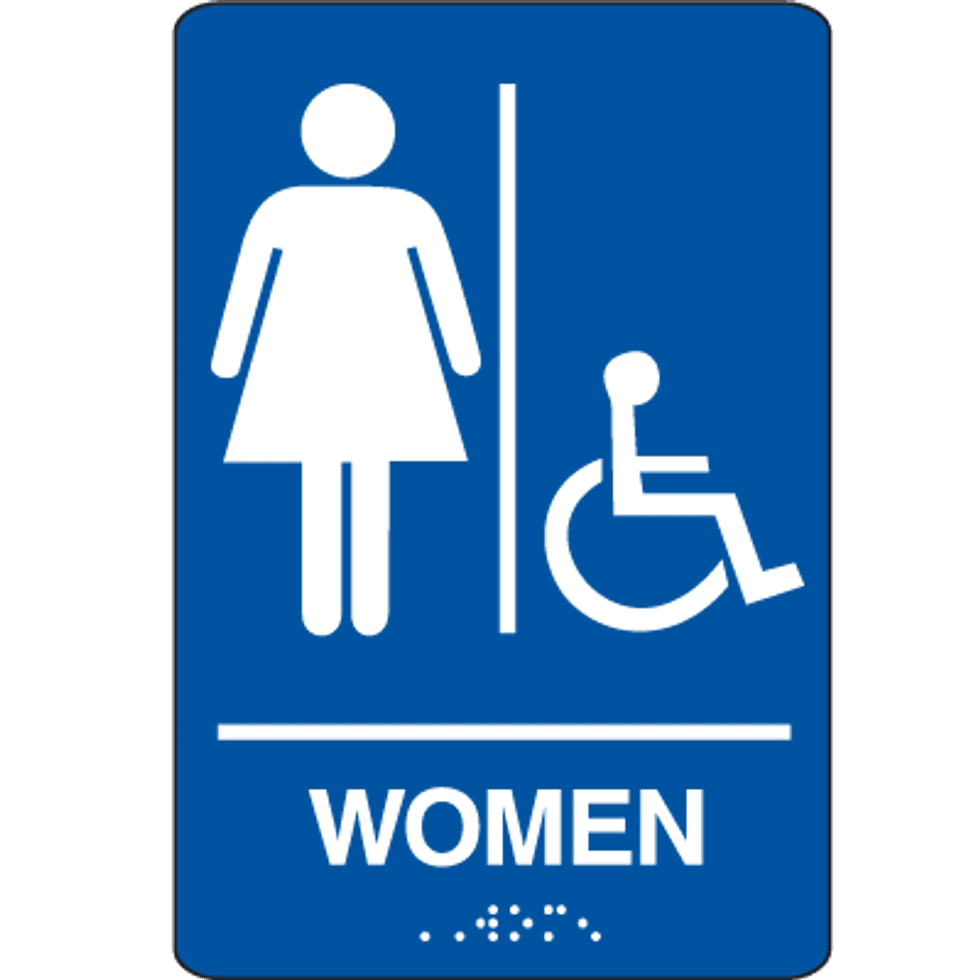
Sometimes, we may not realize that we are taking advantage of our privilege, but we do on a daily basis. It may not seem like a big deal, but able-bodied people don't understand that they have a certain privilege when it comes to sharing different spaces with the disabled. I'm sure you have gone to a restaurant at some point in your life and have used the handicapped bathroom stall, or maybe you have walked up a ramp at a facility because it was easier than taking the stairs.
Able-bodied people don't think twice about using the stairs or waiting for a able-bodied bathroom stall, not realizing that at any moment, somebody with a disability could be waiting to use these resources at any point. Meanwhile, you're using these resources when you don't really have the need.
2. Limited Accommodations
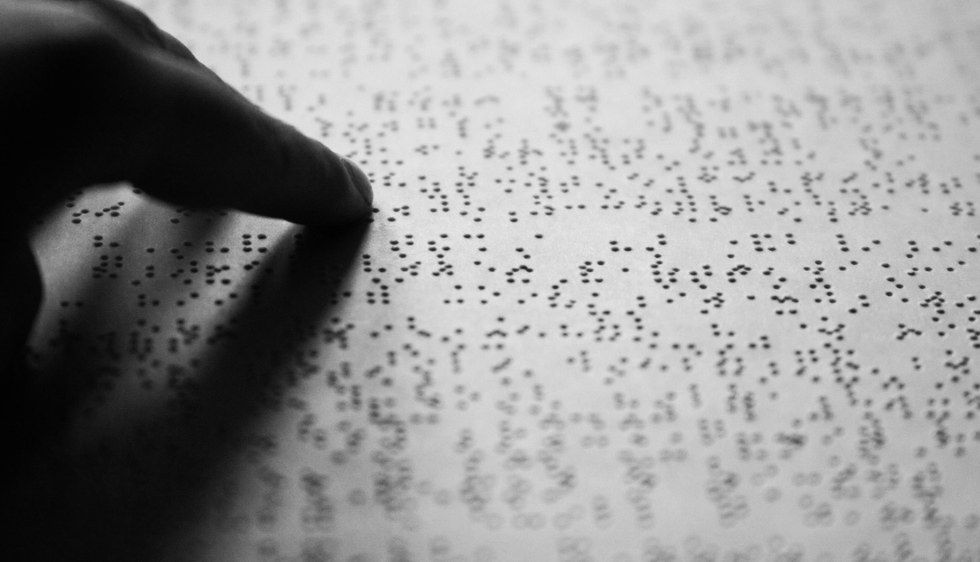
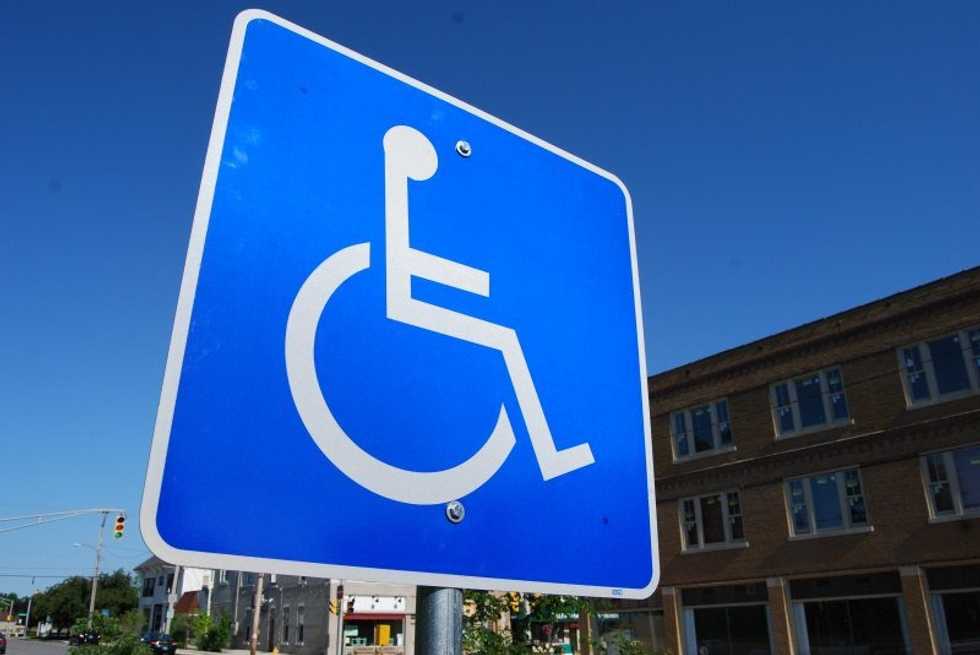
Many places you visit may have handicapped stickers, signs and walkways for the disabled. This is great to have and accommodate the disabled with walking limitations, but what about the people who suffer from other disabilities? Stop and take a second to realize that not many places offer brail menus or waitresses aren't trained in sign language. This makes it very difficult for people who experience other disabilities to enjoy their time out in society.
Even though there are laws set in stone to help accommodate the disabled, not many people take it seriously or they assume that handicapped people make up the entire disabled population. Making it very difficult for the disabled community as a whole to access around.
3. Assuming Disabilities Are Visible
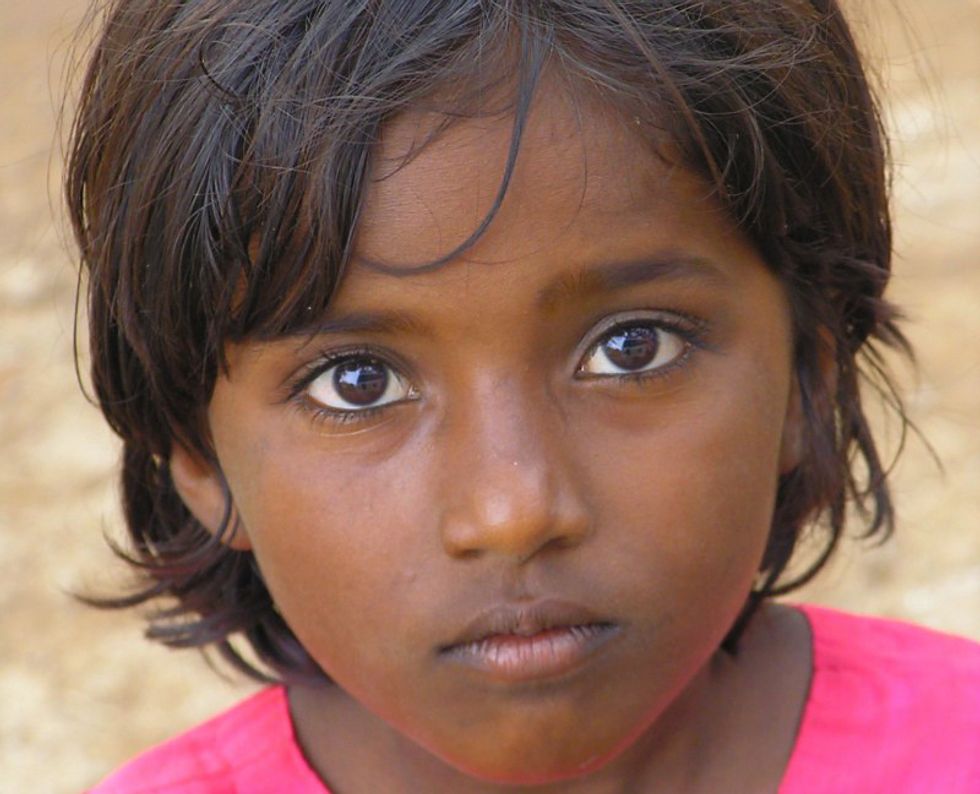
I'm sure you've heard stories surface the news where a person left a note on somebody's car, lecturing them about using a handicapped parking permit, when they appear to not be disabled. Automatically, society assumes that when somebody parks in a handicapped spot, they are supposed to walk out with a wheelchair or a cane. The truth is though, disabilities come in all shapes and sizes. Sometimes we can't even tell that somebody has a disability.
That disabled you're judging, might have a mental illness that causes them specific limitations. Or that person may have a problem with walking occasionally, but you may have caught them on a better day. That person you just criticized for taking a while at a store to bag your items, may have certain developmental delays, but appear to be fine. You never know who has a limitation and its important not to judge a book by its cover.
4. Using Words Or Objects That Discriminate
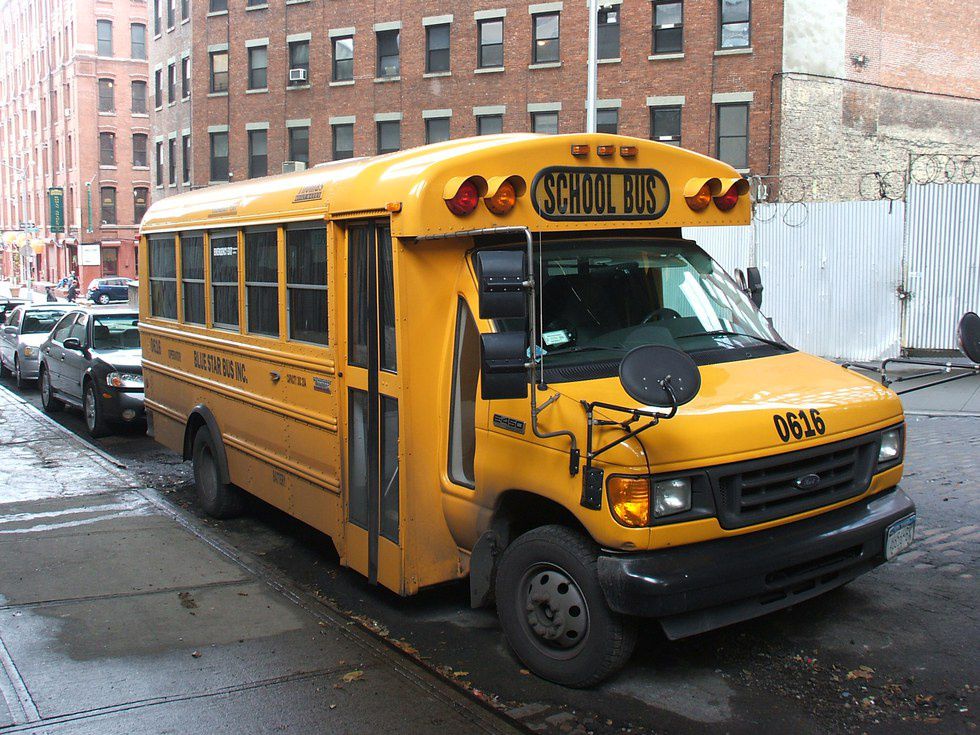
Ever get upset with your friend or family member for doing something silly and you just happen to use the R-word? Or maybe you don't think somebody's behavior is very flattering and you assume they are crazy? Maybe you automatically point out the shorter bus for students and assume they aren't the cool kids? All of this is a form of ableism.
Normally after many people use these words or objects to describe negative situations, you may get a person or two that calls them out for using it. Almost immediately, you receive an explanation that justifies the use of the meanings. This is not okay. As a human being, we shouldn't justify any explanation that may describe a limitation.
5. Fear Of Including
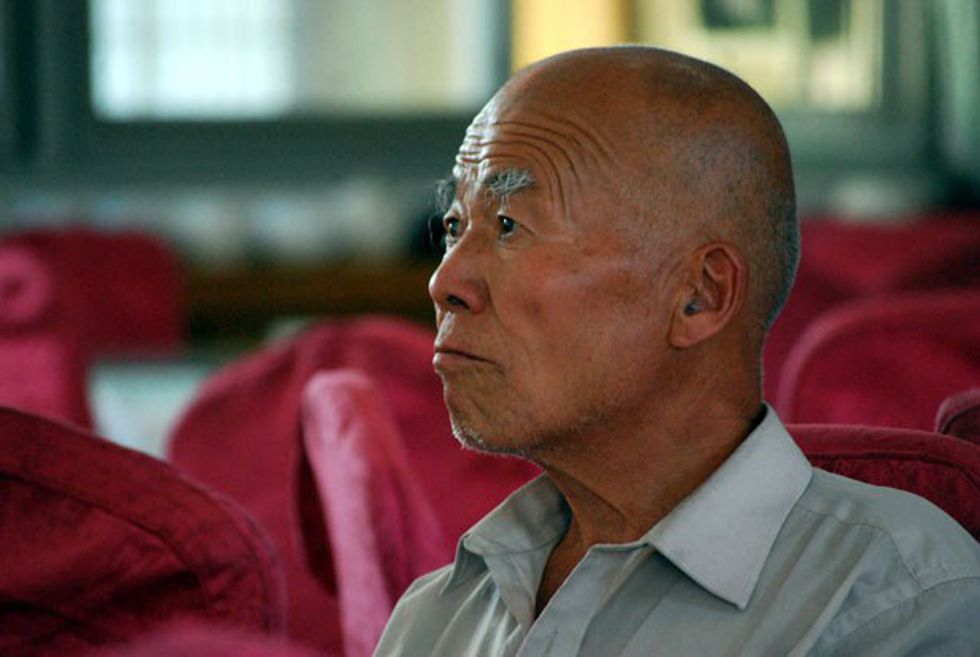
This is a big one. Society doesn't realize that they do this on a daily basis, but it happens often. We fail to include disabled individuals in our daily lives. Most of the time, we are afraid to talk to disabled individuals too. Children in school for example normally don't approach disabled individuals and have a conversation, try to get to know them or even invite them to their birthday parties. Adults don't go out of their way to try and befriend a disabled individual at work, they immediately approach the co worker who can easily live life without any hurdles.
Every disabled individual whether you can see their disability or not, deserves to be included on a daily basis and not feel like an outcast. It's important that we understand that disabled individuals are people, too! They deserve the same experiences, rights and fairness as everybody else. We shouldn't limit others, when they already have to deal with limitations.