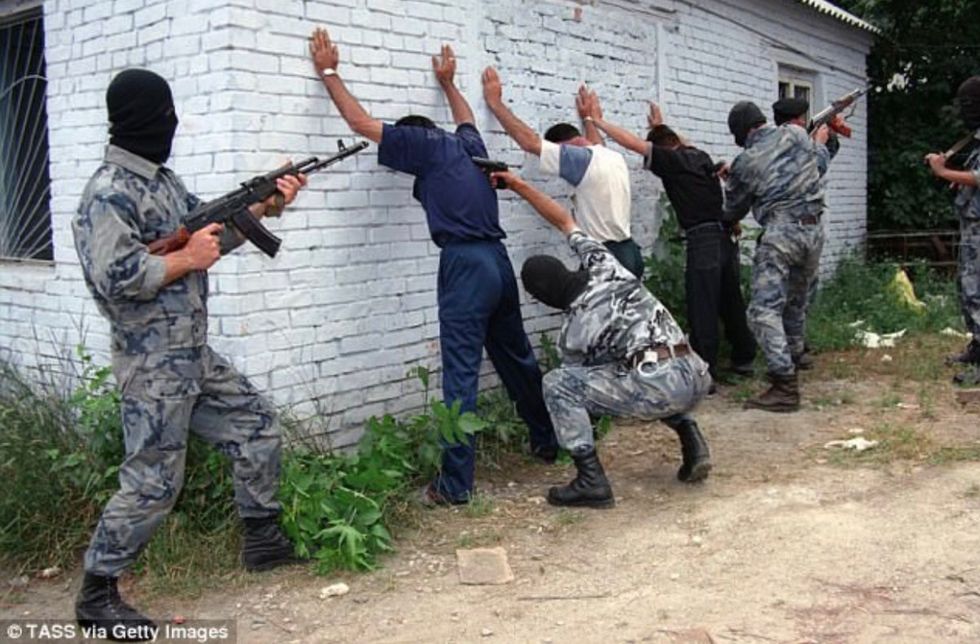
Conservative and strict to say the least, the atmosphere in Chechnya has been overtly hostile to members of the LGBTQ community where the government and society actively persecute and ostracize them. Often their family members may perform "honor killings" or disown openly gay family members. The government has even conducted arrests by posing as potential dates on social media for gay men, prompting others to delete their social media accounts. However, some people were able to evade incarceration by making payments to the police.
The effects of such blatant discrimination are undeniable: Chechnya has robbed the LGBTQ community of their voices and security. Even should someone step further to file a complaint, the local authorities would, rather than bringing justice, act out against the individual who filed the claim which has culminated to the point where reaching out to journalists and activists is equally dangerous.
In April of this year, acting leader Ramzan Kadyrov ordered the detention of 100 gay men in Chechnya's gay concentration camp, a first since that of Hitler in World War II. Reports describe prisoners, who were gathered in rooms of 30 to 40 other victims, being tortured, beaten repeatedly and shocked by electrical wires.
Despite the growing pressures and concerns of activist groups such as Amnesty International and the Russian LGBTQ Network, Kadyro's and spokespersons have denied not only the existence of these camps but also the existence of gay people in Chechnya. In an interview, spokesperson Karminov declared that, 'you cannot arrest or repress people who just don't exist in the republic." Similar attitudes were later expressed by another spokesperson who refuted the allegations against the Chechen government while stating that "any person who respects our traditions and culture will hunt down this kind of person without any help from authorities and do everything to make sure that this kind of person does not exist in our society.”
While the Russian LGBTQ Network has successfully evacuated 42 prisoners, following steps to aid the victims becomes even more complicated as returning to their previous homes places them back at risk where they are targets of hate crimes. Kadyrov has yet to recognize the atrocities committed, but he is not the only one. His closest ally Vladmir Putin has not stepped forth regarding the concentration camps although he invests heavily into the region, and U.S president Donald Trump has remained silent on the matter.