

Beginning undergrad presents many difficult challenges for students, especially when it comes to managing reading. English courses are often the source of the heavy reading that most students face during this period. Depending on the course, many authors resurface for English majors, even some figures that have minuscule roles in literature. These confrontations between us, the authors, and their works is often a love/hate relationship. There are works that are beloved and there are works that are loathed with infuriating passions. If you are considering taking a literature course or pursuing a degree in English, here are some of the influential authors that you will encounter (at some point) during your undergrad career.
1. Edgar Allan Poe
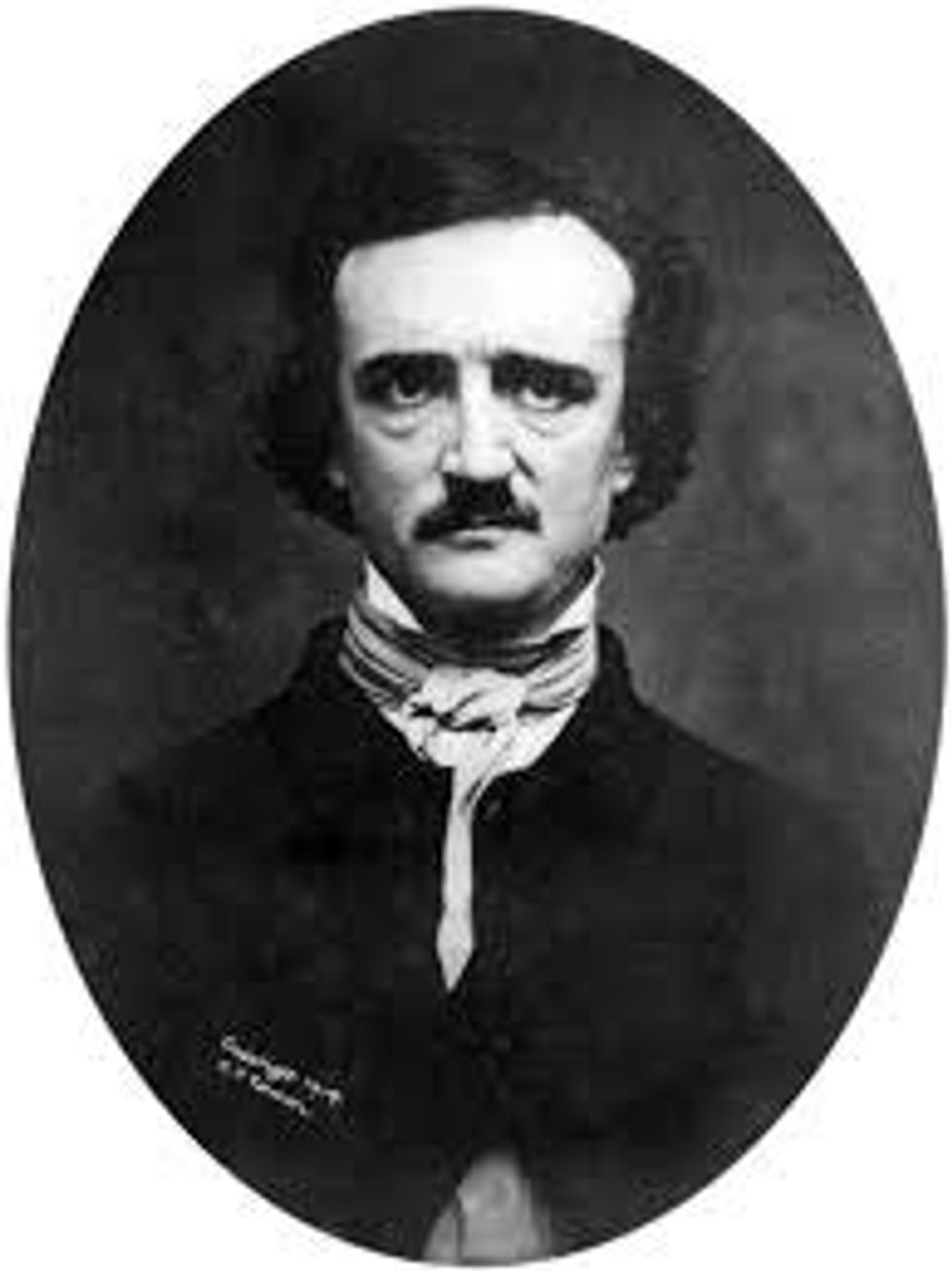
For those of you who have read Poe's work, you know he's a creepy dude when it comes to creating unsettling short stories that will have your skin crawling. Poe is usually taught well before undergrad in most cases, being introduced in most high school English classes. For us college folks, Poe is a disturbing individual that we have the pleasure of analyzing and interpreting, and his mind is dark. While there are the classics that everyone is familiar with, such as "The Tell-Tale Heart," there are also other Poe stories and poems that are great reads, which American Lit classes will incorporate, such as "The Black Cat."
2. William Faulkner
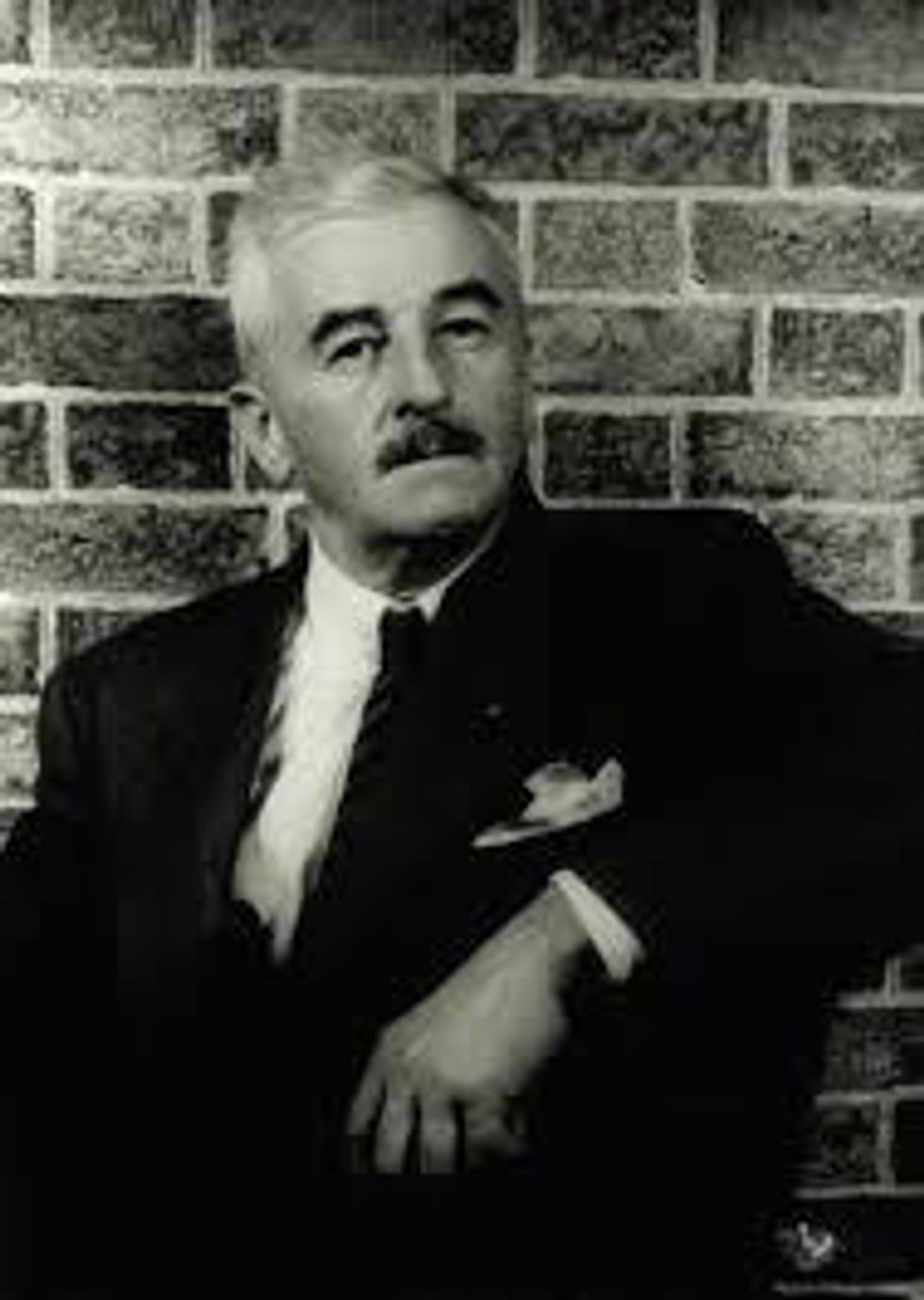
Faulkner is one of the best known American authors who writes about the Southern region of the United States. He has written short stories, as well as novels. The one work that I was required to read in American Lit by Faulkner was "A Rose for Emily." An interesting tale, at that. I won't give away spoilers, but I highly recommend for people to read this story. It will surprise you in the end, if you don't recognize the signs beforehand.
3. Emily Dickinson
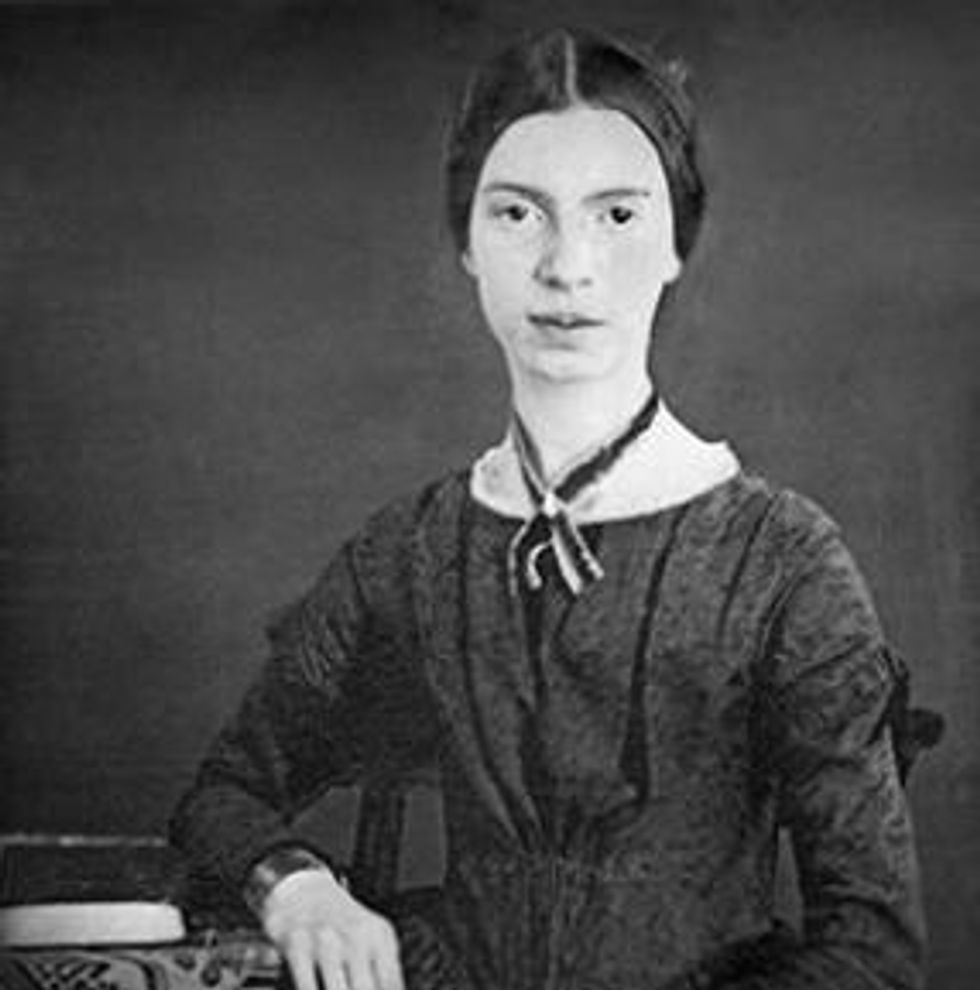
This is one mysterious woman. There are so many underlying meanings in her poetry that it makes you wonder what she's really getting at. At Wingate, Dickinson will come up in many different classes, such as Poetry and American Lit.
4. Nathaniel Hawthorne
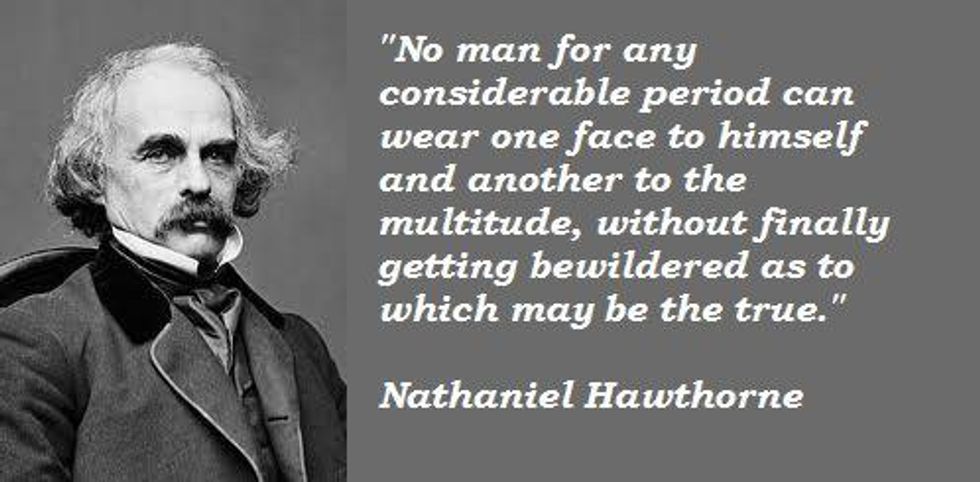
You will either like Hawthorne or you won't. There's no in between when it comes to this man. In high school, English classes will occasionally cover The Scarlet Letter, which is a complex novel for adolescents to be reading. Yeah, the concept is easy to grasp, but there are deeper meanings in the context that high school students may not be mature enough to handle. A professor I had related that he did not fully understand/appreciate this particular novel until he was in graduate school. Reading Hawthorne is not extremely difficult, but if you don't develop a taste for his works, then it will be a challenge to engage with the texts. If you haven't read Hawthorne before, I would recommend reading "Young Goodman Brown" or "The Minister's Black Veil" first. These are easier short stories and their plots are very interesting. My favorite out of the two is "The Minister's Black Veil."
5. William Shakespeare
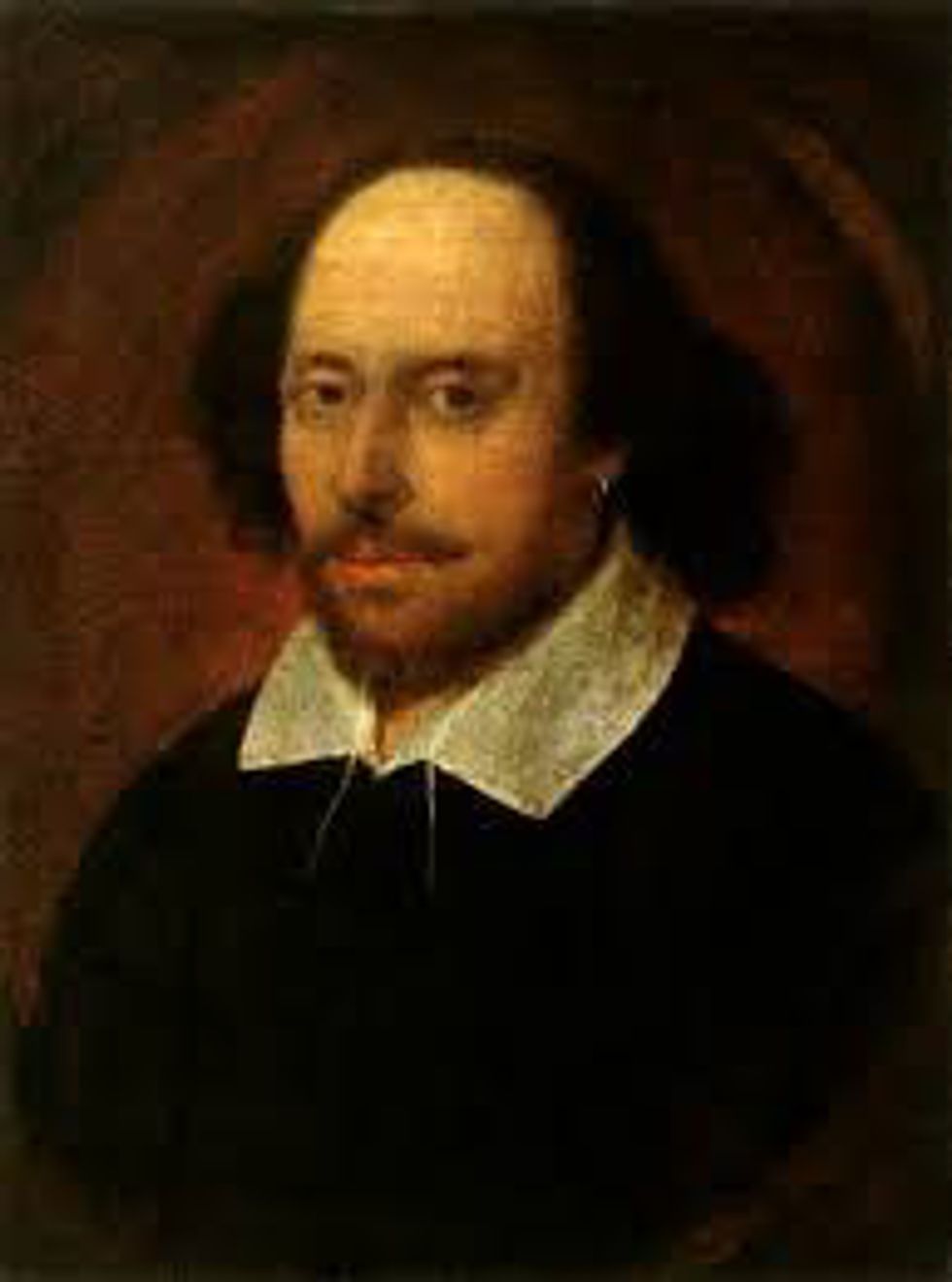
Everyone knows who Shakespeare is, but a lot of his plays and sonnets are not covered until undergrad. There are so many plays that I had not heard of until after taking certain English classes. I suggest reading A Midsummer Night's Dream because it is an upbeat and entertaining work. There are fairies and love plots that intertwine, and Puck is an interesting character. I also recommend Hamlet and Macbeth if you're interested in reading tragedies (but, I'm biased because Macbeth is my favorite Shakespeare work). His sonnets usually present some controversy when covered in classes where the students are of a younger demographic. There could also be instances where professors do not agree with the subject matter and refuse to cover it; although, I have not encountered this from any English professors. In the sonnets, Shakespeare writes about a young man, as well as an overbearing mistress. There is some debate about the sonnets concerning the young man: was Shakespeare bisexual or was he just writing this way to make readers question his motives? There's no way of knowing for certain. As for the mistress, Shakespeare describes her in unflattering terms and presents her sexually, which may be uncomfortable for some to discuss. Overall, Shakespeare is a common name that will appear in college, especially for English majors.
6. Geoffrey Chaucer
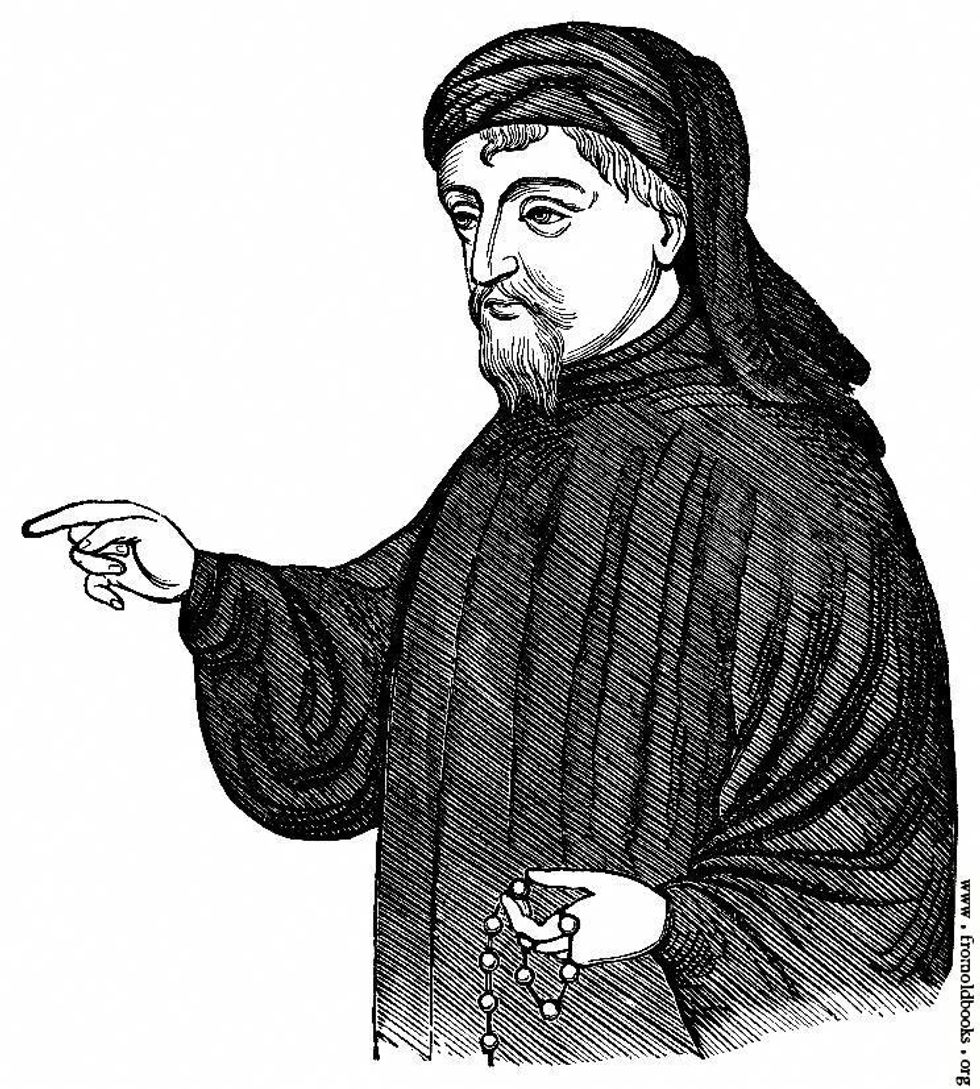
This name should be familiar to many as well because Chaucer's The Canterbury Tales is often covered in high school. Covering Chaucer in college is another beast though. In the Brit Lit class I took, we were required to read this text in Middle English, which can be difficult for many. If you are required to read Chaucer, I recommend reading a translation while reading the Middle English text. It will HELP. I'm an English major, and I struggled through some of the Middle English text when I was required to read Chaucer, but it's a beautiful text. The stories are hilarious because of all the crazy stuff that happens in the text that it just makes you giggle.
7. Edmund Spenser
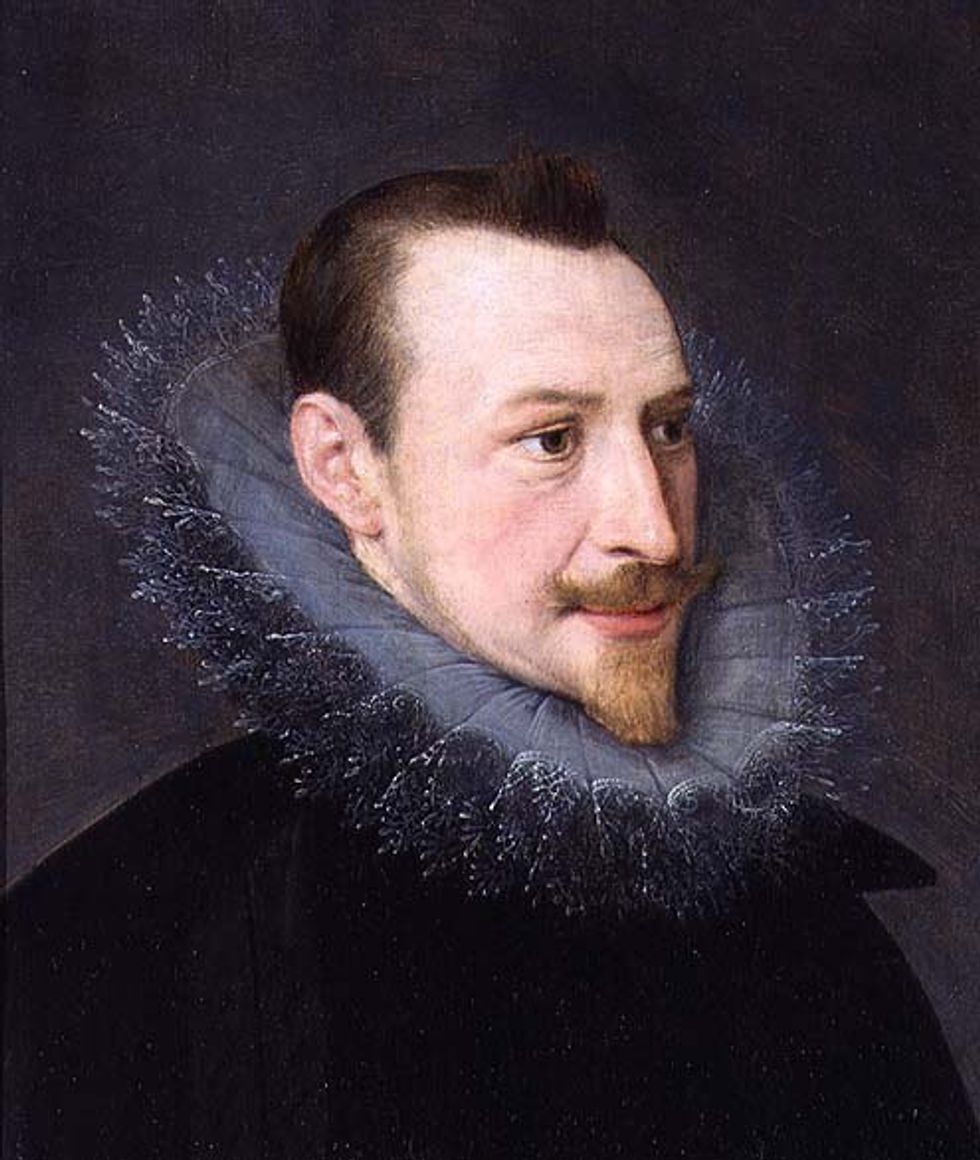
This man...ugh. *Dramatically throws hands in the air* He wrote "The Faerie Queene," which is also a Middle English text. Chaucer was one of his inspirations, and which is evident due to the language of the text. This particular text can also be difficult to read because it is long and written in verse. The story is hard to follow when you're struggling through the language differences, but reading it a second time was easier for me. The events within the story are interesting. Redcross Knight fights many beasts and enemies, and there is so much allegory that you'll be sick of it by the time you've finished the first book, possible the first canto. This will be a requirement for Brit Lit classes though, so get used to hearing about Spenser.
8. John Donne
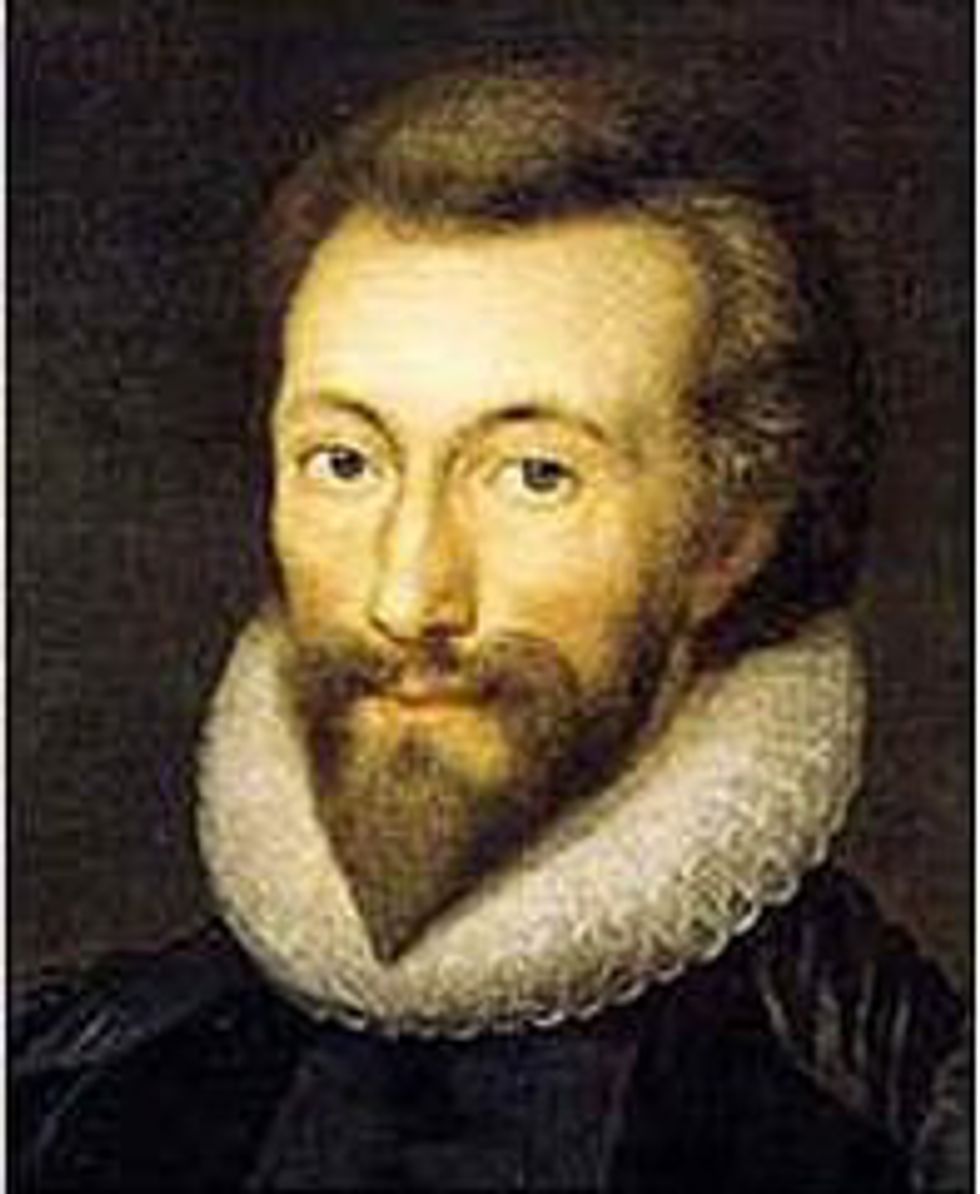
Donne is best known for his Holy Sonnets, especially "Death, Be not Proud", which is the poem that many professors cover in classes. This poem is a favorite for many, as well as easy to remember. I recommend it because it's pretty provocative considering its contents.
9. Sigmund Freud
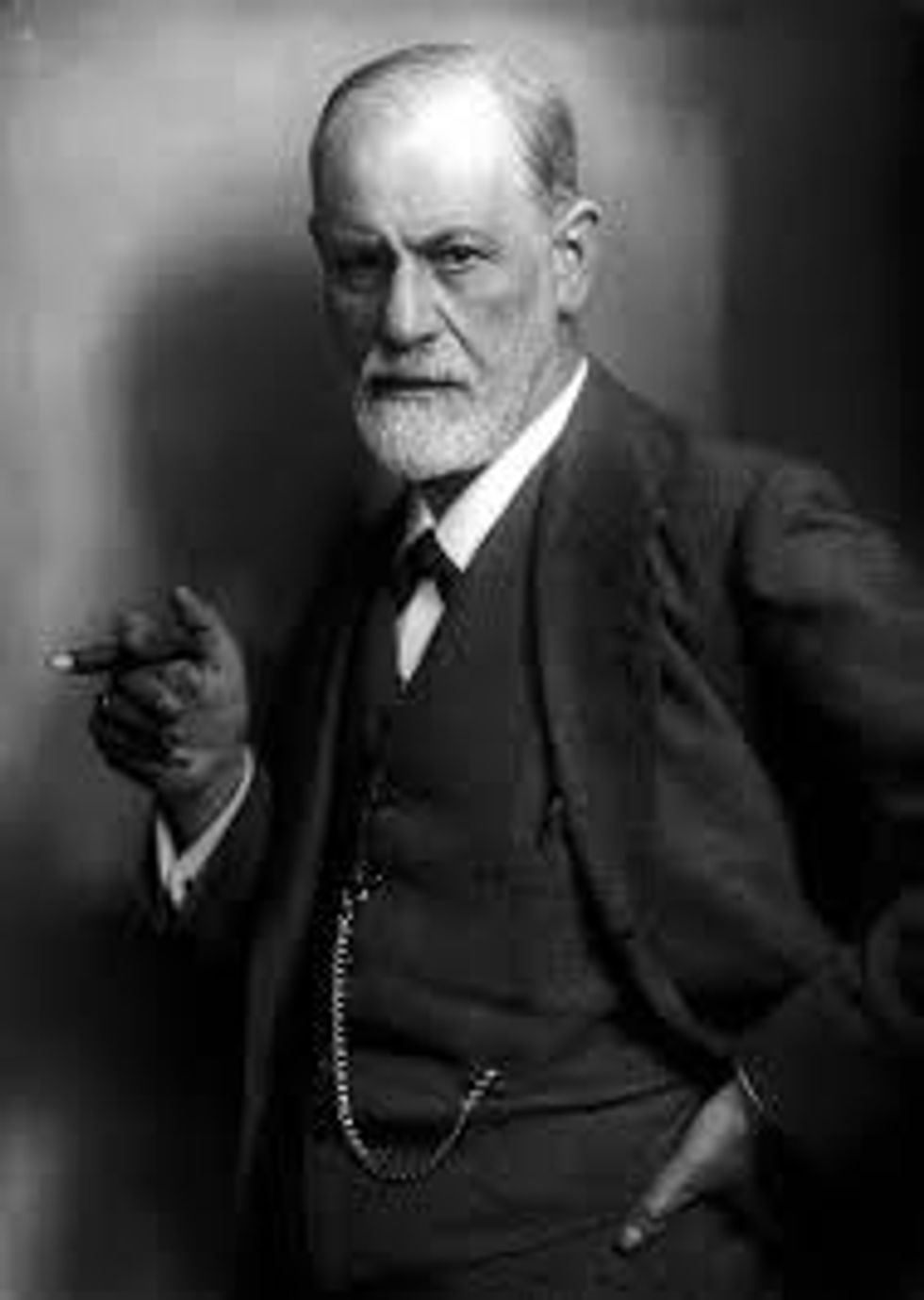
If you have not heard of Freud, get out. There's no way in hell that you have not heard of Freud. You lying. Freud was the man who developed the Oedipus Complex, which basically states that young boys are attracted to their mothers and vice versa for young girls and their fathers. His theory dealt with the development of the ID and sexuality in adolescents, which has been out of practice for many decades. Many other psychologists believed Freud to be wrong in his theory, which is why he is only referred to in passing, but he makes frequent appearances in English courses because sex is a common topic that is present in English courses, and he will NEVER GO AWAY!
10. Virginia Woolf
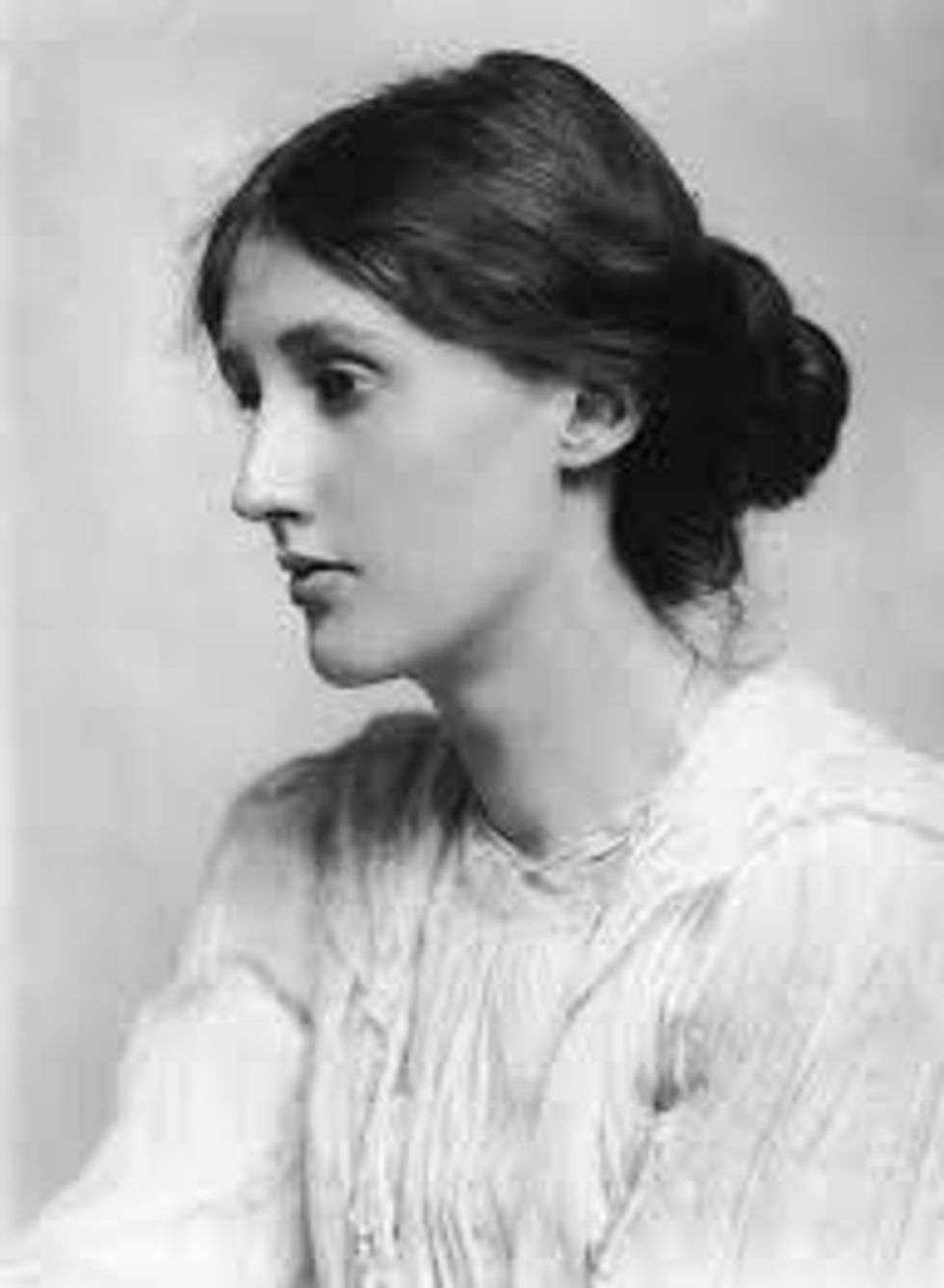
Woolf is most known from her essay, "A Room of One's Own," which discusses why women need to have a space of their own to be creative. Men have their own space, such as a study or office, while women have the kitchen. That's not the creative space that we need, which Woolf addresses. "The Hours" is an excellent film that focuses on Virginia Woolf's writing process and how she was treated after her suicide attempts. I realize that this is not literature, but this film was shown in the Lit Film course that I took a year ago, and it was very intriguing. I recommend it to get a better understanding of Woolf.
11. Henry David Thoreau
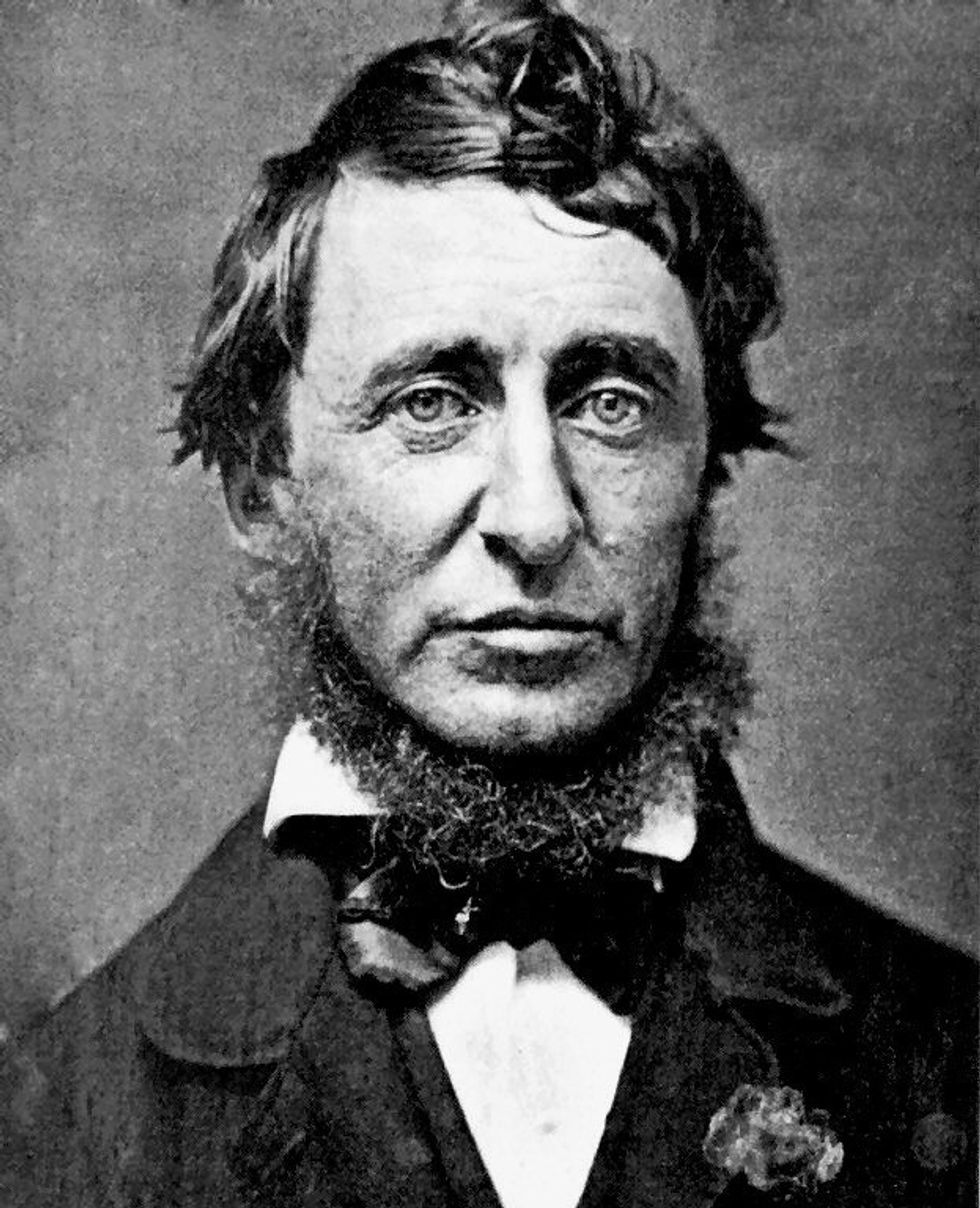
One of Thoreau's biggest concepts concerned living simply, going back to nature to cleanse the soul. He usually shows up in American Lit courses. His works can be difficult to conquer because of the contents, but if you can master Thoreau, you can do anything.
12. Jane Austen
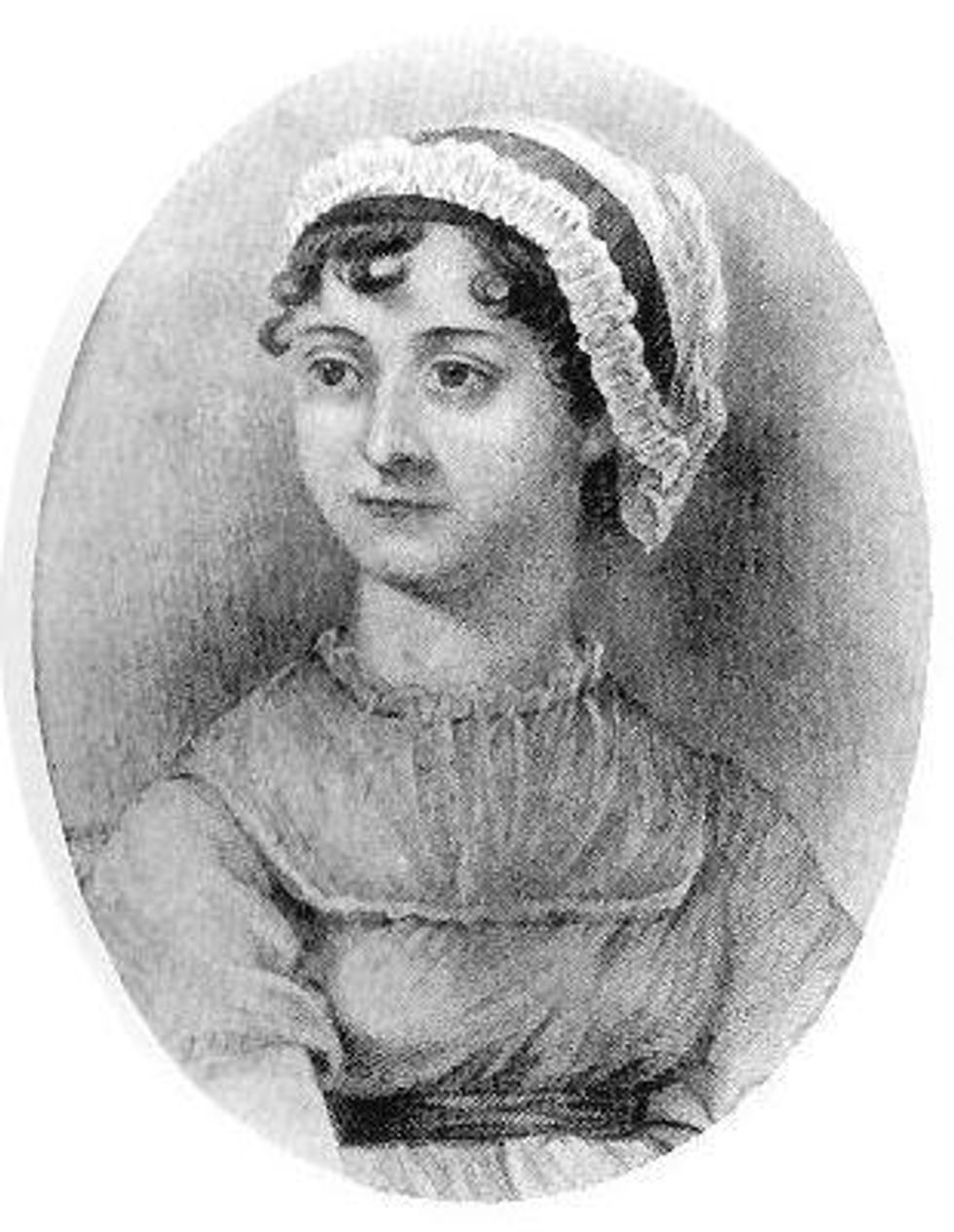
This is also an author that many people are acquainted with, sometimes before entering college. "Pride and Prejudice" is one of Austen's most popular novels. Her novels usually consist of young, English women experiencing the marriage concept. There's usually some development of love between opposing characters, who will end up together after plot complications occur. Austen is still very popular today. I have read Austen, but she is not one of my favorites.
13. The Gawain Poet
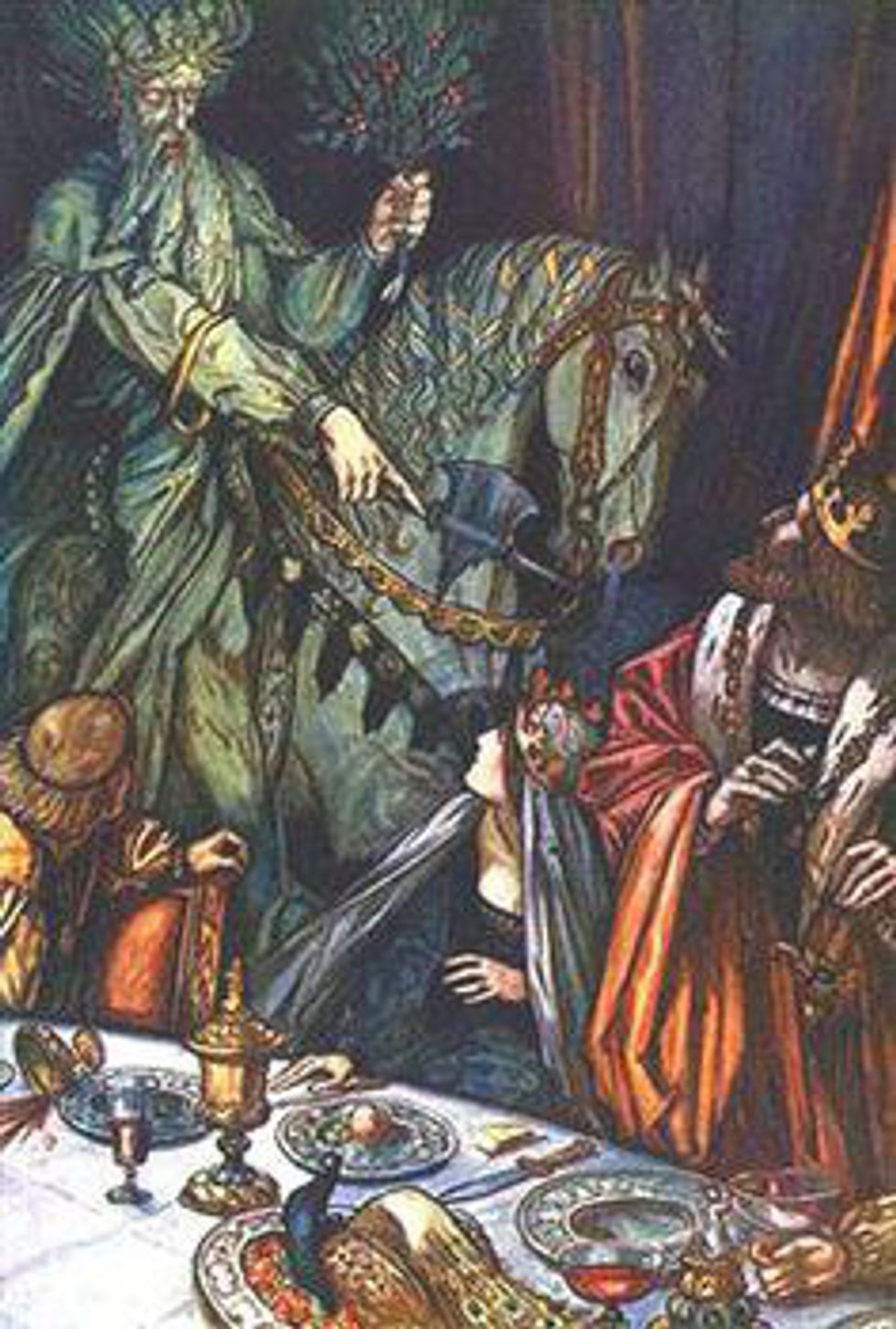
"Gawain and the Green Knight" is an excellent tale concerning one of King Arthur's knights, who journeys to defeat the Green Knight. This work is for anyone who enjoys the tales of King Arthur. It was also easier to get through compared to Chaucer. Gawain may not show up as much in multiple courses, but if you take any form of British Lit, such as Renaissance Lit, Gawain will come up, at least in reference.
14. Petrarch
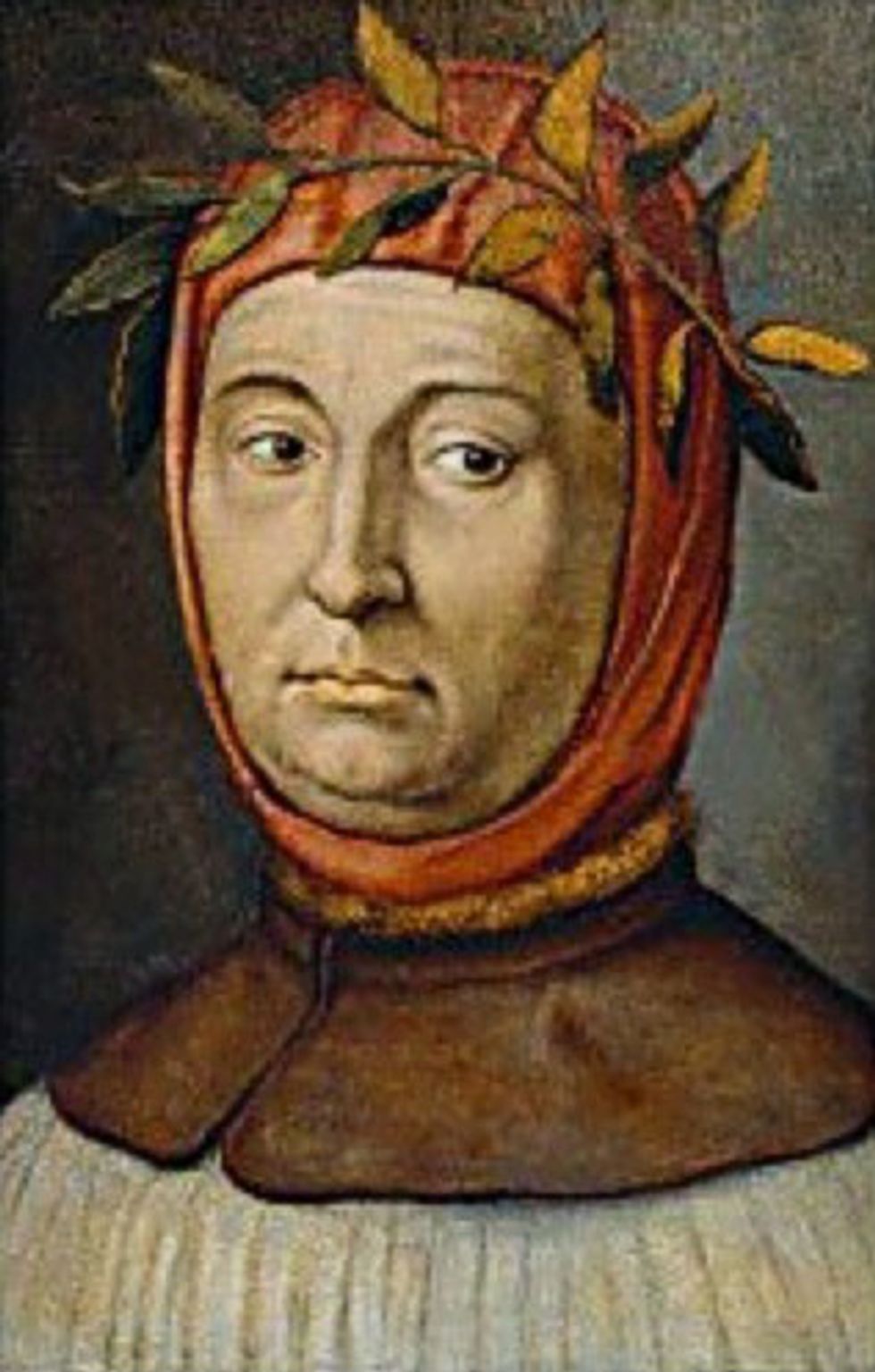
Petrarch will surface in many classes. He was responsible for the Petrarchan Sonnet, which is the form he wrote his sonnets in. His sonnets are about his greatest love, Laura. These sonnets are interesting to read. if you don't read them, then at least know something about them and who he is because he will come up in British Literature courses.
15. Walt Whitman
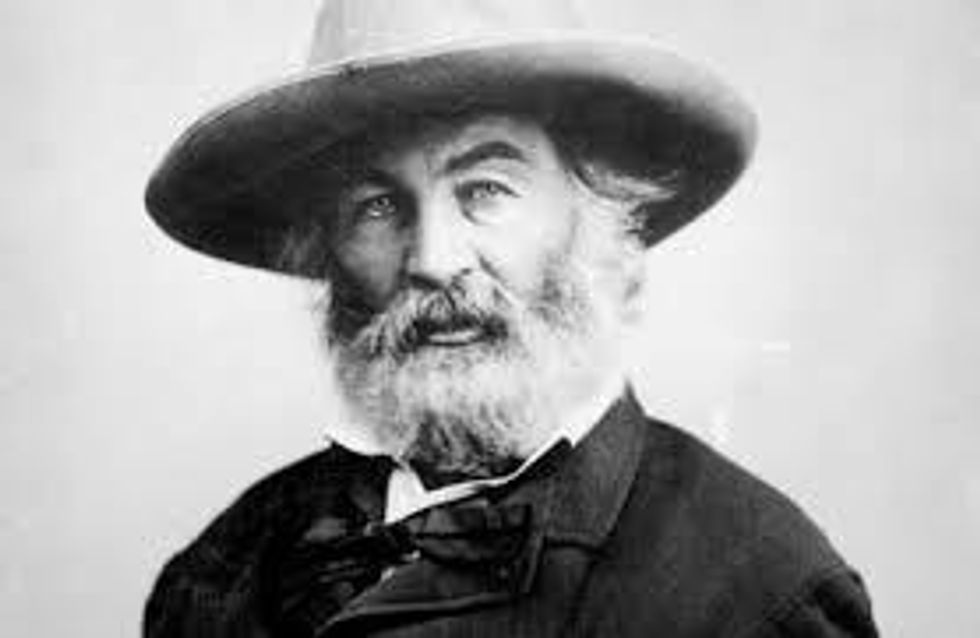
This man...is responsible for one of the LONGEST poems ever! Not really, but really. "Song of Myself" was a pain to read for two different classes last semester, but this poem was essential to understanding the meaning of being American. It was about 50 pages long in the anthology that was assigned for class. That's a lot pages for a poem. It might have been different if it had been an epic poem, but it was not. He talked about himself a lot, and it did not interest me at all. He will come up in American Lit classes, and there's no escaping "Song of Myself" unless your professor is merciful (mine were not).
16. Franz Kafka
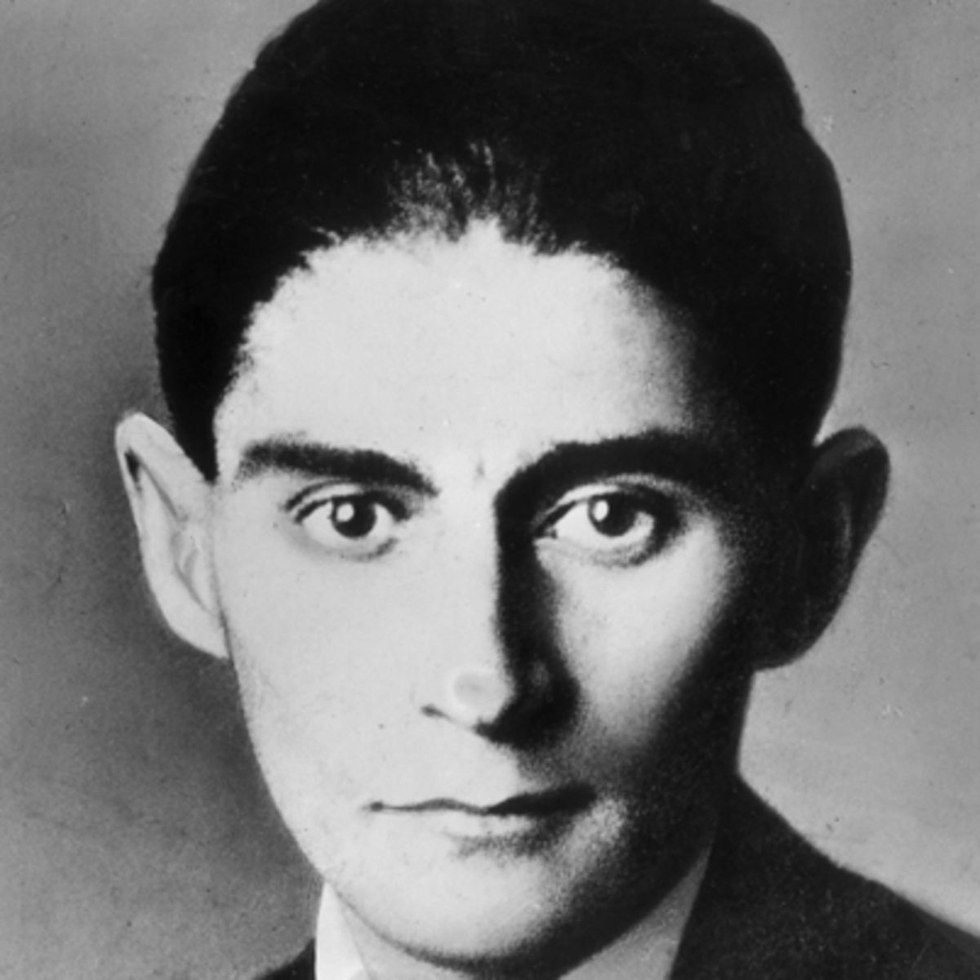
Kafka is a strange man. Metamorphosis is about a man physically turning into a cockroach. While I was not required to read this, there are other professors who assign it to their classes. I came across it while helping a student in the writing center on campus. This was a very strange tale.
17. Flannery O'Connor
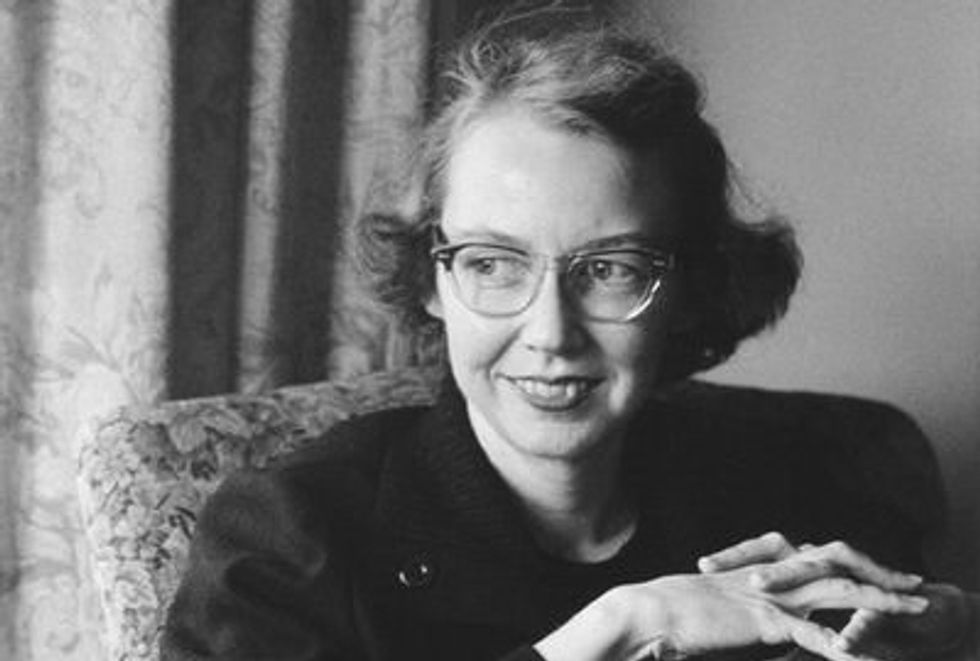
O'Connor has written many short stories that deal with religion in some aspect. "A Good Man is Hard to Find" is a very captivating and chilling story. I was required to read it for American Lit, but I know a lot of professors who teach O'Connor's works in their classes. I have heard good things about most of her works by students and professors alike. I suggest English majors get acquainted with Flannery O'Connor because she will not be going away any time soon.
















