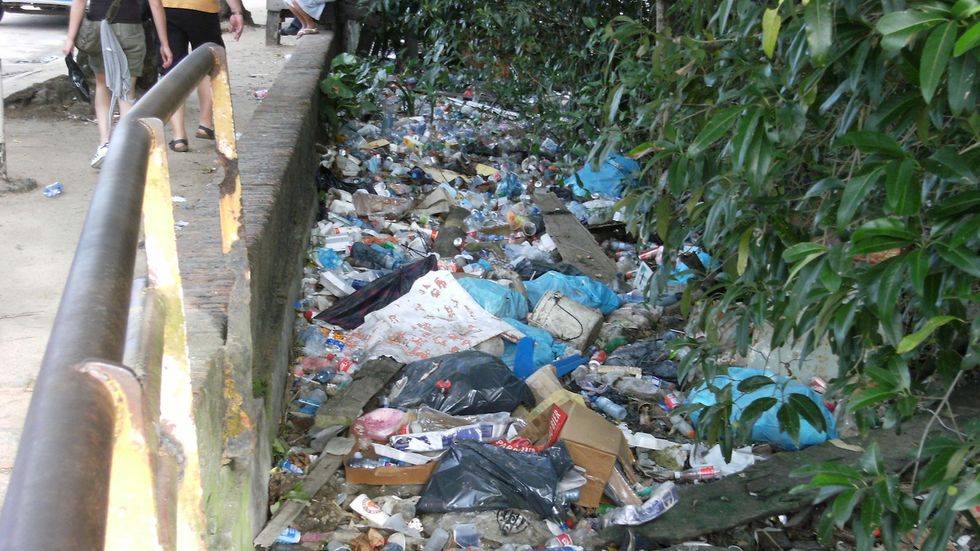
Plastic straws can end up lodged in the nasal canals of sea turtles, plastic bags fragment into the perfectly sized pieces for bids to snack on and those plastic soda rings can easily tie up a variety of wildlife. According to Ocean Crusaders, an organization working to educate youth about human plastic consumption and hazards, consumers worldwide use about 500 billion single-use plastic bags every year. That means that shoppers are using roughly one million single-use plastic bags a minute. They’ve also found that about 100,000 marine life dies as a result of being entangled in plastic debris, and that number only includes the dead animals who are found. By working together to change our unhealthy plastic habit, we have to power to prevent plastic from entering into ecosystems in the first place. Here are 15 ways you can help
1. BYOB: Bring Your Own Bag
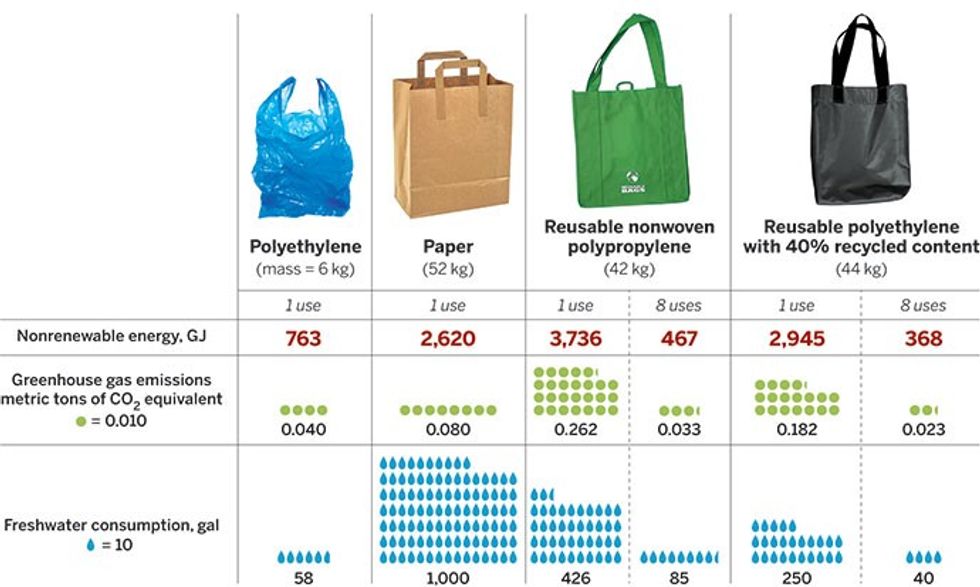
By switching to reusable bags you could save 22,000 plastic ones from ending up in landfills over your lifetime! Not to mention, reusable bags are stronger, come in different color options and you could even save some money just by using one, as some stores give discounts to people who bring their own bag!
2. Consider Cloth Towels Instead Of Paper Towel
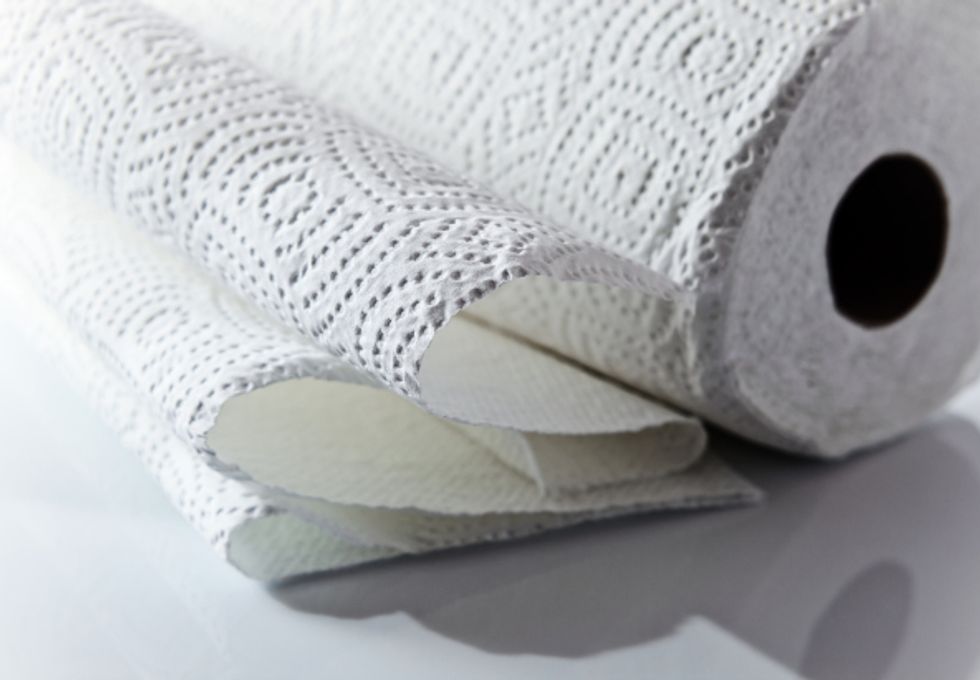
While paper towels can be recycled and composted, they don't always end up in those places. A whopping 50% of business-produced waste is made up of paper, with 25% of landfills and 33% of municipal waste also consisting of paper. By switching to cloth dish towels you can save money and reduce the amount of paper sent to landfills.
3. Switch To Glass Or Stainless Steel Reusable Containers
 By all means, if you have plastic reusable food containers use those until they break or get ruined before purchasing new containers (remember to recycle them). If you are in the market for some new tuberwear consider buying glass or stainless steel containers. Plastic containers could contain Bisphenol-A, or BPA, which is a substance that can contaminate foods and drinks. BPA can bind to hormone receptors and influence growth, cell repair, fetal development, energy levels and reproduction. To check if any of your plastic containers contain BPA look at the bottom of your containers for a little triangle with a number inside if the number reads a 3 or a 7 your container may contain BPA. Since discovering the adverse effects BPA can have on the body, some companies have switched to BPS (bisphenol-S) and BPF (bisphenol-F ), but some researchers believe that these can have similar effects that BPA has. With glass and stainless steel products, there's no need to fear possible BPA contamination.
4. Carry Around A Reusable Water Bottle Instead Of Buying A Single Use Plastic One
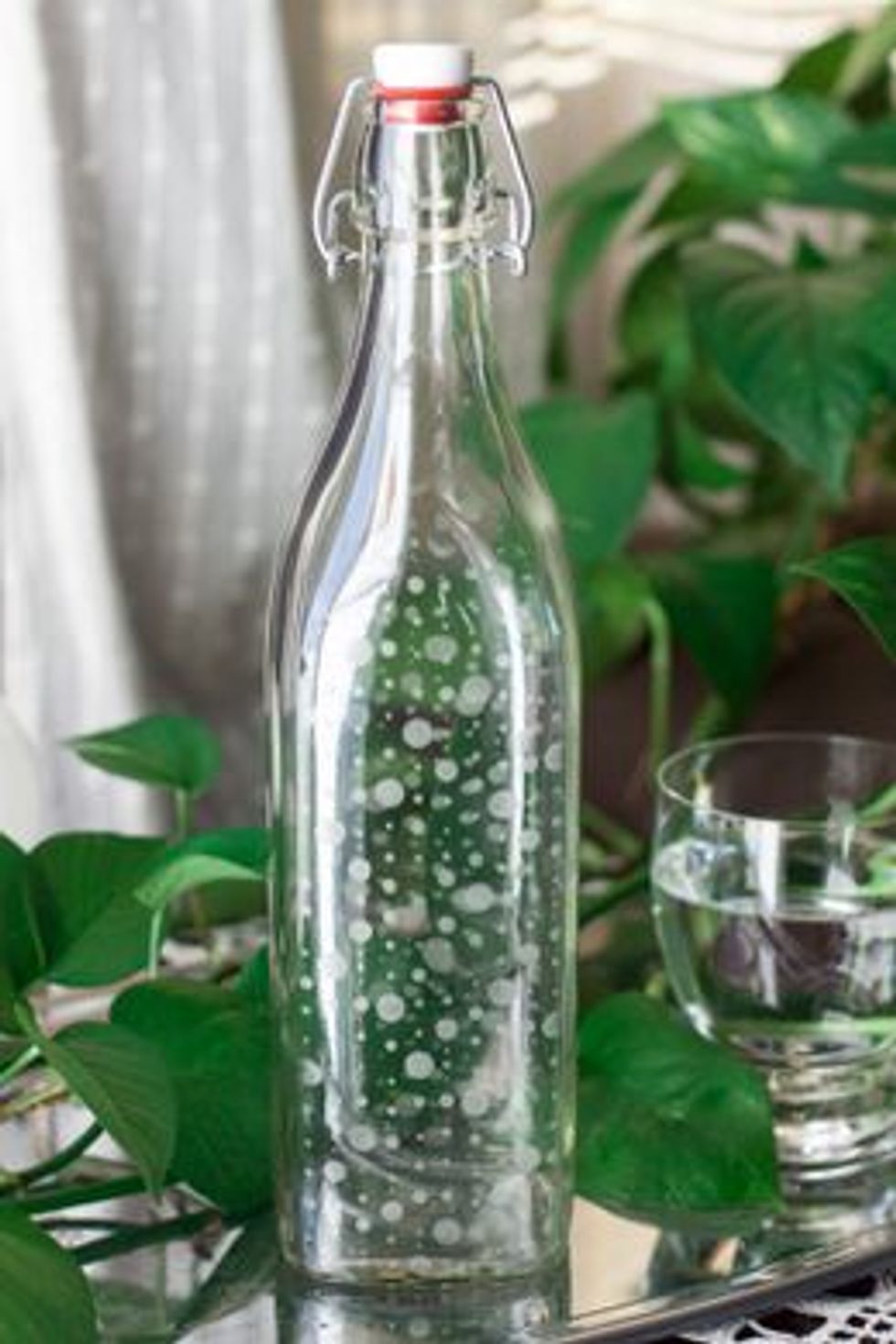
Did you know that only 1 in 5 plastic water bottles is recycled? Did you know that about 100 million plastic water bottles are used daily? I'm not so hot at math, but just by looking at those numbers I can tell that millions of single-use plastic beverage bottles are used every day, only to end up in landfills. If you were shocked by the first two statistics, think about this one: about 1,500 plastic bottles end up in landfills or oceans every SECOND.
5. Next Time You Need A New Tooth Brush Buy One Made Of Bamboo
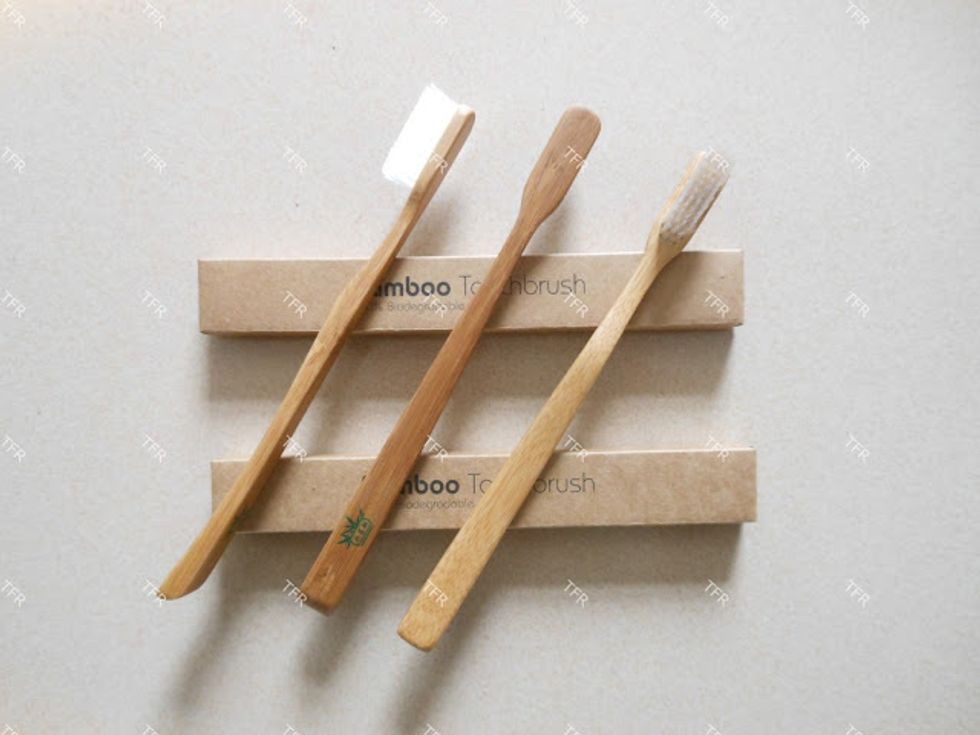 Dentists recommend replacing your toothbrush every 3-4 months. If you follow this rule you're throwing out 3-4 toothbrushes a year, that's around 200 in a single person's lifetime! Bamboo is a giant grass with quick sprouting abilities, making it a great resource that can be easily replaced. The great thing about using it as a toothbrush is that it's biodegradable and most are also compostable!
6. Switch To Bar Soap Or Buy Liquid Soap In Bulk
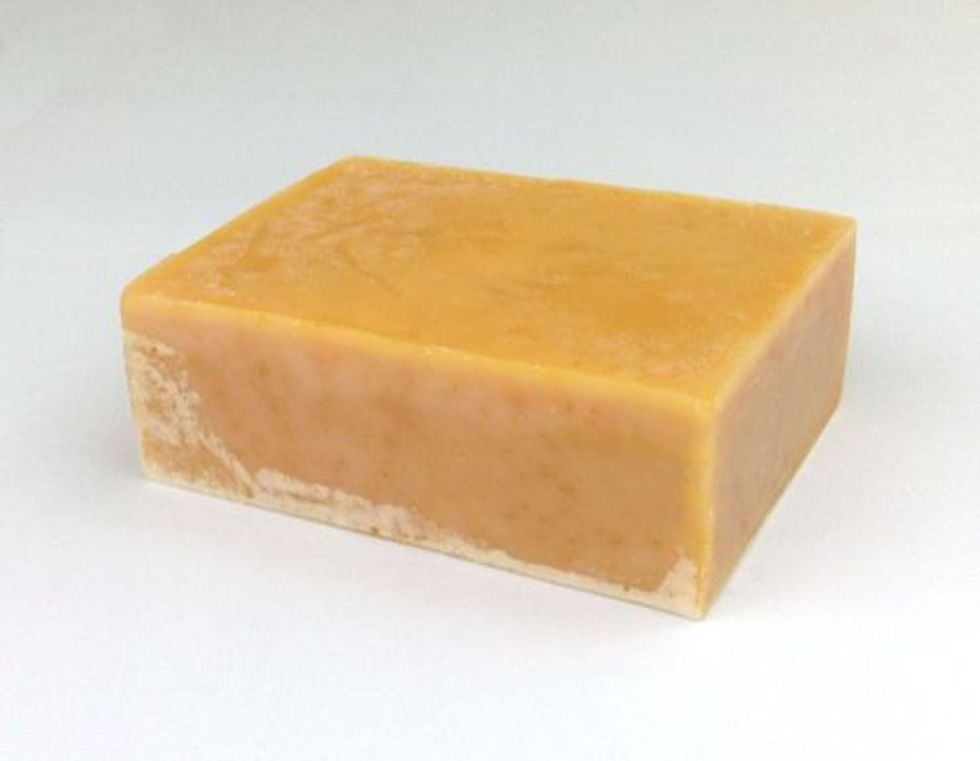 Liquid soaps come in single-use hand dispensers or very large bottles made from plastic which, as we've learned, is extremely bountiful in the world already. You can find bar soaps to purchase in cardboard boxes (recyclable), or even at farmers markets or craft fairs with minimal packaging. Another alternative is buying a reusable soap dispenser or use a mason jar you already have and getting a simple soap dispenser top (I got mine on Amazon) and buy soap from stores in bulk, meaning that instead of buying tubs of soap, you bring your own container from home and fill it up and pay by weight.
7. Compost, Compost, Compost
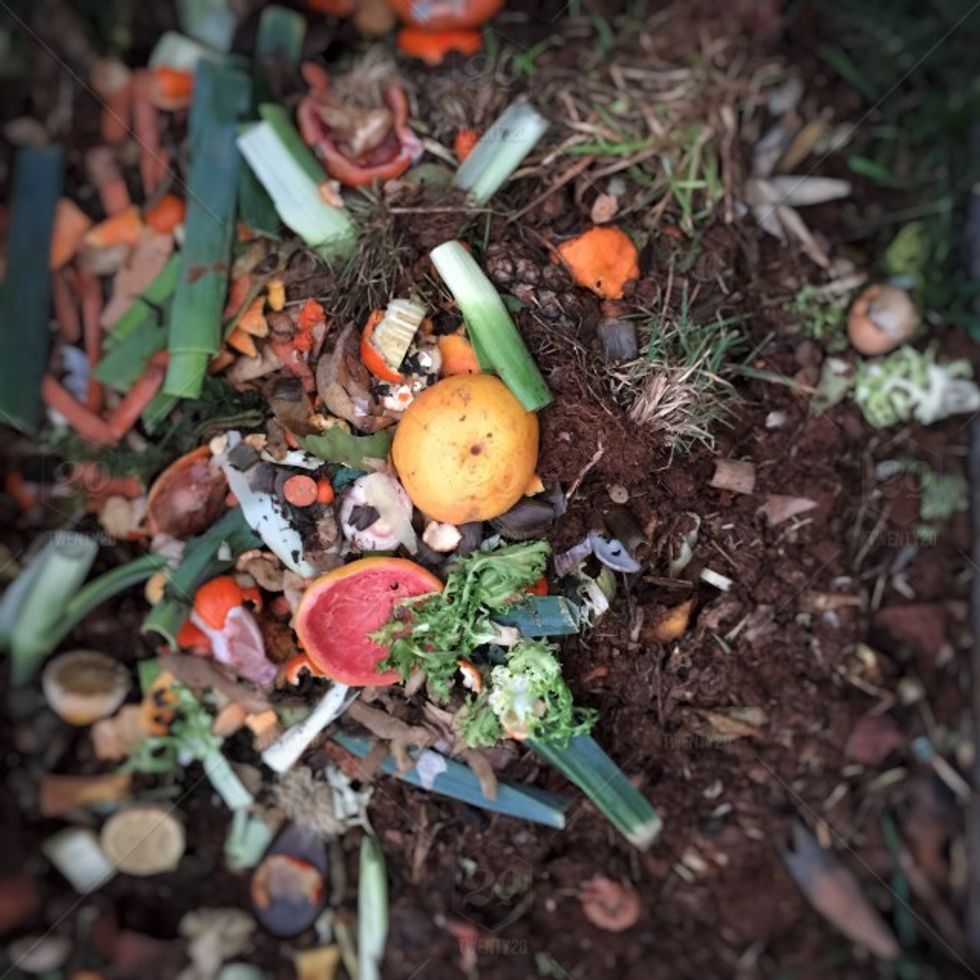 Composting is a great way to biodegrade your own food and prevent it from ending up in landfills, where it takes much, much longer for food to decompose because there is no airflow available to break down materials. Its easy and fun and can be done indoors or outdoors.
8. Bring Reusable Coffee Mugs/Insulated Water Bottles To Coffee Shops
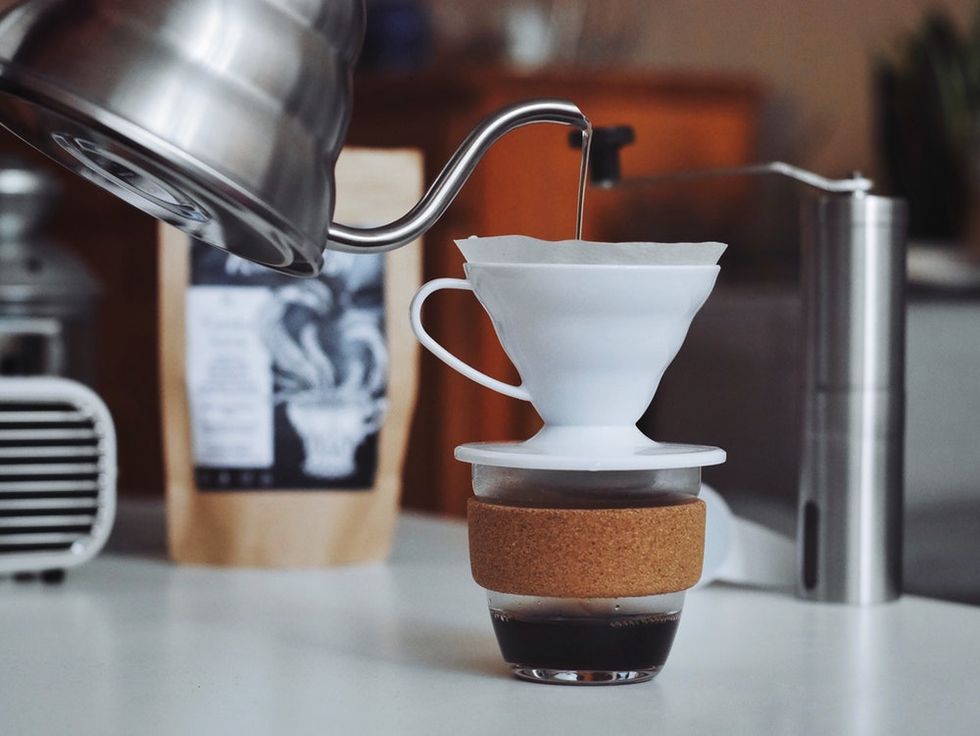 I absolutely LOVE chai lattes, and guess what I can keep enjoying them without contributing to landfills because I bring my own reusable mug wherever I go! As it turns out single-use coffee cups are NOT recyclable. They usually have a plastic coating on the interior and are contaminated by coffee, making them un-recyclable. Starbuck gives a discount to people who bring in reusable coffee cups so you can save money and make the world a better place just by bringing in your own mug.
9. Make Your Own Tooth Paste
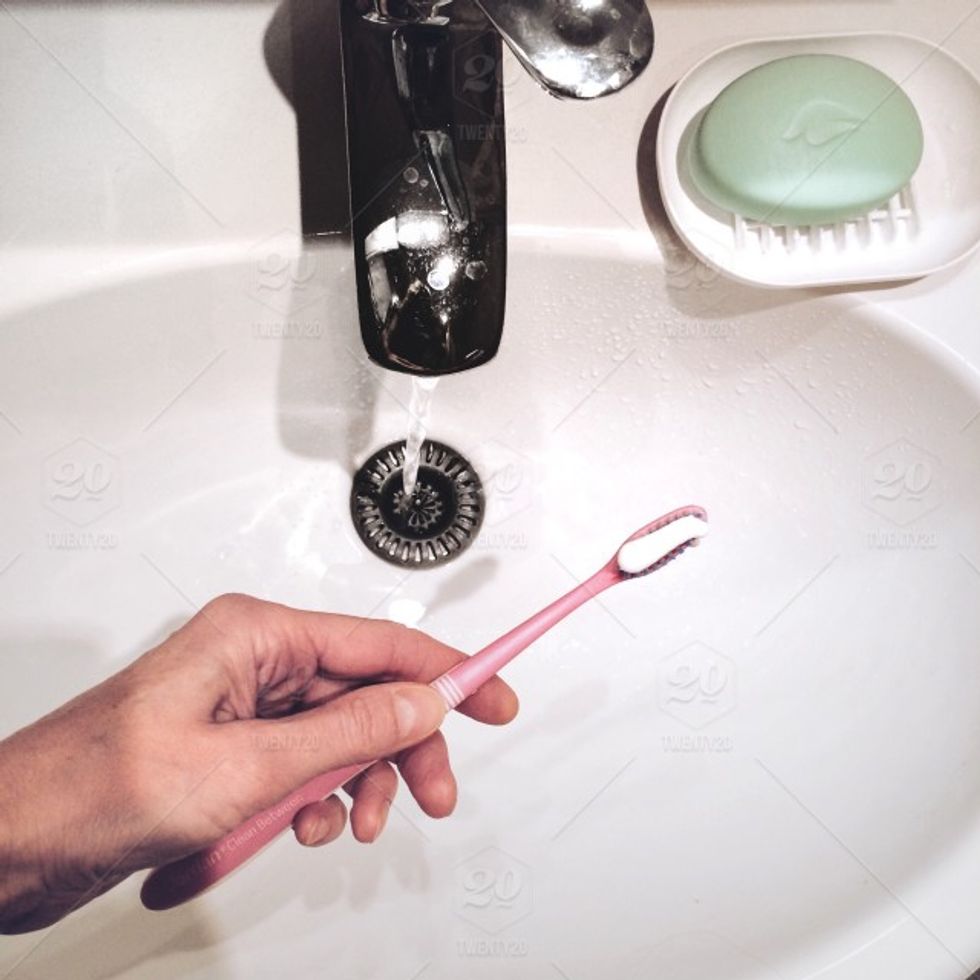 You can make your own toothpaste out of baking soda! Some toothpaste tubes can be recycled, but there are a whole lot out there that can't, why bother worrying about that when you can simply make your own! It saves you money and baking soda have whitening properties!
10. Use Beeswax Wrap Instead of Plastic Cling Wrap
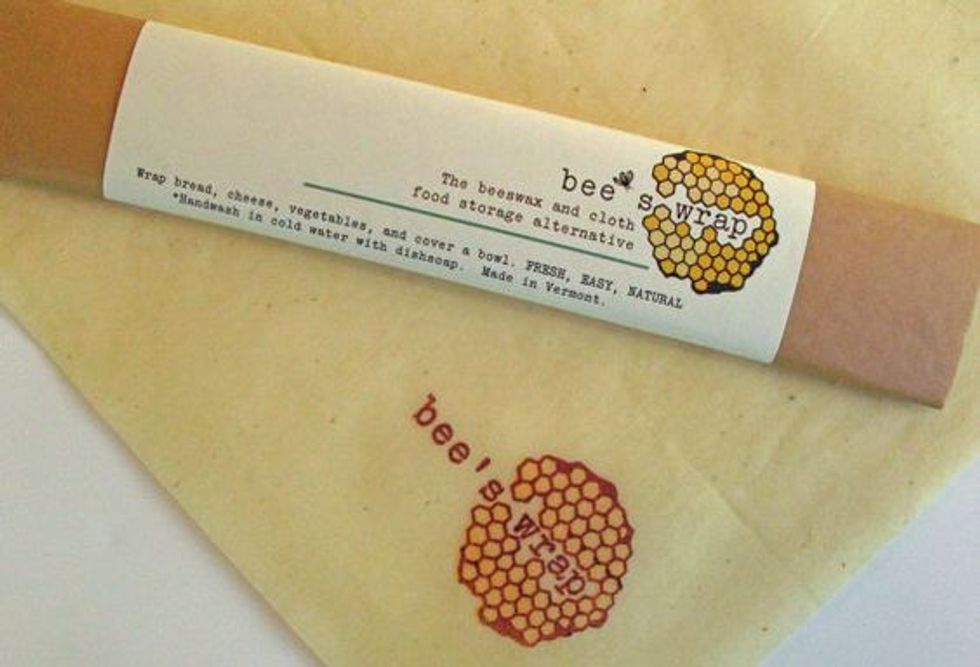
Plastic wrap isn't recyclable and is likely to end up in oceans or landfills, prevent this by using beeswax wrap instead! It's great for keeping food fresh and you can even make it yourself!
11. Purchase Reusable Straws Instead Of Using Plastic Straws
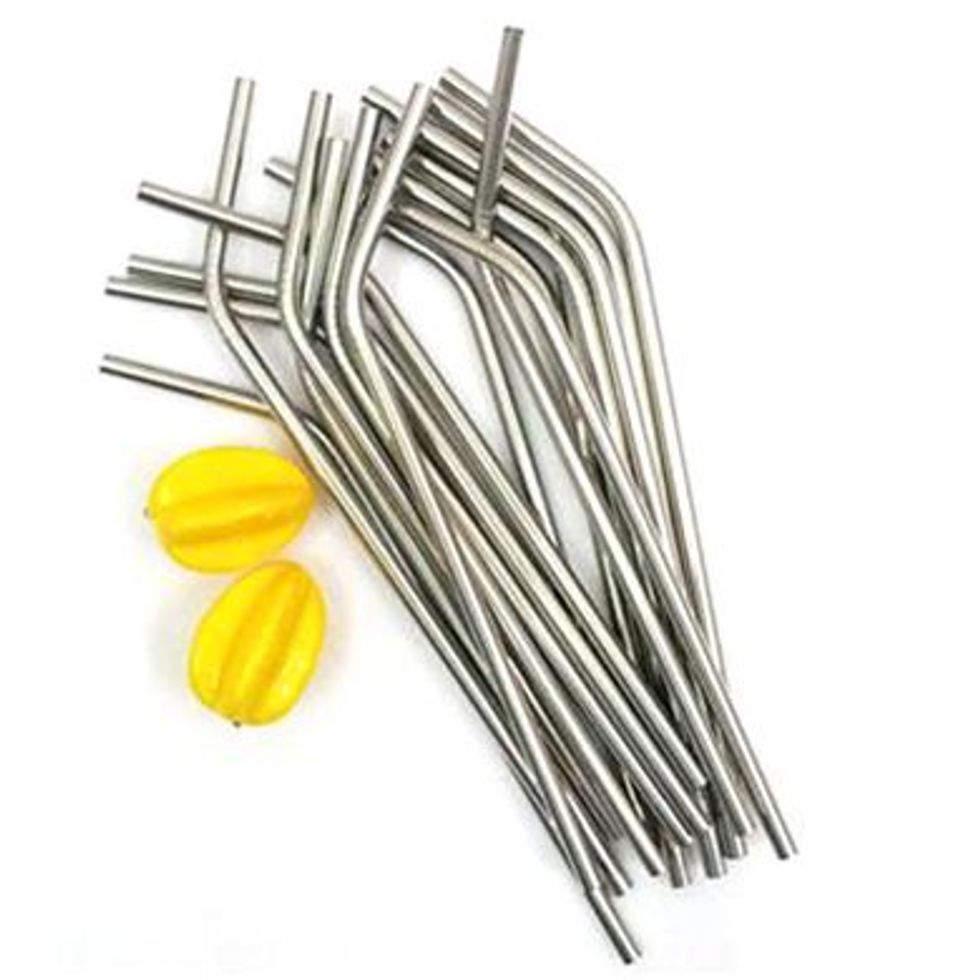
Americans use 500 MILLION plastic straws in a SINGLE day. That's enough straws to wrap around the Earth's circumference 2.5 times! If that doesn't concern you then I think you should do some more research on the matter because plastic straws are the 11th most common piece of garbage found in the ocean (ciggarette butts are first) and it can take 200 years for them to decompose, that is if they aren't in water.
12. Shop Second-Hand
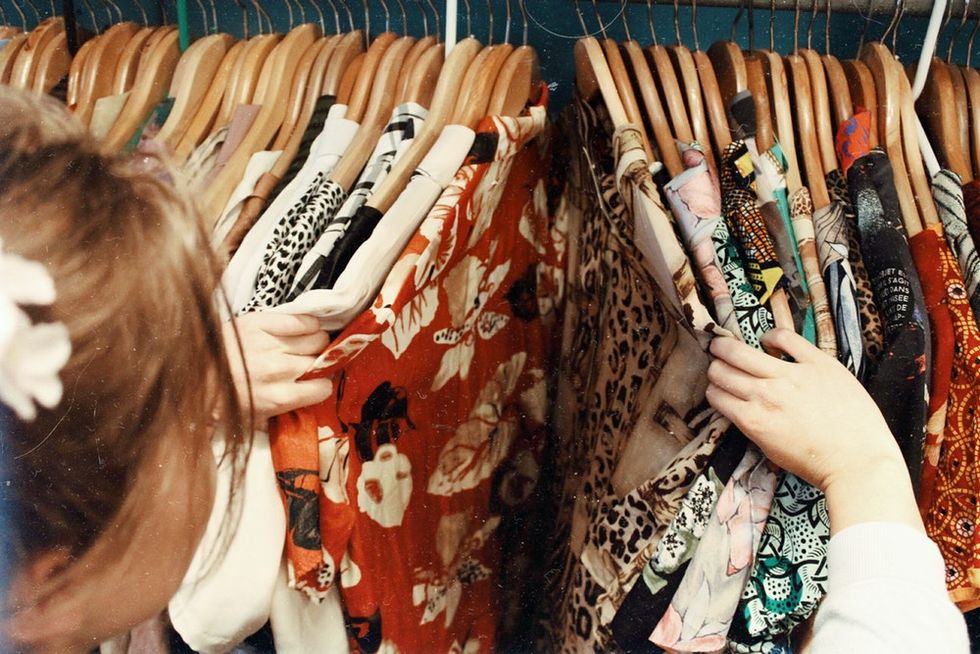
Not only are the clothes and items cheaper, shopping at thrift stores is good for the environment. It cuts manufacturing demands and saves water, as it takes about 900-15,000 gallons of water to grow the cotton needed for a single pair of jeans. The U.S sells about 450 million pairs of jeans each year, that means it takes more than 450 billion gallons of water to produce them (and that's just jeans, a single shirt needs about 250 gallons of water to produce). That's enough water to flood the state of Delewear in a foot of water!
13. Make Your Own Shampoo And Conditioner
 There are lots of amazing recipes for shampoo and conditioner online these days. I make mine by mixing equal parts baking soda and water for shampoo and mixing equal parts apple cider vinegar and water together for conditioner. The mixtures I make contain no sulfates and leaves my hair silky smooth. Making DIY shampoo can also save you money and you aren’t constantly purchasing plastic shampoo and conditioner bottles that could end up floating in the ocean or clogging up a landfill.
14. Up-Cycle Your Old Clothes Or Donate Them
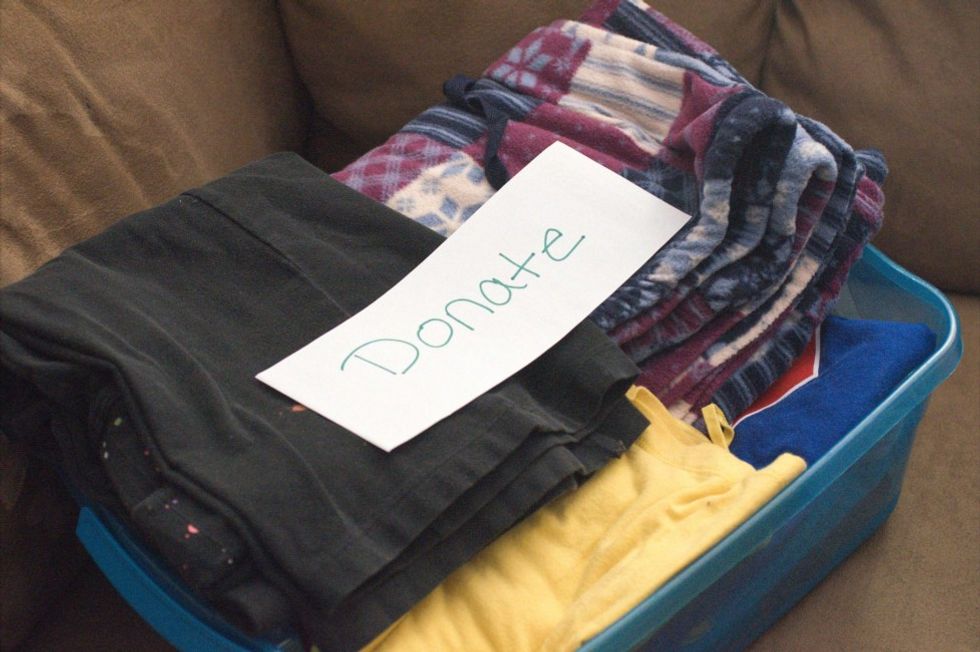
Got an old shirt laying around? Cut it up into rags for cleaning up spills (instead of using paper towels), or make a DIY grocery bag, or donate it to Goodwill or St. Vincent De Paul so somebody in need can find it. When individuals throw away clothing it's also likely to end up in a landfill or in oceans. A whopping 85% of shoreline debris worldwide is made up of synthetic fibers from cloth. It's not that hard to pack up a box of old clothes and drop it off at St. Vinnies on your way to work or the grocery store.
15. Repair Items That Break Before Buying A New One
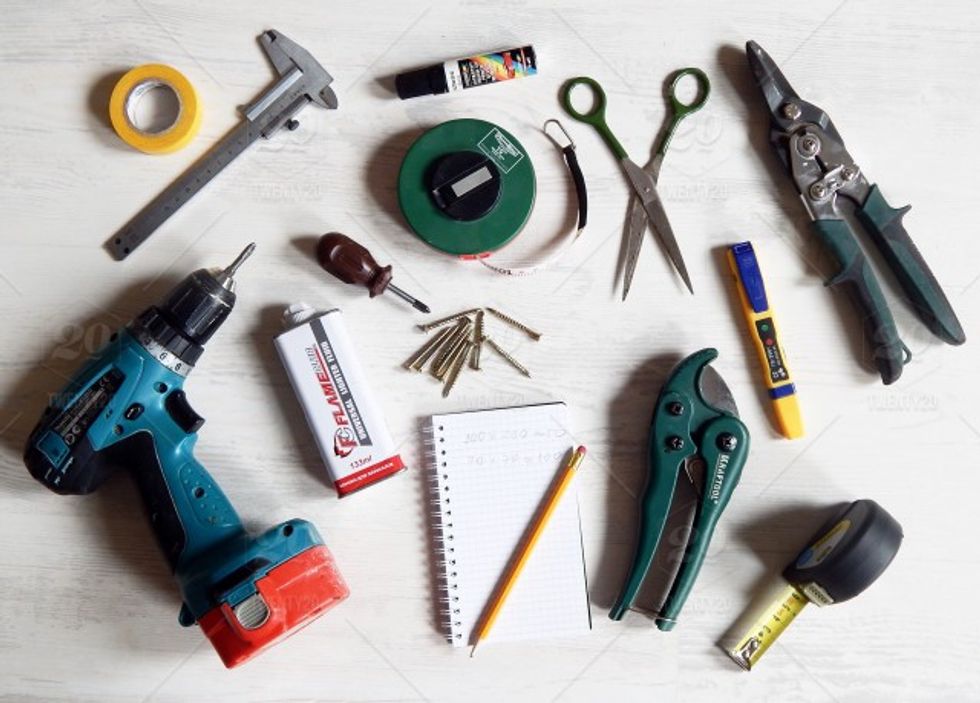 A lot of water and non-renewable resources go into making many of the products we see on store shelves, instead of being used to make items for us that energy could be used to heat or cool homes. Instead of impulse buying things that you don't need, take the time to fix household appliances that break and wear out. This could also save you money. Rather than buying a whole new appliance, replacing a single part is likely to cost much less.