The camera zooms in on a single snapshot of a softly smiling brunette taped to a locker. As we pan out, the picture’s revealed to be a part of a larger collage: a shrine, memorializing the recent suicide of a 17-year-old named Hannah. Two teens pass by, pausing briefly to snap a selfie in front of the display. While adding the hashtag #NeverForget to their mournful Instagram post, one girl remarks, “It’s such a shame. She was so pretty.”
She was pretty. And now she’s dead. These are the first things the audience of "13 Reasons Why" learns about Hannah Baker. And for many viewers who’ve grown familiar with the tale of a beautiful, suicidal young woman from works like Sylvia Plath’s "The Bell Jar" or the recent UK series "Skins", this is where they would expect Hannah’s role in the story to end--another casualty whose youth is forever immortalized by the photos taped to her high school locker and her own beautiful corpse.
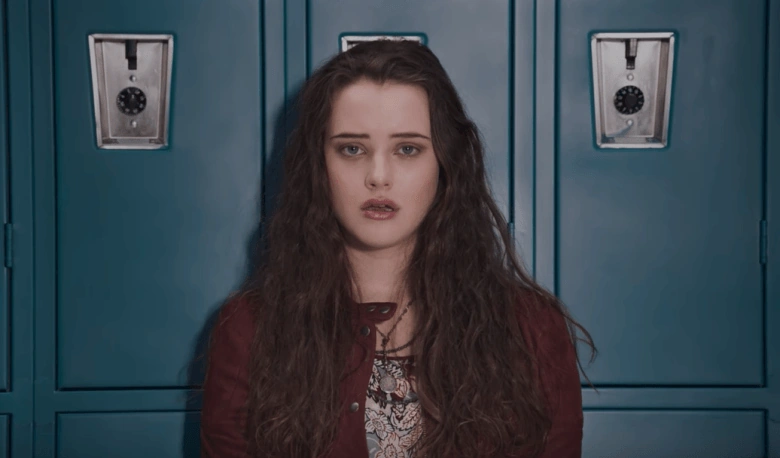
As her parents collect her belongings, Hannah’s mother becomes hysterically distraught, demanding the principal tell her why her daughter’s locker “didn’t have any stickers” because she’s desperate for any sign representing Hannah’s own interests and individuality. Unfortunately behind the doors of the glittery photo spread she frustratingly finds only bare, metal walls. The focus on Hannah’s empty locker represents a larger issue the show wants to confront: the way that the media constantly aestheticizes images of female depression while ignoring the gruesome reality behind what drives someone to take their own life.
"13 Reasons Why", Netflix’s latest mini-series, based on Jay Asher’s 2007 young adult novel of the same name, dares to shatter that picture-perfect exterior, going where the genre often fears to tread to expose the unpleasant, often ugly truth about the real lives of women struggling with mental illness. Unlike the similar teen mystery show "Pretty Little Liars" whose opening credits feature images of a dead blonde girl getting her nails painted and lipstick applied while she lays inside her own coffin with a single finger pressed to her lips, "13 Reasons Why" doesn’t want to glamorize or muffle its victim. The show’s title sequence is composed entirely of Hannah’s narration against a black screen, removing all focus from her from her body and instead, telling its audience to pay attention to her voice.
For hundreds of years, society has been fascinated by the idea and the image of the young, lovely, suicidal girl all while deafly refusing to understand her as a unique person. From countless Pre-Raphaelite paintings of Shakespeare’s grief-stricken Ophelia floating down the river surrounded by flowers, to close-ups of Winona Ryder’s pale, thin fingers gracefully examining sleeping pills in "Girl, Interrupted", depictions of female mental illness tend to invoke an eerie sense of beauty, as if we are meant to be observing the scene from a safe, serene distance.
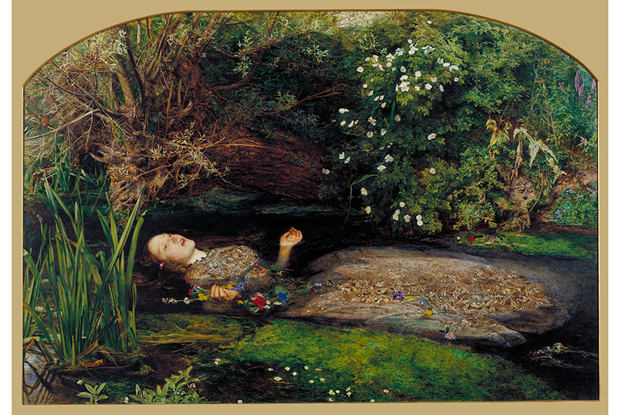
However, it’s important to remember that the public image of Ophelia’s own ethereal suicide does not come from Ophelia herself. The audience doesn’t see the moment when Ophelia dives into the river. We only learn of the event through Gertrude’s account when she describes Ophelia as “Mermaid-like” and someone who is “incapable of her own distress.” With Ophelia no longer able to speak for herself, it falls upon other characters to decide how her death is presented. Ultimately, our own culturally accepted notions of Ophelia as the embodiment of the fatally doomed ingénue are built not out of Ophelia’s own actions or soliloquies but out of the recreated memories and stylized interpretations of those around her.
"13 Reasons Why" defies this tradition of silent suffering by giving the ghost a voice. Hannah’s voice, in this case, comes in the form of 13 pre-recorded audiotapes narrated by Hannah (Katherine Langford) in order to explain the ways different people contributed to her decision to end her life.
For centuries, most fictional depictions of female suicide have followed in the “Ophelia model,” rarely allowing the dead girl to be the main character in their stories. No longer able to act or speak, they become a symbol of the tragedy and concerns of those around them, serving as a shallow reflection for the real (typically male) protagonist to gaze into as he attempts to discover the meaning of his own life.
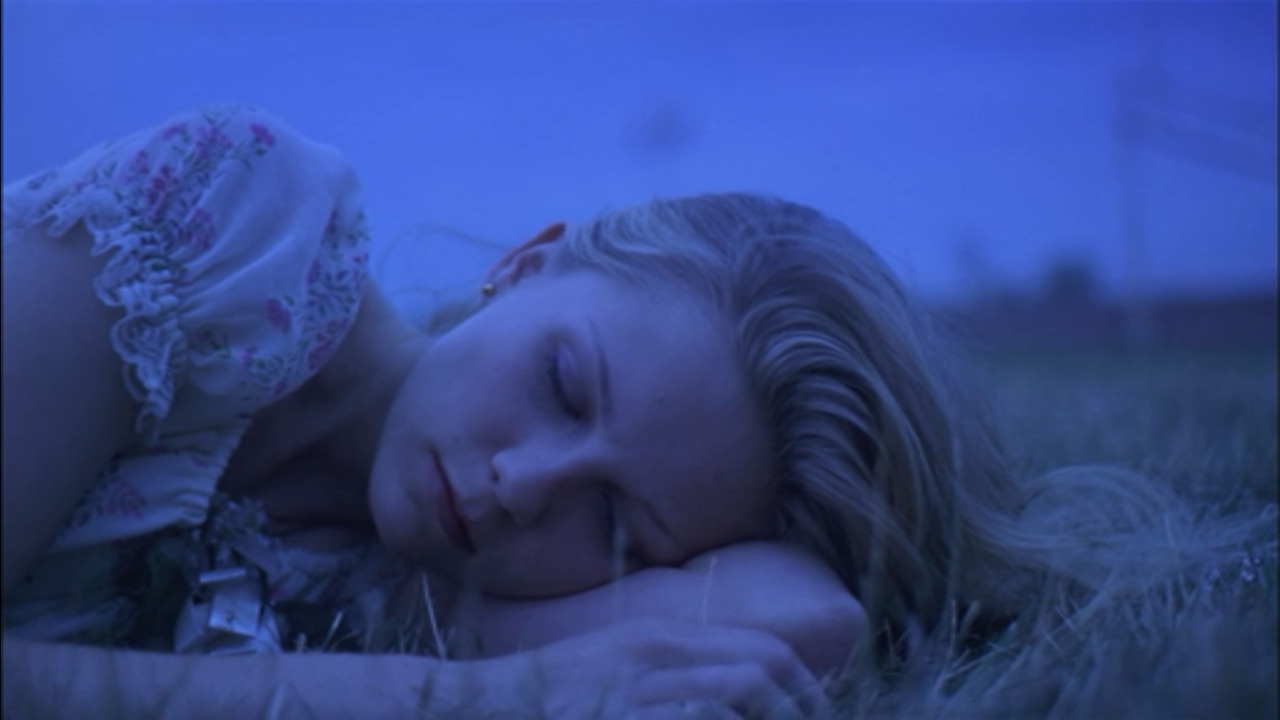
Miles from John Green’s hit young adult novel "Looking for Alaska", spends half the book searching through Alaska’s cryptic notes in order to determine the real cause of her car crash. In Sofia Copola’s "The Virgin Suicides", the Lisbon sisters’ deaths are filtered both through the hazy, romantic camera lens and through nostalgic accounts of a group of neighborhood boys who describe the suicides as a profound act of rebellion against suburban society.
Although "13 Reasons Why" follows the perspective of Clay Jensen (Dylan Minette), Hannah’s movie theater co-worker and long-time admirer, Hannah is still present in every scene, appearing either through flashbacks, her own recorded narration, or Clay’s imagined illusions of her ghost. Despite Clay’s lead billing, it’s clear that this is Hannah’s story and he is merely one among 13 others who she feels are somehow responsible for her pain.
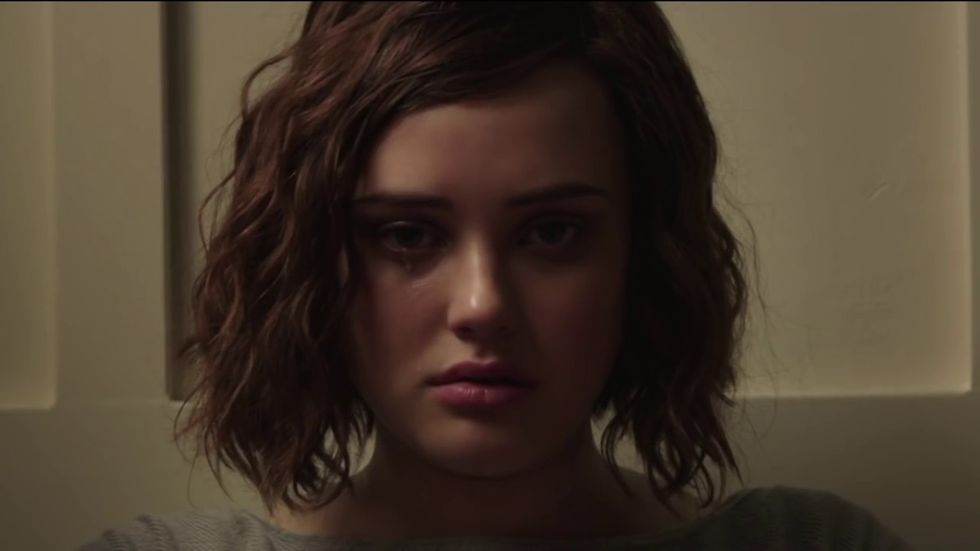
In a series focused on reevaluating surface-level impressions, it’s not surprising that, the first glimpse we get into Hannah and Clay’s relationship is one concerning Hannah’s appearance. During an English class where he’s asked to take a moment to think about Hannah’s loss, Clay briefly flashes back to an earlier time where he complimented Hannah on her new, shorter hairstyle, telling her, “ The change is good.”
The attention given to Hannah’s haircut is another way the show wants to defy the prototype of the beautiful, mad girl. It’s common for artists to present the image of “female craziness” through familiar, acceptable images of dishevelment. These women will often be shown with trails of black mascara streaming prettily beneath wide, vulnerable eyes or have let their hair grow long and unruly, as they can no longer care for themselves beneath the burden of their depression. Despite their fragile mental states, they are never allowed to be unattractive. Instead, their agony is itself sexualized into its own form of desirability. The attraction of men to these victims is perhaps due to the way the characters fulfill both the fantasy of the delicate damsel in distress and the tantalizingly deviant femme fatale.
When an attractive girl kills herself, not only does she become a source of guilt for the male hero by reminding him of all the ways he may have saved her, but her ghost also takes on a tempting aura of forbidden sin. Here is someone who deprived the world of the pleasure of her beauty by committing an act that society has deemed selfish and immoral.
Therefore, Hannah’s decision to cut her hair in the weeks leading up to her suicide shows how she, and the show’s Pulitzer Prize winning creator Brian Yorkey, intend to cast off these pre-conceived signs that she was unwell. Clay would never look at her from the outside and assume that she was suffering because she didn’t display any of the usual symptoms of feminine madness. So now Hannah feels it is her post-partum duty to speak up and clearly explain her intentions in order to prevent someone else from hijacking her pain to fit their own narrative.
And as Clay pops the first tape into his cassette player, he soon learns that Hannah was unfortunately far too familiar with the harsh ways that society seeks to turn young girls expressions of sexuality into scandals for public consumption. Through a narrated series of flashbacks, we discover that the first factor in Hannah’s demise was a cruel, prank based on yet another voyeuristic male fantasy.
The morning after what she perceived as the perfect fairytale style date at a playground with her long-time crush, Justin, Hannah is devastated to discover that Justin secretly snapped a photo up her skirt and used the image to convince his friends that they had sex. The silent flashback scenes showing Hannah learning of the betrayal and watching the rumor spread throughout the school depict her helplessly ignored. pushed into the background. Her word, she learns is meaningless in a world where men hold the power to decide the truth.
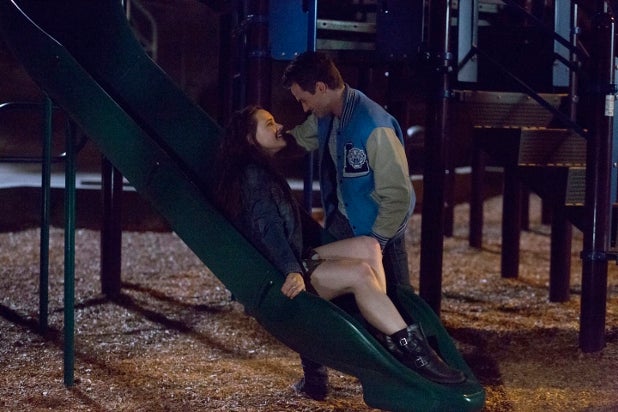
Hannah was not only violated by the image itself but also by having what should have been an intimate, personal moment turned into a source of public shame. When an older Hannah then names Justin on the recording as the first person responsible for why she killed herself she tells him that he “stole her memory of her first kiss.” The idea of a “stolen memory” serves as a powerful reminder of the importance of truth and representation.
Hannah was not only hurt by the taunts and embarrassments of the photos themselves, but by having what should have been a defining moment in her own story warped and repackaged as vicious gossip.
So while she may not have been able to change how others saw her while she was alive, at least she can dictate the way the world will understand her death. Using the recordings, she regains control over her own narrative by literally laying out the rules for how both Clay and the audience will learn her story.
Her demeanor on the tapes is firm and authoritative, telling listeners to
“Do what I say. Not more. Not less.”

Those instructions above all else represent the message that "13 Reasons Why"wants to give to its viewers. Here is a girl determined to provide the true, personal account in her own words. She will not have her voice stolen by a society that seeks to sensationalize her suicide and suffocate her beneath waves of misogyny until she can do nothing else but lie still and look pretty.